In the mining town of Mongbwalu, Democratic Republic of the Congo, a recent armed attack has severely disrupted healthcare services, leaving over 70% of residents in the Shune 2 area without access to mosquito nets and antimalarial drugs. The attack, which occurred last week, targeted community teams responsible for distributing these essential health supplies. As a result, the distribution of mosquito nets and antimalarial drugs has been suspended, exacerbating the vulnerability of the local population to malaria.
The attack on community teams has been widely condemned by local leaders. Hilaire Basiloko, the area chief, expressed his concerns about the situation, stating that the teams have faced repeated threats and attacks by armed groups. He appealed to local and health authorities to secure the area and allow the distribution of mosquito nets and antimalarial drugs to resume. The lack of these essential supplies puts the local population at risk of malaria, a major public health concern in the region.
The administration of the Mongbwalu health zone has confirmed the incident and acknowledged the security challenges faced by healthcare workers in the area. Doka Ngoyi, the communication officer, stated that the authorities are working to secure the area and find a solution to continue the distribution of mosquito nets and antimalarial drugs. He emphasized that the situation is being closely monitored and that efforts are being made to ensure that the local population receives the necessary healthcare supplies.
The situation in Mongbwalu is part of a broader humanitarian and health crisis in the Djugu territory. Thousands of people have been displaced due to ongoing insecurity, and access to healthcare services remains a significant challenge. The lack of mosquito nets and antimalarial drugs in Shune 2 is a stark reminder of the need for increased support to healthcare services in conflict-affected areas.
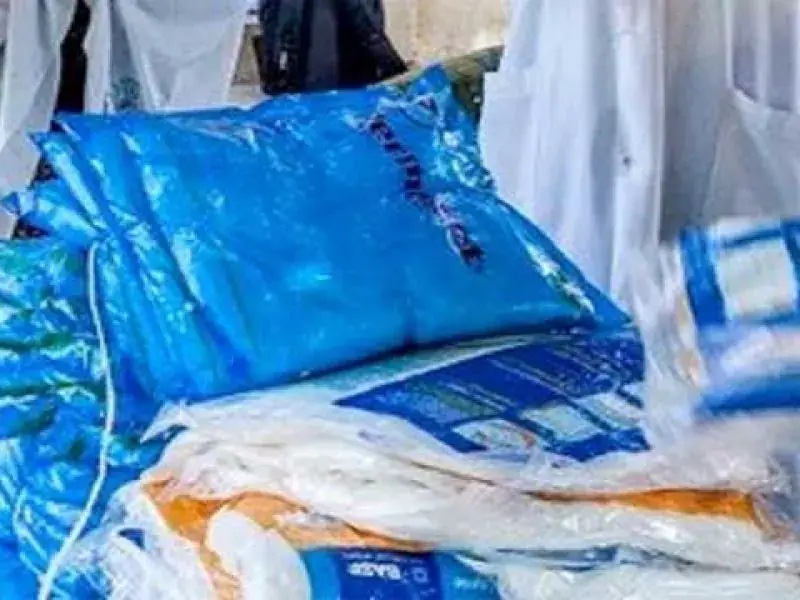
According to local reports, the armed attack on community teams resulted in the destruction of mosquito nets, antimalarial drugs, and mobile phones. The incident has raised concerns about the safety and security of healthcare workers in the region. Efforts to address the situation are underway, with local authorities and health officials working together to find a solution.
The impact of the attack on community teams is being felt across the region. With over 70% of residents in Shune 2 lacking access to mosquito nets and antimalarial drugs, the risk of malaria and other diseases is significantly increased. Local leaders and health officials are calling for urgent support to address the situation and ensure that the local population receives the necessary healthcare supplies.
The situation in Mongbwalu highlights the need for increased investment in healthcare services in conflict-affected areas. The distribution of mosquito nets and antimalarial drugs is a critical component of malaria prevention and control. Efforts to address the situation and ensure that the local population receives the necessary healthcare supplies are ongoing, with local authorities and health officials working together to find a solution.
Key points
- Over 70% of residents in Shune 2 lack access to mosquito nets and antimalarial drugs following an armed attack on community teams.