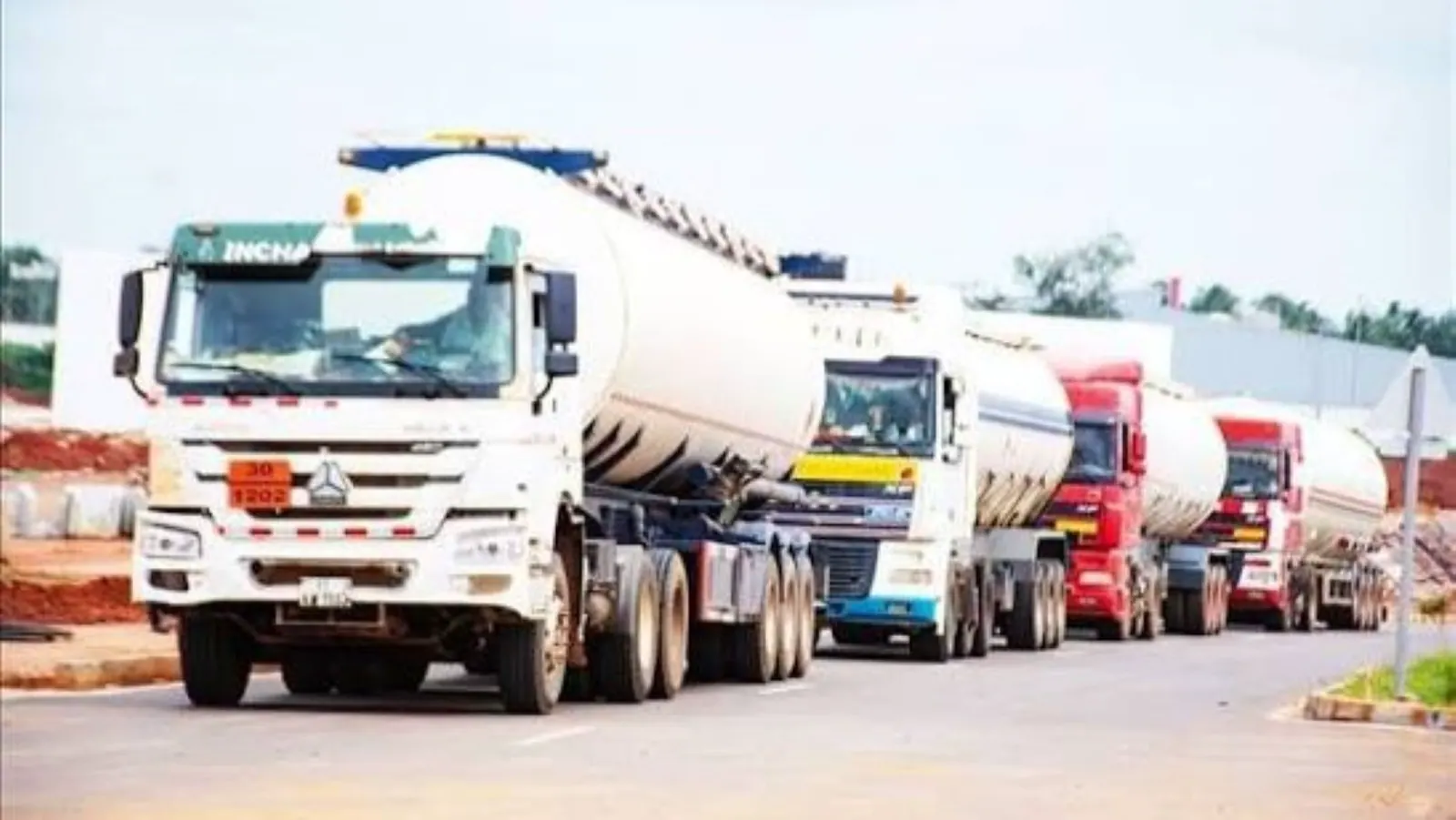
In the early hours of Saturday, October 3, 2026, a large convoy of fuel tanker trucks entered Bamako, the capital of Mali, under the protection of the Malian Armed Forces (FAMa). The trucks, totaling over 643, had traveled through the night, escorted by FAMa elements who ensured their safe passage. This development marks a significant step in the supply chain of petroleum products to the capital city.
The convoy's journey was a coordinated effort, with various state services working together to facilitate the transportation of fuel. The FAMa provided security for the trucks as they traversed the distance to Bamako. Upon arrival, other government agencies, including the Customs, the General Directorate of Commerce, Consumption, and Competition (DGCC), and the National Police, took over to oversee the handling and distribution of the petroleum products.
The arrival of the fuel tanker trucks is a critical milestone in ensuring the continued supply of petroleum products to Bamako. However, it is not the end of the process, as further handling and distribution are required. The involvement of multiple government agencies highlights the collective effort to maintain a stable supply chain. These agencies work together to guarantee the smooth transportation of products to their final destinations, including depots and service stations.
The successful delivery of the fuel tanker trucks to Bamako underscores the importance of collaboration among different government entities. The FAMa's role in escorting the convoy was crucial in preventing potential disruptions or security threats. By working together, the authorities can ensure that essential goods, such as fuel, reach the population without interruption.
Behind the scenes of this large-scale operation is a significant human and logistical effort. Military personnel, customs officers, and representatives from the DGCC and National Police are all involved in making sure that products reach their intended destinations. Their work, often unseen by the general public, is vital to maintaining the supply chain.
The entry of the convoy into Bamako highlights the dedication of those who contribute to keeping the fuel supply chain operational. From securing the route to the final delivery of products, various stakeholders are engaged in this complex process. Their efforts, both day and night, are essential in ensuring that fuel is available to the public.
As the situation continues to unfold, the authorities remain committed to maintaining a stable supply of petroleum products to Bamako. The coordinated effort among government agencies demonstrates a shared commitment to ensuring that essential goods reach the population.
Key points
- Over 643 fuel tanker trucks arrived in Bamako under FAMa escort.
- Multiple government agencies are involved in the supply chain.
- The operation highlights collaboration among authorities to maintain a stable fuel supply.