The United Nations Office for the Coordination of Humanitarian Affairs (OCHA) reported that over 5,000 individuals entered Ibba County in Western Equatoria state, South Sudan, from the Democratic Republic of Congo (DRC) between July and mid-October. According to the International Organization for Migration (IOM), nearly 380 of these arrivals are Congolese nationals, while the remainder are South Sudanese who had sought refuge in the DRC and are now returning home.
A recent visit by OCHA and its partners to Nabanga Payam in Ibba County revealed that the most recent arrivals are in urgent need of essential supplies, including medicines, nutritional support, food, kitchen utensils, sleeping mats, blankets, and dignity kits for women and adolescent girls. The agencies also emphasized the need for an Ebola isolation centre to be made operational in order to strengthen screening and disease surveillance at the Nabanga border crossing.
The ongoing Ebola transmission in the DRC poses a significant risk of the disease spreading into South Sudan through cross-border movements, OCHA warned. In response to this risk, South Sudan's Ministry of Health, National Public Health Institute, and UN partners recently conducted a simulation exercise in Juba and in Yei and Yambio counties to test the country's capacity to prevent, detect, and respond to suspected Ebola cases.
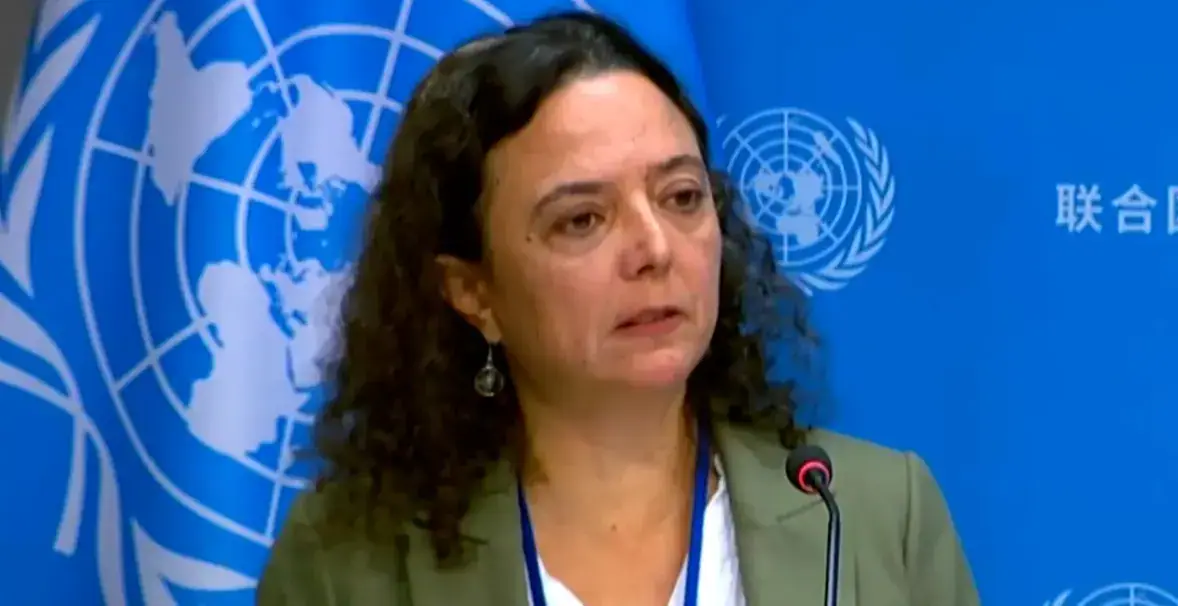
The UN Associate Spokesperson, Daniela Gross de Almeida, reported that the United Nations Mission in South Sudan (UNMISS) is concerned about escalating violence in Tonj North and Tonj East counties in Warrap state. An armed attack on Akop Payam occurred early on Tuesday, following clashes on October 26 that resulted in 72 deaths and 38 injuries, amid a cycle of retaliatory violence.
UNMISS has deployed a six-day patrol in the area to help contain the violence and prevent further attacks. Peacekeepers based in Warrap town are conducting patrols towards affected communities in coordination with local authorities. The mission is also engaging state and county authorities to help de-escalate the situation and promote peace.
The situation in South Sudan is becoming increasingly complex, with the Ebola outbreak and rising violence posing significant challenges to the country's stability and security. The UN and its partners are working to address these challenges and provide support to those affected by the crisis.
The UN continues to monitor the situation and provide humanitarian assistance to those in need. The organization's efforts aim to mitigate the impact of the Ebola outbreak and the violence, and to promote peace and stability in South Sudan.
Key points
- Over 5,000 people have crossed into South Sudan from DR Congo, fleeing an Ebola outbreak.
- The UN is concerned about escalating violence in Tonj North and Tonj East counties in Warrap state.
- The Ebola outbreak in DR Congo poses a significant risk of transmission to South Sudan through cross-border movements.