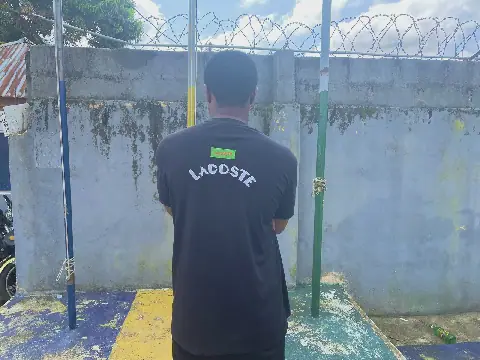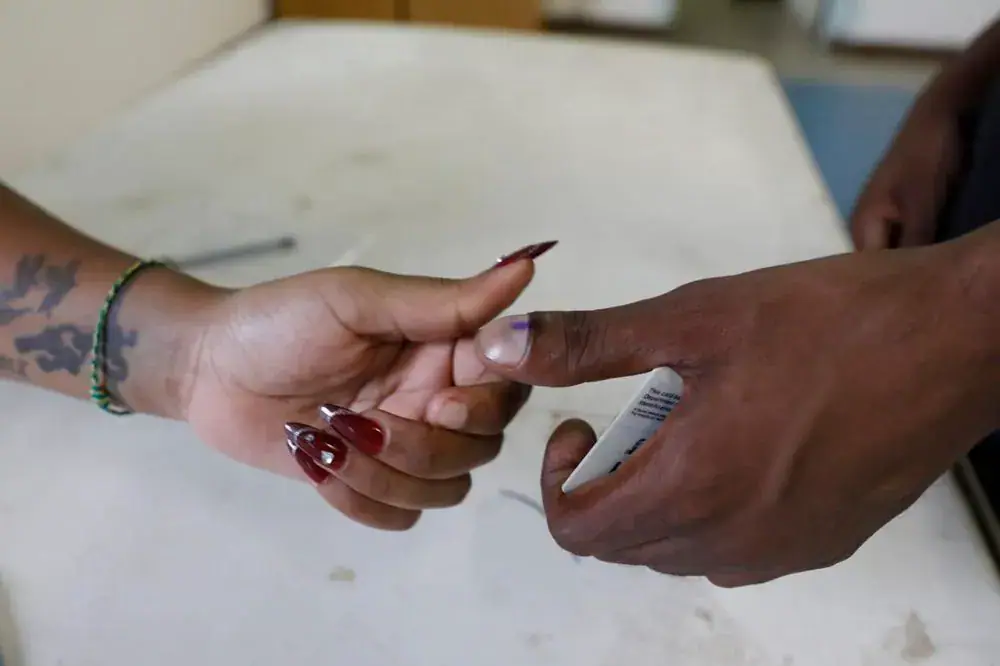
The Electoral Commission of South Africa (IEC) reported that approximately 3.5 million South Africans had cast their ballots by 10am in the 2026 local government elections. Deputy Chief Electoral Officer for Electoral Operations Masego Sheburi stated that 98% of the country's 23,996 voting stations had opened by the scheduled time of 7am, with all stations operational by 9am. A few stations experienced delays due to localized protests and access challenges caused by adverse weather conditions.
Gauteng recorded the highest early voter turnout, with 895,000 voters, followed by KwaZulu-Natal with 623,000, and the Western Cape with 461,000. The Eastern Cape recorded 431,000 voters, Limpopo with 366,000, Mpumalanga with 252,000, North West with 204,000, the Free State with 195,000, and the Northern Cape with 93,000. The IEC attributed the strong early participation to the introduction of handheld barcode scanners connected to voter management devices.
The IEC is investigating the theft of unused ballots and a voting stamp from a polling station in Ward 2 in eThekwini. Sheburi confirmed that measures had been implemented to identify the stolen ballots should they surface. A case has been opened with the South African Police Service (SAPS), and the electoral staff members responsible for the station have been relieved of their duties.
Voters in most local municipalities will receive three ballot papers: grey for ward councillors, green for local proportional representation (PR) candidates, and yellow for electing political party representatives to the district municipality. In metropolitan municipalities, voters will receive two ballots: one for ward representation and another for the proportional representation component.
The IEC reminded voters that visually impaired people can use Universal Ballot Templates to vote independently while maintaining the secrecy of their choices. Voters were also urged to make only one X against their preferred candidate or party, warning that additional marks could result in a spoilt ballot.
The IEC clarified that voters may wear political party regalia when casting their ballots, provided they do not engage in political activities at voting stations. However, party agents and candidates are prohibited from wearing party regalia within voting station boundaries. The commission acknowledged the support of various stakeholders in facilitating the electoral process.
Sheburi urged South Africans to use the remaining voting hours, saying "Get up, show up, and vote." The IEC will continue to monitor the voting process and address any challenges that may arise. The 2026 local government elections are a crucial event in South Africa's democratic calendar.
Key points
- Over 3.5 million South Africans cast ballots by 10am in the 2026 local government elections.
- The IEC is investigating the theft of unused ballots and a voting stamp from a polling station in eThekwini.
- Voters in most local municipalities will receive three ballot papers, while those in metropolitan municipalities will receive two ballots.