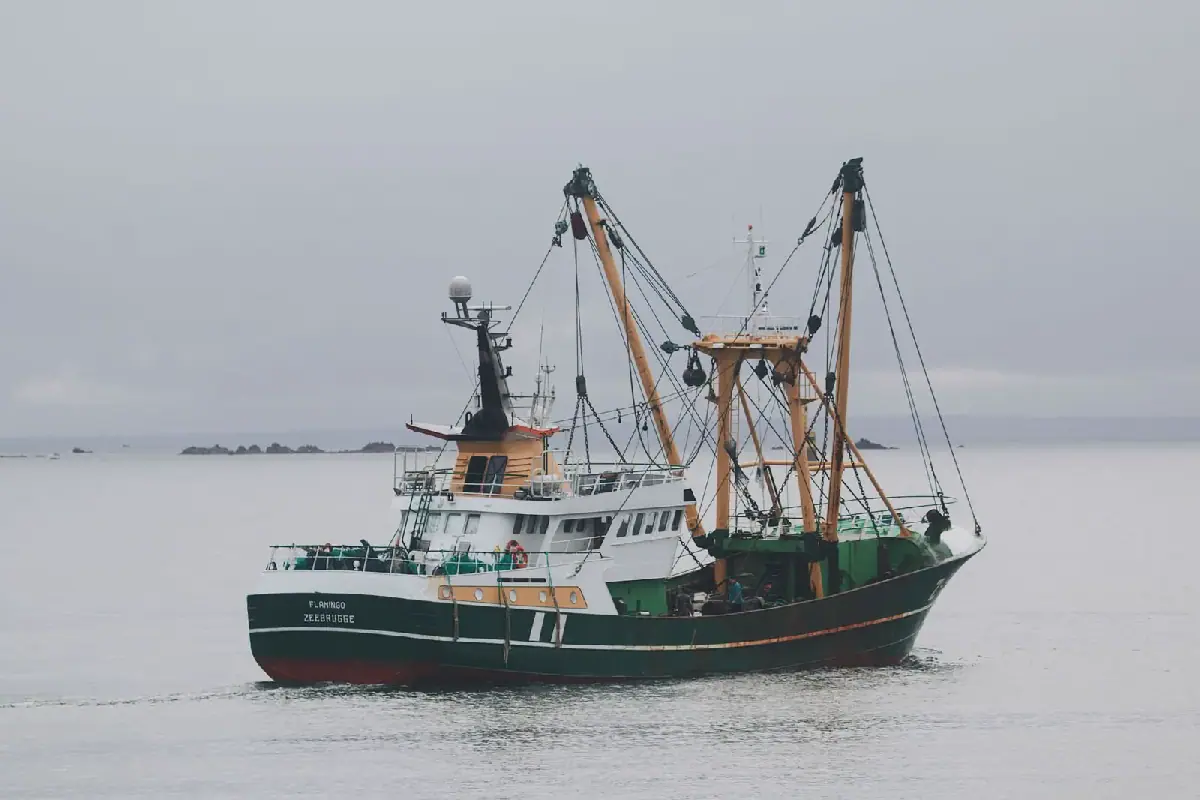
The Spanish fishing industry has expressed concerns over proposed fee increases for European vessels operating in Mauritanian waters. As negotiations for a new protocol near conclusion, industry representatives gathered in Madrid to discuss the potential impact on their operations. They argue that rising costs and taxes are unsustainable, with one industry representative stating that they are being "bled from all sides."
The current protocol, which expires in mid-November, allows European vessels to fish in Mauritanian waters with certain conditions. These include paying fees ranging from 75 to 140 euros per ton for surface fish and 80 euros per ton for tuna, plus an annual fee of up to 3,500 euros per vessel. The protocol also allocates 225,000 tons of surface fish and sets aside a portion of the catch for Mauritania's neediest communities.
The European Commission is pushing for increased fees to ensure the continuation of European fishing operations in Mauritanian waters. However, industry representatives argue that they are already shouldering significant financial burdens. The current protocol, signed in 2021, provided 57.5 million euros in revenue for Mauritania. The Spanish fishing industry is concerned that further fee increases could jeopardize their operations.
The Mauritanian fishing industry plays a significant role in the country's economy, and the European fleet's presence has been a crucial factor in the sector's development. However, with the current protocol set to expire, the two parties must reach an agreement to avoid disrupting the industry. The Spanish fishing industry has already faced challenges in recent years, including the loss of fishing grounds in Morocco, Senegal, and Gambia.
The Mauritanian government has not officially commented on the Spanish fishing industry's concerns. However, the country's fishing sector is a vital component of its economy, and the government is likely to seek a mutually beneficial agreement. The negotiations are taking place as Mauritania prepares to take on the presidency of the Arab Group at the United Nations.
A failure to reach an agreement could have significant consequences for the European fishing industry, which relies heavily on Mauritanian waters. The industry has already faced challenges in recent years, and a further increase in fees could make it difficult for some vessels to operate profitably. The European Commission is working to secure a new protocol that balances the interests of both parties.
The outcome of the negotiations will have a significant impact on the future of the European fishing industry in Mauritanian waters. With the current protocol set to expire, both parties must work together to reach a mutually beneficial agreement. The industry is watching closely as the negotiations near conclusion, with many hoping that a new protocol will be signed soon.
Key points
- European fishing fleet faces uncertain future as Mauritania-EU protocol nears expiration
- Spanish fishing industry expresses concerns over proposed fee increases
- Negotiations between Mauritania and EU near conclusion, with implications for European fishing industry