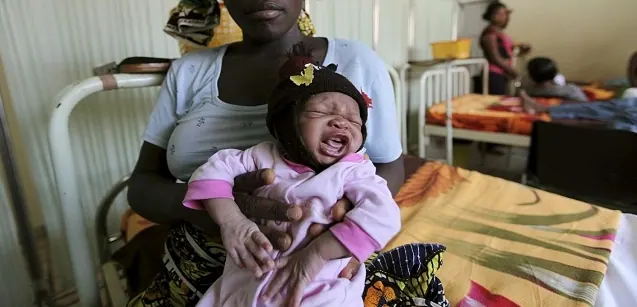
Kenya has successfully registered over 270,000 newborn babies within the first two months of rolling out its digital e-birth notification system nationwide. This marks a significant milestone in the country's civil registration and vital statistics reforms. The new digital framework links maternal hospitals, health clinics, and faith-based healthcare facilities directly to the Department of Civil Registration Services. This system aims to improve the efficiency and accuracy of birth registrations.
The e-birth system generates birth notifications electronically at the point of delivery in health institutions, eliminating the historical reliance on manual paper notifications. This change reduces delays, data entry errors, and administrative bottlenecks. Health facility administrators enter key details into a secure database accessible to civil registration officers, who then process the primary record for national identity indexing. This streamlined process enables parents to obtain official birth certificates for their newborns more quickly.
The rapid onboarding of over 270,000 infants demonstrates significant adoption by public and private health facilities nationwide. Registration authorities emphasize that early e-notification guarantees a child's legal identity right from birth and provides critical real-time data for the Ministry of Health and national planning bodies. This data will help optimize immunization programs, maternal care funding, and resource allocation across counties.
The e-birth system directly links health facilities to the Department of Civil Registration Services, enhancing the accuracy and efficiency of birth registrations. By capturing vital statistical data immediately after delivery, the system drastically reduces the turnaround time required for parents to obtain official birth certificates. This improvement is a significant step towards streamlining public service delivery in Kenya.
The introduction of the e-birth system is part of Kenya's efforts to improve its civil registration and vital statistics. The system has been designed to provide a secure and efficient way of registering births, reducing the risk of errors and delays. With over 270,000 newborns already registered, the system is expected to have a positive impact on the country's vital statistics and public service delivery.
The e-birth system is also expected to improve the Ministry of Health's ability to plan and allocate resources. By providing real-time data on births, the system will enable the ministry to optimize immunization programs, maternal care funding, and resource allocation across counties. This will help improve healthcare outcomes for mothers and children in Kenya.
The successful rollout of the e-birth system in Kenya demonstrates the country's commitment to improving its civil registration and vital statistics. With over 270,000 newborns registered in just two months, the system is off to a strong start. As the system continues to be refined and expanded, it is expected to have a lasting impact on the country's vital statistics and public service delivery.
Key points
- Over 270,000 newborns registered in two months
- E-birth system improves efficiency and accuracy of birth registrations
- System provides critical real-time data for Ministry of Health and national planning bodies