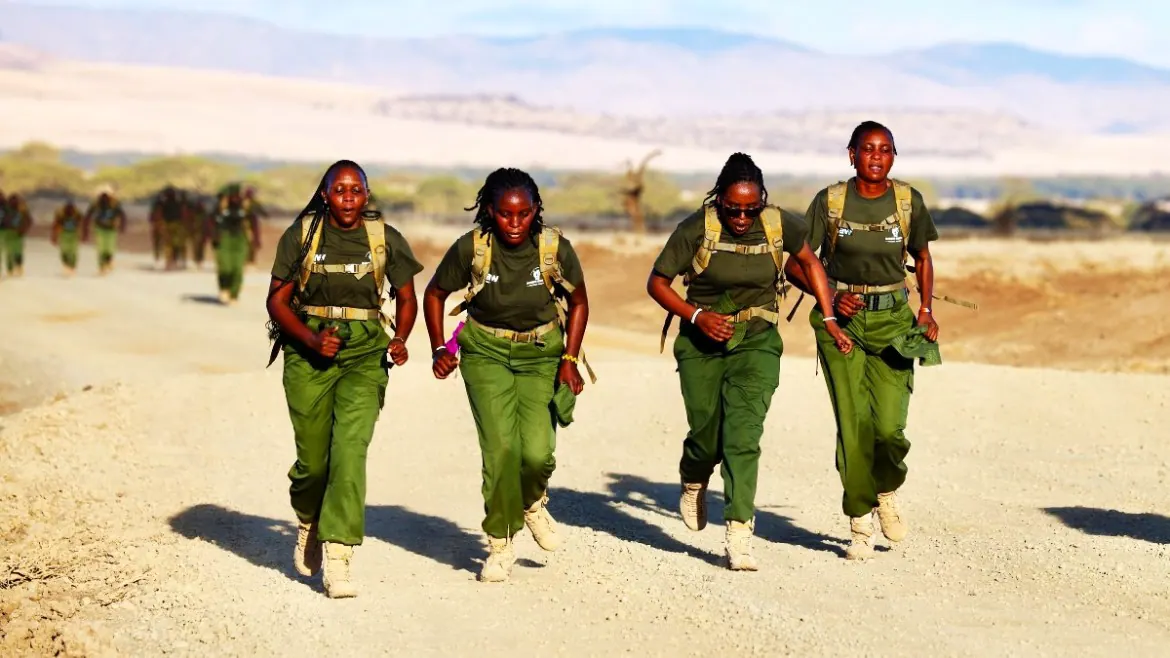
The Wildlife Ranger Challenge, now in its seventh year, has become the largest initiative celebrating Africa's wildlife and wild landscapes protectors. On September 19, 2026, over 2,000 rangers, including 166 teams, simultaneously completed half-marathons carrying up to 22 kilograms of kit across critical conservation landscapes in Africa. The event, organized by Tusk and the Game Rangers Association of Africa (GRAA), aims to support the men and women protecting Africa's wildlife and wild landscapes.
The Wildlife Ranger Challenge has made a significant impact since its launch in 2020. The initiative has raised over $25 million for welfare, equipment, and training, and has supported or engaged more than 11,500 rangers. The 2026 event is expected to generate a further $3 million. The challenge has been made possible with funding from Mark Scheinberg, and has become a crucial platform for highlighting the importance of rangers in conservation efforts.
The 2026 event saw ranger teams push their physical endurance to the limit across the continent, with regional hub events held in Kenya, Uganda, South Africa, and Zambia. Winners of the regional hubs included Kidepo National Park in Uganda, Mountain Bongo Project in Kenya, and Marula North in South Africa. The final overall winning team will be announced early next week after all race data is analyzed.
According to Chantal Migongo-Bake, Chief Conservation Officer for Tusk, the event is a powerful reminder of what rangers endure every day to protect the planet. Africa currently relies on just 65,000 rangers, yet effectively securing its wild spaces and meeting global nature targets will require an estimated 345,000 dedicated personnel. The Wildlife Ranger Challenge aims to help close the gap and expand the continent's ranger workforce.
The challenge has also led to the launch of the Ranger Welfare Standards Initiative, which aims to provide insurance cover for rangers. The initiative has already enabled insurance cover for 6,800 rangers, with a target of reaching 10,000 by 2030. Funds raised from this year's challenge will go directly to participating ranger units to support operational costs, equipment, and medical insurance.
Africa hosts nearly a quarter of global terrestrial mammal species and one-sixth of all plant life, making its ecosystems critical to global climate and biodiversity goals. Rangers will play a crucial role in helping African nations meet the global target of protecting 30 percent of land and sea by 2030. The Wildlife Ranger Challenge aims to help build a sustainable future for conservation by making the job of being a ranger a respected and well-resourced career.
The Wildlife Ranger Challenge has become a vital platform for supporting Africa's rangers and conservation efforts. With expected donations, the challenge has raised an estimated $28 million for Africa's rangers since its inception in 2020. However, organizers warn that global backing still falls short of what is required to safeguard Africa's biodiversity.
Key points
- The Wildlife Ranger Challenge has raised over $25 million for welfare, equipment, and training, and has supported or engaged more than 11,500 rangers.
- Africa currently relies on just 65,000 rangers, yet effectively securing its wild spaces and meeting global nature targets will require an estimated 345,000 dedicated personnel.
- The challenge has led to the launch of the Ranger Welfare Standards Initiative, which aims to provide insurance cover for 10,000 rangers by 2030.