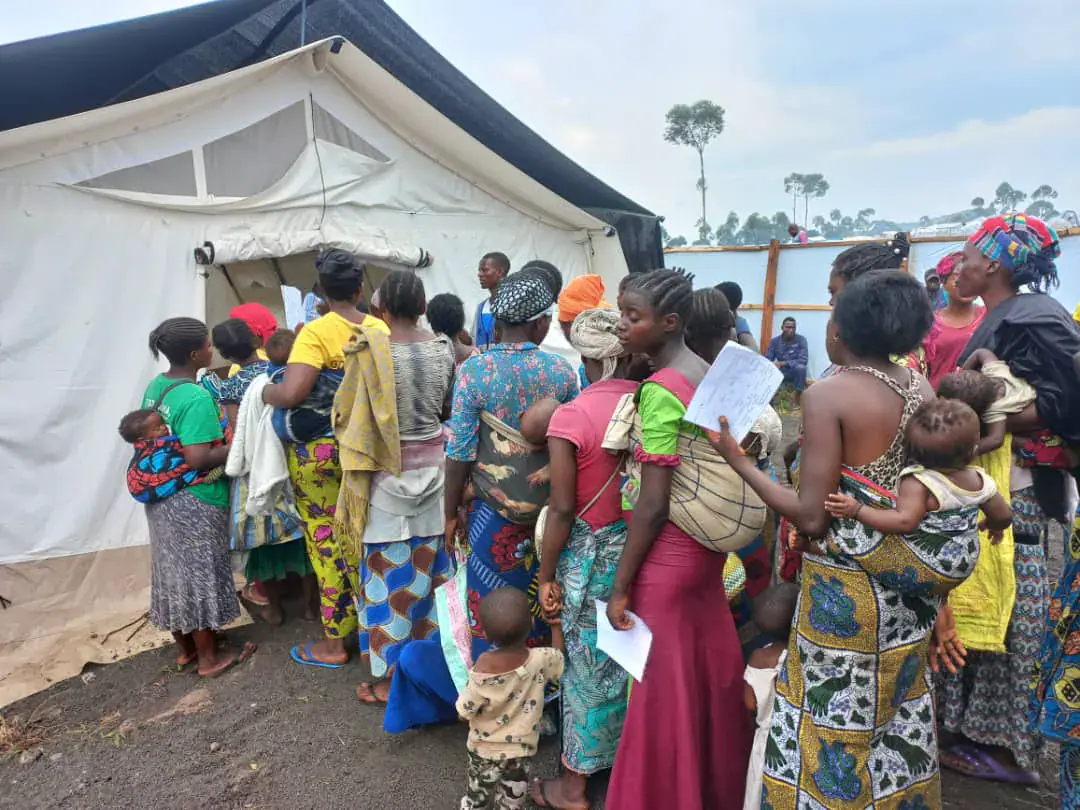
The civil society organization Forces vives, representing the Lwindi chiefdom, has raised concerns about the dire humanitarian situation of over 175,000 people displaced in the Mwenga territory of South Kivu, Democratic Republic of the Congo. These individuals, distributed across nearly 25,000 households in the Ilhanga and Mukangala groups, were forced to flee armed clashes between the FARDC and the Front pour la refondation de la nation (FRN). According to a report from November 5-21, 2026, they are living in precarious conditions without adequate humanitarian assistance.
The displaced people, mainly from Irangi, Kiomvu, Kalambi, Ilowe, Kilimbwe, and Kigogo, have been affected by repeated armed clashes in areas such as Kashika, Kiomvu, Kahulile, Ngenga, Mulamba, and Kigogo. Milenge Muhanya, a local civil society actor, attributes the situation to these ongoing clashes, which have led to families abandoning their homes, land, and livelihoods. The local communities hosting the displaced are under significant pressure, with many displaced families living in makeshift shelters, sometimes outdoors, with limited access to food, clean water, healthcare, and essential products.
The situation is further complicated by a deteriorating health environment. There has been a surge in cholera cases in the Kilimbwe health zone, with over 15 cases reported between October 26 and November 21, including six deaths recorded between November 2-8. The arrival of displaced people from Kilimbwe, Kigogo, and Ilowe in the Ilhanga and Mukangala groups has contributed to the increase in cases in the Kasika health zone. From November 5-21, the Kasika and Kilimbwe health zones reported 105 cholera cases, resulting in 57 deaths.
The civil society organization is calling on humanitarian organizations to conduct a rapid and multisectoral needs assessment in the Ilhanga and Mukangala groups. This appeal aims to address the significant gaps in assistance and provide the necessary support to alleviate the suffering of the displaced populations. The situation highlights the urgent need for coordinated humanitarian efforts to respond to the crisis.
The displaced populations are facing extreme challenges, with many living in makeshift shelters and struggling to access basic necessities. The civil society organization is working to draw attention to the plight of these individuals and advocate for their needs to be met. The humanitarian response must be tailored to address the specific requirements of the affected populations.
The crisis in Mwenga is a result of the ongoing armed clashes, which have led to significant displacement and humanitarian needs. The situation requires a comprehensive response that addresses the root causes of the crisis, as well as the immediate needs of the affected populations. The international community must provide support to alleviate the suffering of the displaced.
The humanitarian situation in Mwenga remains dire, with the displaced populations facing significant challenges in accessing basic necessities. The civil society organization, along with humanitarian partners, must work together to provide a coordinated response to address the crisis. The response must prioritize the needs of the most vulnerable populations.
Key points
- Over 175,000 people displaced in Mwenga territory due to armed clashes
- Displaced populations face precarious conditions, with limited access to food, water, healthcare, and essential products
- Cholera outbreak reported in Kilimbwe and Kasika health zones, with 105 cases and 57 deaths reported between November 5-21