A recent project implemented in Burkina Faso has made significant strides in providing micronutrient supplements to pregnant women. The project, titled "Introduce and Extend Multiple Micronutrient Supplements (MMS) in Burkina Faso," was launched in 2024 and has successfully provided supplements to 106,023 pregnant women, which accounts for 79.1% of its target of 134,039 women. This initiative was led by the Alliance ALIMA-Keoogo-SOS Médecins BF, in collaboration with the Ministry of Health and its Nutrition Directorate.
The project covered 177 health facilities across five districts in the Kadiogo region and one district in the Nazinon region. A total of 837 health agents were trained, exceeding the target of 850, with a training rate of 98.47%. Additionally, the project sensitized 141,794 women of reproductive age, broadcast 24 radio programs, and provided monitoring and communication tools. The project also mobilized 100,000 boxes of 180 tablets.
According to Sory Keïta, head of operations for the Alliance, the results demonstrate the scope of activities conducted but also highlight the efforts needed to ensure the availability of supplements. An evaluation by the Alliance found that beneficiaries generally view the product favorably, with 92.4% of women surveyed expressing satisfaction, 97.9% considering the MMS useful for their health, and 97.1% for their baby's health.
The project's impact is significant, as MMS helps prevent anemia, supports fetal development, and reduces risks associated with pregnancy, such as congenital malformations, premature births, and low birth weight. Beneficiaries cited the mild odor of the tablets, perceived benefits against anemia, free consultations during prenatal care, and healthcare provider advice as reasons for their satisfaction.
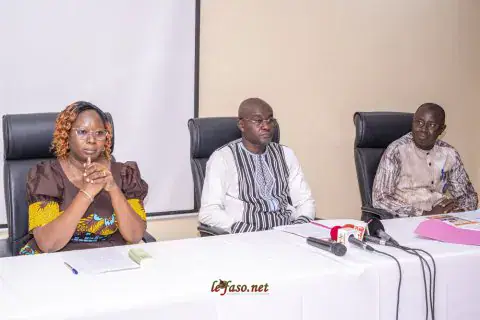
However, challenges persist, including the issue of sustainability. Representing the High Commissioner of Kadiogo, Boukari Sawadogo, emphasized that maternal nutrition is a public health priority. Nevertheless, introducing a new intervention does not guarantee its survival, and the High Commissioner, Maurice Konaté, stressed that continued availability of products, capacity building for healthcare providers, data quality, and monitoring are crucial for long-term success.
The project's end marks a transition phase to consolidate gains, and the Alliance is seeking funding to continue its support, advocating for a national extension. "We are calling on all technical and financial partners around the Ministry of Health," stated Keïta, emphasizing that this task cannot be the responsibility of a single organization.
One of the remaining challenges is that many women attend prenatal consultations late in their pregnancy, reducing the effectiveness of the supplements. Keïta emphasized the importance of early consultation, ideally during the first trimester, and continuous monitoring until delivery. He called for intensified awareness-raising efforts with the support of community actors and healthcare professionals.
Key points
- The project provided micronutrient supplements to over 106,000 pregnant women in Burkina Faso.
- The initiative aimed to improve maternal and child health by preventing anemia and supporting fetal development.
- Sustainability and early prenatal care remain key challenges for the project's long-term success.