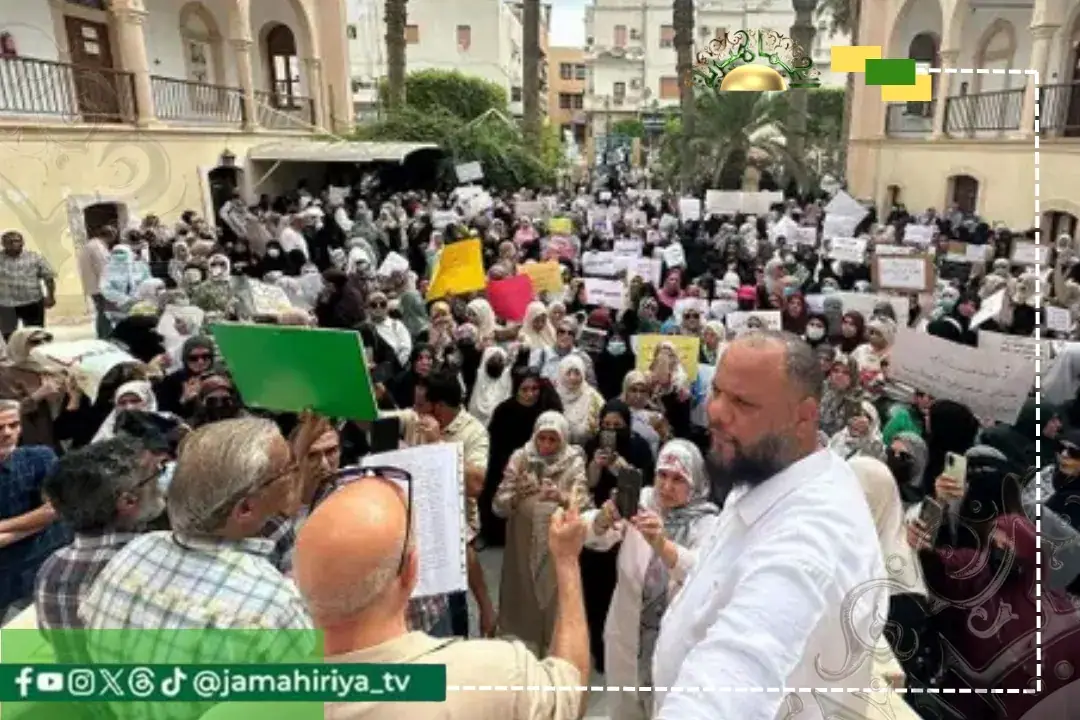
The ongoing teacher strike in Libya has resulted in the disruption of the academic year, affecting over 1.5 million students in government schools. The strike, which has been ongoing for nearly two months, has left many families struggling to cope with the additional educational and financial burdens. According to reports, the strike has not only halted classes but also raised concerns about the widening educational gap between students in public and private schools.
Parents in Libya are growing increasingly worried about the impact of the strike on their children's education. Muhammad Al-Zaydi, a parent, expressed understanding for the teachers' demands but fears that his children will bear the brunt of the dispute. With weeks having passed since the start of the strike, concerns are mounting about the loss of the academic year and the accumulation of lessons, particularly with no clear indication of when classes will resume.
The strike has highlighted the disparities in educational opportunities between students from affluent and low-income families. While some families have been able to provide alternative educational arrangements for their children, many others are unable to afford such options. This has raised concerns about the unequal access to education and the potential long-term consequences for students who are already disadvantaged.
Parents are urging teachers and educational authorities to find a solution that will allow students to return to school. Abdul Latif Bou'asaker, a parent, expressed frustration with the continued disruption of classes, questioning why students should be penalized for a dispute that is not of their making. While acknowledging the legitimacy of teachers' demands, he called for a swift resolution to the crisis to protect students' right to education.
The anxiety about the strike's impact is not limited to parents, as students themselves are expressing concerns about falling behind in their studies. On social media, students have been voicing their fears about accumulating lessons and delayed academic progress, particularly among those in their final years of school. The uncertainty surrounding the resumption of classes has created a sense of unease among students about their ability to complete their curriculum and prepare for exams.
The Libyan government and educational authorities are facing mounting pressure to address the crisis and find a solution that will allow students to return to school. With the strike showing no signs of ending, concerns are growing about the long-term consequences for the country's education system and the future of its students. As the situation continues to unfold, parents, students, and teachers are eagerly awaiting a resolution that will prioritize the educational needs of Libya's young people.
According to Aljamahiriya TV, the situation remains volatile, with no clear end in sight to the strike. The prolonged disruption of classes has underscored the need for a swift and effective resolution to the crisis, one that will safeguard the educational rights of Libya's students and ensure that they are not disadvantaged by the ongoing dispute.
Key points
- Over 1.5 million Libyan students are currently without access to education due to the ongoing teacher strike.
- The strike has highlighted significant disparities in educational opportunities between students from affluent and low-income families.
- Parents and students are urging teachers and educational authorities to find a swift resolution to the crisis to protect students' right to education.