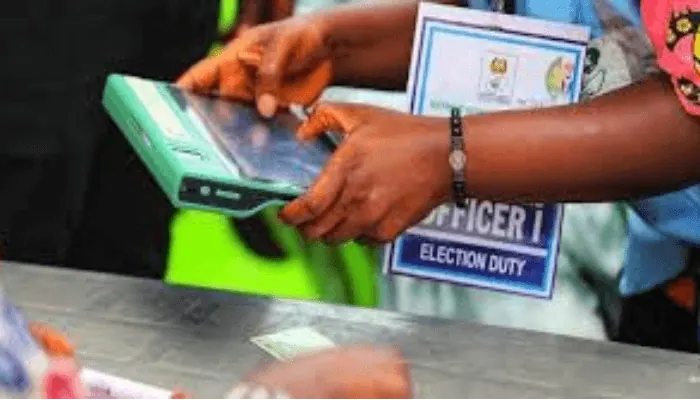
The Osun State governorship election has concluded, but its conduct has sparked a conversation about Nigeria's electoral system. Enough is Enough (EiE) Nigeria documented a largely peaceful election, but also recurring problems, including delayed deployment of officials and materials, BVAS failures, accessibility gaps, threats to ballot secrecy, voter intimidation, and alleged vote buying. These observations are based on 532 polling-unit reports from 12 local government areas. EiE acknowledged that its findings are not statistically representative of every polling unit.
The electoral system's strengths and weaknesses are crucial in determining its credibility. For the electorate, the system is judged by what happens at the polling unit, not by regulations. A voter experiences the system when an election official arrives late, a BVAS device fails, or a polling station cannot accommodate a person with a disability. The Osun experience should concern the Independent National Electoral Commission (INEC) and inform its preparations for the 2027 general elections.
BVAS-related difficulties were reported in seven of the 12 local government areas observed, including devices failing to start, interruptions during accreditation, and difficulties capturing facial data of elderly voters. INEC's emergency arrangements should be robust to prevent technical problems from becoming barriers to voting. The same applies to election-day logistics, where late arrival of officials, materials, or security personnel can create anxiety and discourage voters.
Accessibility is another important test of Nigeria's electoral system. The country cannot claim an inclusive system if voters requiring assistance encounter physically inaccessible polling locations or shortages of necessary forms and facilities. Such shortcomings disproportionately affect vulnerable voters and send a damaging message about whose participation matters.
Intimidation, violence, and threats to ballot secrecy are worrying trends. Democracy requires citizens to make their choices freely and privately. Allegations of vote buying also deserve serious institutional attention, as they suggest that political competition can be distorted by poverty and financial influence. If citizens begin to believe that elections are primarily contests of financial capacity, faith in the ballot as an instrument of change will decline.
The implications for 2027 are significant, as the electorate may become increasingly sceptical about whether their votes can be cast conveniently, secretly, and without intimidation. Voter apathy could grow if citizens repeatedly encounter avoidable institutional failures. Every unresolved weakness creates an opening for political actors to challenge results and for losing candidates to exploit genuine public frustrations.
INEC must resist the temptation to treat each election as an isolated event and instead use the Osun experience as a diagnostic exercise. The Commission should publish lessons from its internal review, strengthen emergency arrangements, improve accessibility preparations, and establish clearer mechanisms for receiving and resolving citizen complaints. Findings from credible accredited observers should also form part of this learning process.
Key points
- INEC must strengthen its emergency arrangements for technology and logistics to prevent technical problems from becoming barriers to voting.
- The Commission should improve accessibility preparations to ensure that voters requiring assistance can exercise their rights.
- Allegations of vote buying and intimidation must be addressed to maintain the integrity of the electoral process.