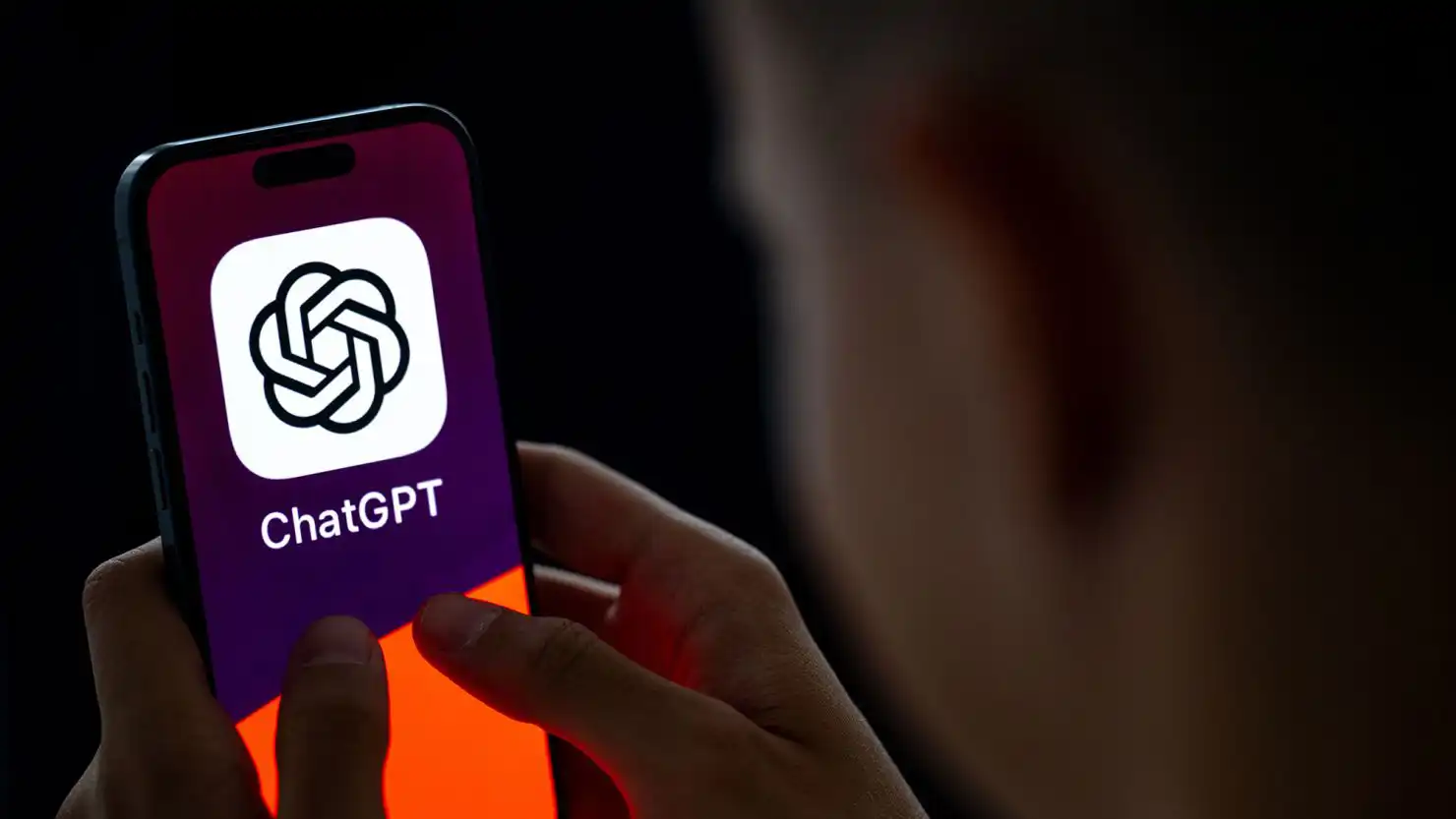
OpenAI is preparing to introduce an invisible watermark to texts generated by its artificial intelligence application, ChatGPT, in the European Union. This move aims to facilitate differentiation between content produced by AI and human-generated content. The feature will be available for users to activate for specific models. Initially, access to the watermark detection tool will be limited to authorized researchers and specialized organizations.
According to OpenAI, tests have shown that detecting the watermark may become more challenging when modifications are made to generated texts. For instance, replacing certain words with synonyms or using short paragraphs can impact the effectiveness of the detection tool. In one experiment, replacing 25% of the text with synonyms reduced the detection rate from around 92% to 17%, highlighting technical challenges in maintaining the mechanism's efficacy after text modifications.
The watermark detection tool is currently restricted to authorized researchers and specialized organizations, with plans for future expansion. OpenAI has not specified which models will be eligible for the watermark feature through the application programming interface. The company is taking steps to comply with the European Union's Artificial Intelligence Act, which came into effect on August 2. The act requires transparency and disclosure of AI-generated content.
The European Union's Artificial Intelligence Act, specifically Article 50, imposes requirements for labeling and disclosing AI-generated content. Systems launched before August 2 have a deadline of December 2 to comply with these regulations. OpenAI's efforts align with these new rules, demonstrating its commitment to responsible AI development and deployment.
The introduction of the invisible watermark feature is a significant step towards ensuring transparency in AI-generated content. By enabling the detection of AI-generated texts, OpenAI aims to promote trust and accountability in the use of its technology. This development is particularly relevant in the context of the European Union's efforts to regulate AI and protect users from potential risks associated with AI-generated content.
OpenAI's decision to add an invisible watermark to ChatGPT texts in Europe reflects the growing need for safeguards against AI-generated misinformation. As AI technology continues to evolve, it is essential to develop and implement effective measures to distinguish between human-generated and AI-generated content. This move by OpenAI contributes to the ongoing conversation about AI regulation and responsible AI development.
The implementation of the invisible watermark feature will be closely monitored, and its effectiveness will depend on various factors, including user adoption and the evolution of AI-generated content. As the technology landscape continues to shift, OpenAI's proactive approach to addressing the challenges associated with AI-generated content sets a positive precedent for the industry.
Key points
- OpenAI plans to add an invisible watermark to ChatGPT texts in the EU to facilitate distinction between AI-generated and human content.
- The watermark detection tool will initially be limited to authorized researchers and specialized organizations.
- The move aligns with the European Union's Artificial Intelligence Act, which requires transparency and disclosure of AI-generated content.