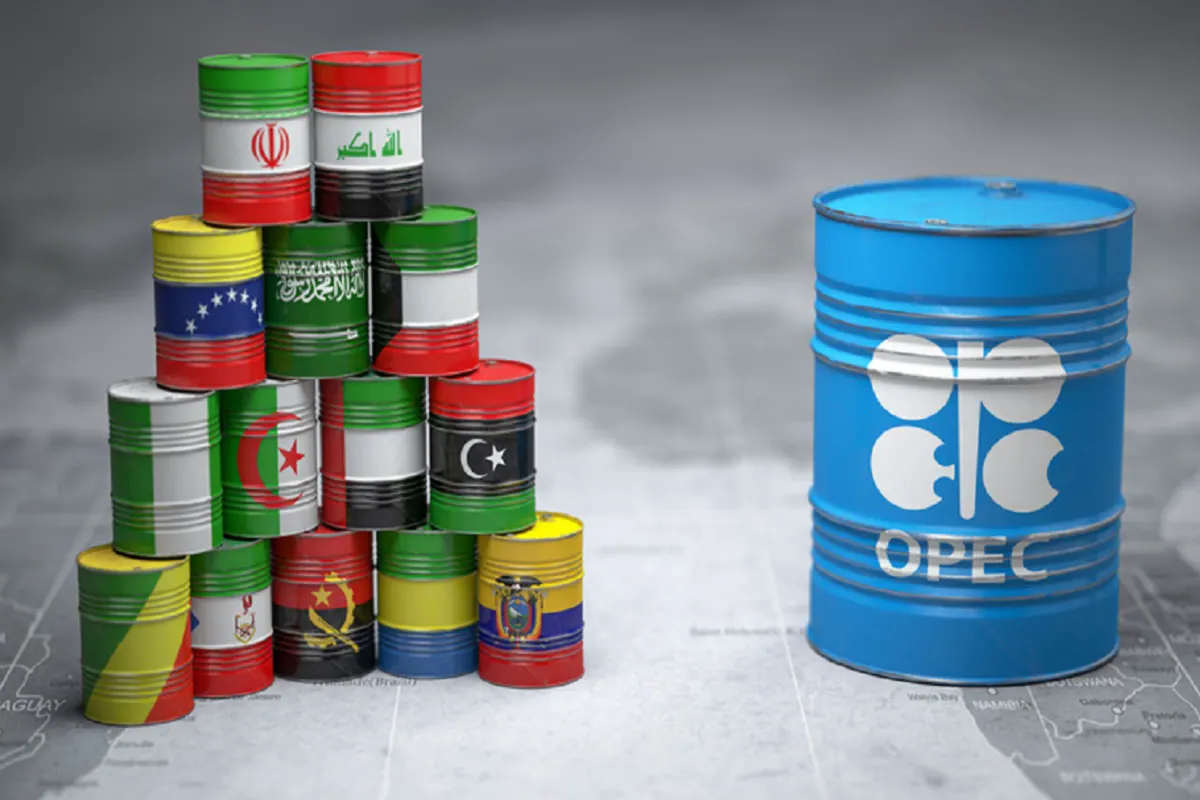
The Organization of the Petroleum Exporting Countries (OPEC+) has postponed the evaluation of its members' maximum oil production capacities until mid-November. This exercise, initially scheduled for late September, is crucial in determining the oil production quotas for 2027. The delay is attributed to the ongoing conflict in the Middle East, which has disrupted several expansion projects and complicated the assessment of production capacities.
The conflict has affected various projects aimed at increasing the oil production capacities of some OPEC+ member countries. As a result, the projections of the actual volumes that producers can supply to the market are becoming increasingly uncertain. According to sources cited by Reuters, not all members have yet provided the necessary data for the evaluation. This delay is sensitive, as the determined capacity level directly influences the production margin allocated to each country.
The evaluation is conducted by the US-based cabinet DeGolyer and MacNaughton, which is responsible for assessing the capacities of most OPEC+ members, except for Russia, Iran, and Venezuela, which are subject to US sanctions. The report is expected to be submitted to OPEC+ in mid-November. The organization continues to adjust its production targets, with the latest decision being a new increase of 188,000 barrels per day starting from August.
The current conflict has resulted in difficulties in exporting and reduced capacities in several Gulf countries. The postponement of the evaluation takes place against a backdrop of tensions between several producers regarding their reference levels. Iraq is seeking a higher quota, while the United Arab Emirates left OPEC+ in May, advocating for a better consideration of its production capacity.
The OPEC+ faces challenges in determining the production quotas for 2027, as the conflict continues to impact the oil market. The recent coordinated release of 100 million barrels of oil and petroleum products by the G7 aims to temporarily increase the available supply and alleviate price tensions. The organization will need to have a reliable assessment of each producer's capacity before engaging in discussions on 2027 quotas.
The final calendar for the evaluation depends on the evolution of the conflict and the availability of necessary data. The OPEC+ will closely monitor the situation to ensure a stable oil market. The delay in evaluation has sparked concerns about the potential impact on the global oil supply and prices.
The situation remains uncertain, with various factors influencing the OPEC+ decision-making process. The organization's ability to accurately assess production capacities and set quotas will be crucial in maintaining market stability. The upcoming discussions on 2027 quotas will be closely watched by market participants and industry experts.
Key points
- OPEC+ delays evaluation of oil production capacities due to Middle East conflict
- Conflict disrupts expansion projects, complicating production capacity assessment
- OPEC+ to adjust production targets, with focus on stable oil market