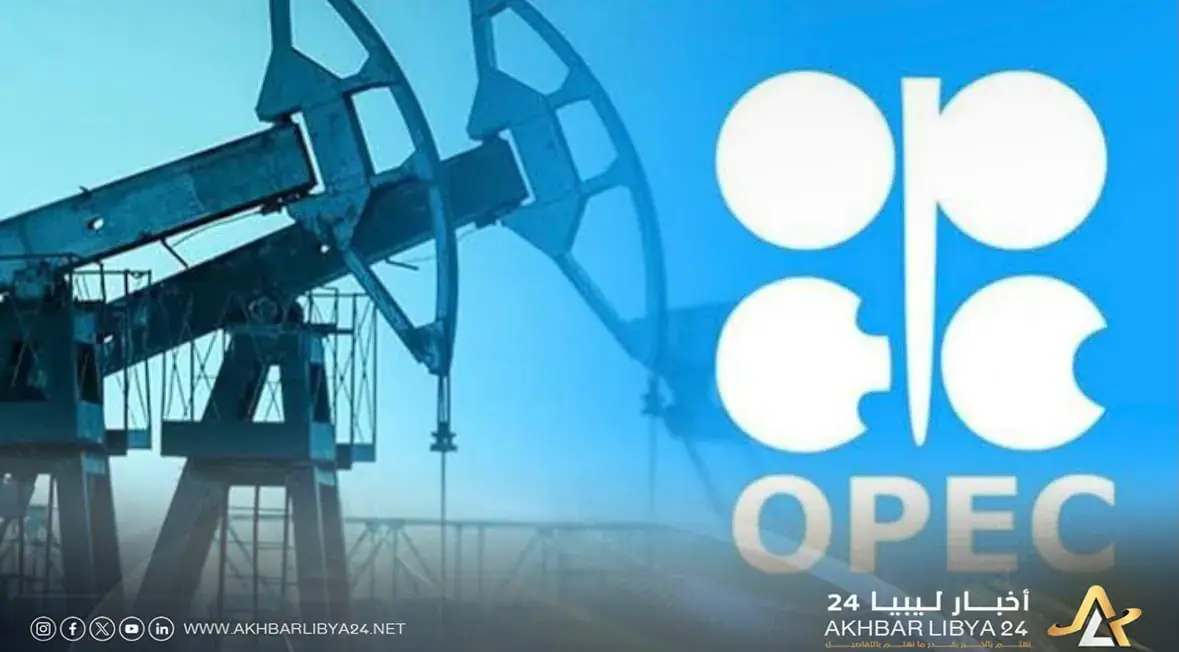
The OPEC+ alliance has decided to keep its oil production targets for December unchanged, according to a statement released after an online meeting on Sunday. The decision was made by seven key members, including Saudi Arabia, Russia, Iraq, Kuwait, Algeria, Kazakhstan, and Oman. This move aligns with expectations that production levels will remain steady until the end of the year.
The OPEC+ group, which includes the Organization of the Petroleum Exporting Countries (OPEC) and several allied producing countries like Russia, has been navigating the complexities of global oil markets. These markets have been influenced by the ongoing conflict between the United States and Iran, which has impacted oil exports and supplies. The alliance is set to meet again on November 29 to discuss production quotas for the coming year.
The decision to maintain current production levels comes as global oil prices have been fluctuating due to geopolitical tensions. On Friday, prices rose by over 2%, with Brent crude reaching approximately $118 per barrel, its highest level since April. This increase is attributed to concerns about the potential escalation of the conflict between the U.S. and Iran following the U.S. midterm elections.
Despite the current stability in production targets, the OPEC+ alliance faces challenges in determining its production policy for the coming year. The ongoing conflict and its impact on oil supplies, along with the pace of recovery in shipping through the Strait of Hormuz, add to the uncertainty. Additionally, the expected increase in oil supply from fields that had halted operations further complicates the alliance's decision-making process.
The OPEC+ group has been gradually increasing production targets throughout 2026, culminating in the phased elimination of supply cuts amounting to 1.65 million barrels per day, agreed upon in 2023. Although the alliance has maintained production targets for October and November, additional cuts of around 2 million barrels per day remain in place for most members until the end of 2026.
OPEC+ is currently conducting a review of its members' production capacity in the final quarter of the year. This review is crucial for setting the baseline for production quotas in 2027 and planning the gradual removal of remaining supply cuts. However, the conflict in Iran has affected expansion projects in several Middle Eastern countries, making it difficult to estimate future production capacities.
The ongoing review of production capacities is expected to conclude by mid-November, ahead of the finalization of the new framework for allocating production quotas within the alliance. According to analysts, the upcoming meeting on November 29 will be significant, as it will determine the production levels for 2027 and address the challenges posed by the current global market dynamics.
Key points
- OPEC+ maintains December production targets amid ongoing global market fluctuations.
- The alliance faces challenges in determining 2027 production policy due to the conflict between the U.S. and Iran.
- OPEC+ is reviewing members' production capacities to set 2027 quotas and plan the removal of supply cuts.