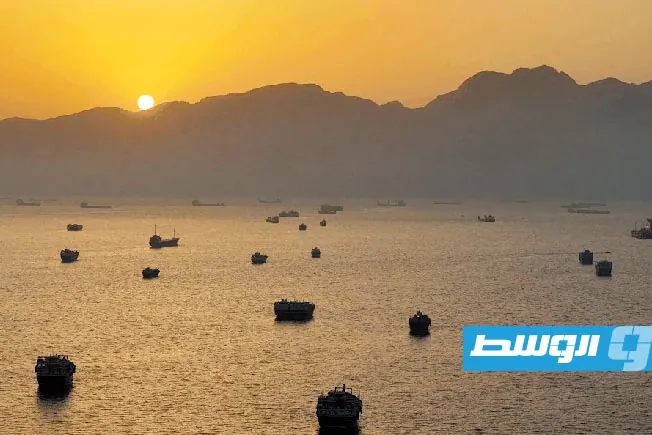
Preliminary data showed that only two cargo vessels crossed the Strait of Hormuz on Monday. This marks a significant decrease from the previous day when ten ships passed through. The data does not include vessels that may have crossed the strait with their Automatic Identification System (AIS) turned off to avoid detection. The Strait of Hormuz is a critical waterway for global trade, particularly for oil and gas shipments.
Before the Iran war began on February 28, the Strait of Hormuz typically saw around 125 large commercial vessels pass through daily. These vessels included oil and gas tankers, bulk cargo ships, and container ships. The sharp decline in ship traffic has raised concerns about the impact on global trade and oil supplies. According to reports, ship owners and operators are exercising caution due to the current tensions in the region.
On Monday, a British maritime agency reported that a tanker was hit by an unknown projectile while crossing the Strait of Hormuz. The incident occurred as the tanker was heading into the strait. Two crew members were lightly injured in the incident, and the tanker continued on its journey under its own power. The agency did not provide details on the origin of the projectile or the identity of the tanker.
The incident highlights the risks faced by ships transiting the Strait of Hormuz, a region that has been subject to heightened tensions and conflict in recent years. The UK Maritime Trade Operations (UKMTO) reported that the incident was under investigation. The agency provides critical information and alerts to ships transiting the region, helping to ensure safe passage.
The decline in ship traffic through the Strait of Hormuz has significant implications for global trade and oil supplies. The strait is a vital waterway for shipments of oil, gas, and other critical commodities. Any prolonged disruption to traffic could have far-reaching consequences for the global economy. According to reports, ship owners and operators are closely monitoring the situation and adjusting their routes and schedules accordingly.
The current tensions in the region have raised concerns about the security of shipping lanes and the potential for further incidents. The Strait of Hormuz is a critical chokepoint for global trade, and any disruption to traffic could have significant economic and geopolitical implications. Diplomatic efforts are underway to reduce tensions and ensure safe passage for ships transiting the region.
The incident on Monday and the decline in ship traffic through the Strait of Hormuz have sparked concerns about the impact on global trade and oil supplies. The situation remains fluid, and stakeholders are closely monitoring developments. The UKMTO and other maritime agencies are working to provide critical information and support to ships transiting the region, helping to ensure safe passage and minimize disruptions.
Key points
- The Strait of Hormuz has seen a significant decline in ship traffic, with only two cargo vessels passing through on Monday.
- A tanker was hit by an unknown projectile while crossing the Strait of Hormuz on Monday, injuring two crew members.
- The decline in ship traffic through the Strait of Hormuz has significant implications for global trade and oil supplies.