The mountain bongo, Kenya's rarest forest antelope, is on the verge of disappearing from the wild, with only 65 individuals remaining. The loss of a single breeding female could set back conservation efforts by three years, highlighting the urgent need for action. Poaching, habitat destruction, disease, and isolation of small populations are major threats to the species' survival. Conservation efforts are underway to rebuild the species through breeding, forest restoration, and reintroduction.
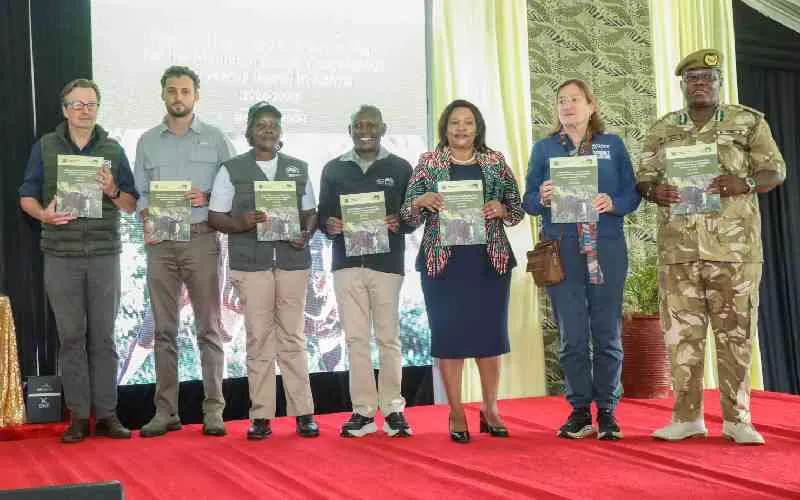
The Kenyan government has launched a long-term plan to increase the mountain bongo population to 750 by 2075. The National Recovery and Action Plan for the Mountain Bongo (2026-2030) aims to secure remaining wild populations and create new ones through breeding and reintroduction. Environment and Forestry Cabinet Secretary Rebecca Miano emphasized that the recovery of the mountain bongo is not just a wildlife conservation project, but also a test of Kenya's governance of its mountain forests.
The mountain bongo is found only in Kenya and is critically endangered. The species' recovery is crucial for the country's biodiversity and genetic resources. The Constitution requires the State to conserve biodiversity and protect genetic resources. Miano stated that securing the bongo also means protecting a wider national asset, including the country's water, carbon storage, agriculture, tourism, and community livelihoods.
The new plan sets a target of increasing the national mountain bongo population by 50% by 2030 and building towards a self-sustaining population of 750 by 2075. The first year of implementation will focus on securing and growing wild populations in at least two ecosystems, maintaining increasing populations in at least two breeding sanctuaries, and preparing at least one suitable forest release site.
A review of the previous plan found that only 28 of 129 activities were fully implemented, highlighting the need for improved coordination and accountability. The new plan introduces a coordination secretariat, clearly assigned responsibilities, and regular reviews. The plan estimates that approximately Sh400 million will be required over five years, with development partners, philanthropy, and responsible private capital expected to align their support with the costed national framework.
Communities living beside mountain forests are central to the implementation of the plan, with conservation expected to create jobs, enterprises, restoration opportunities, and participation. Miano warned that development decisions affecting bongo habitat must take conservation into account before projects are approved. Kenya will work with the IUCN Species Survival Commission on population and genetic viability, disease risks, release standards, hormone monitoring, and specialist capacity.
By 2030, success will be visible in the forests and verifiable in the data through more bongos in secure habitat, declining illegal and harmful activity, healthy and genetically diverse managed populations, a credible release pathway, and communities benefiting from landscape recovery. Dr. Robert Aruho, head of Mount Kenya Wildlife Conservancy, noted that the elusive nature of the animals and their dense forest habitat make accurate census difficult.
Key points
- The loss of a single breeding female mountain bongo could set back conservation efforts by three years.
- The Kenyan government aims to increase the mountain bongo population to 750 by 2075 through breeding, forest restoration, and reintroduction.
- The recovery of the mountain bongo is crucial for Kenya's biodiversity and genetic resources, and requires a coordinated effort from government, development partners, and local communities.