Residents of Abuja are living in fear as one-chance robbers continue to wreak havoc on the city's roads. A journey that appears to be an ordinary commercial vehicle ride could end in robbery, abduction, serious injury, or even death. The growing menace is eroding public confidence despite renewed security measures. Many residents are now hesitant to leave their homes, fearing for their safety. The situation has become a major concern for the authorities, with many calling for increased security measures to curb the trend.
The story of Grace Godwin, a 23-year-old petrol station attendant, is a tragic example of the dangers faced by Abuja residents. She left home for work in July 2025 and never returned. Her body was later discovered along the Jabi axis, with relatives alleging she was murdered by suspected one-chance robbers. Another victim, Freda Arnong, a Ghanaian national, died at the National Hospital, Abuja, after being allegedly assaulted and pushed from a moving vehicle by suspected one-chance operators. These incidents have left many residents traumatized and fearful of using public transportation.
According to a police record released by the FCT Police Command's spokesperson, Josephine Adeh, a legal practitioner, Mediatrix Chigbo, was killed after she unknowingly boarded a black Volkswagen Golf 3 vehicle along the Kubwa Expressway. The occupants of the vehicle were criminals, and Chigbo's mobile phone was tracked by the police, leading to the arrest of three suspects. However, it was too late for Chigbo, and her death has added to the growing list of victims of one-chance robbers.
Survivors of one-chance robberies have shared their harrowing experiences. Umar Musa, who lives in Mararaba, Nasarawa State, recalled how he was attacked after boarding what appeared to be an ordinary commercial vehicle while traveling from the Zuba area of the capital city. He was beaten, slapped, and forced to transfer N500,000 from his bank account before being dumped by the roadside. Musa's experience has left him shaken, and he now views public transportation with suspicion.
Security experts attribute the persistence of one-chance crime to a combination of factors, including weak regulation of commercial transport, rapid urban expansion, unemployment, and inadequate surveillance of informal transport routes. Abuja, designed as a planned city with wide roads and modern infrastructure, was expected to offer residents a sense of safety. However, the reality is far from it, with fear and uncertainty now a part of everyday life for many residents.
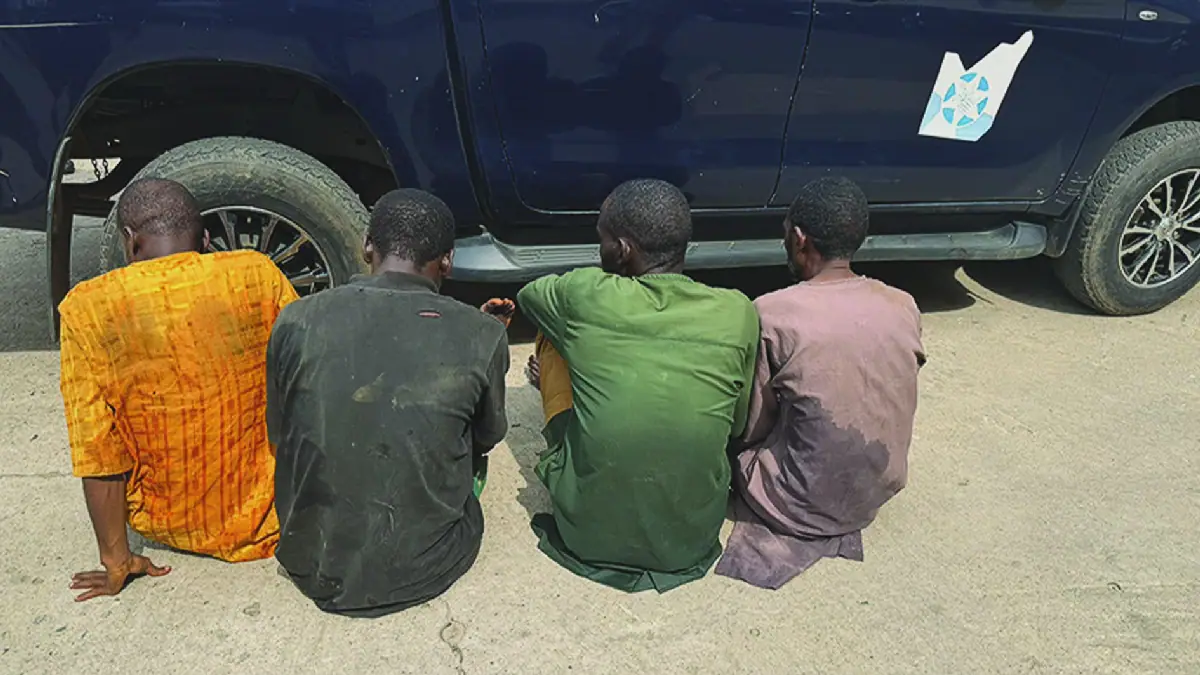
The FCT Police Command has made efforts to curb the trend of one-chance robberies. In 2024, the command arrested 71 suspects in connection with one-chance robbery. In 2025, the command did not release a specific number of one-chance robbers arrested but paraded suspects in batches after specific raids. This year, the command has arrested dozens of individuals suspected of one-chance robbery in separate operations across its jurisdiction. However, despite these efforts, the problem persists.
Security experts believe that the true scale of one-chance robberies may be considerably higher than reported, as many victims never report their experiences. The Human Rights Writers Association of Nigeria (HURIWA) has called for increased security measures to address the issue. The FCT Police Command has confirmed that investigations into several deaths, including those of a school nurse and a lawyer, are ongoing. However, the complexity of the investigations and the lack of concrete results have left many residents feeling helpless.
Key points
- One-chance robbers have become more organized and increasingly violent, targeting everyone from students and young professionals to lawyers and civil servants.
- The FCT Police Command has arrested dozens of individuals suspected of one-chance robbery in separate operations across its jurisdiction this year.
- Security experts attribute the persistence of one-chance crime to a combination of factors, including weak regulation of commercial transport, rapid urban expansion, unemployment, and inadequate surveillance of informal transport routes.