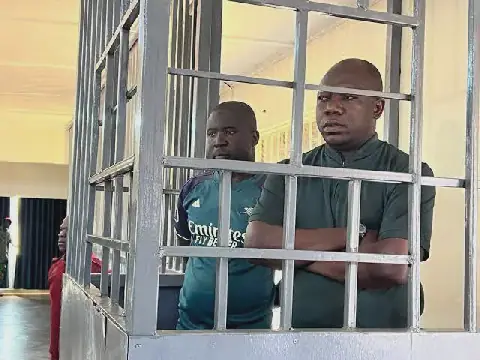
The Kenyan government has introduced enhanced security measures to protect the integrity of the 2026 Kenya Certificate of Secondary Education (KCSE) examinations. A multi-agency operation, involving the police and the Kenya National Examination Council (KNEC), has been launched to prevent exam fraud. This move comes after a suspect was arrested in Bungoma County for allegedly sharing examination papers on a Telegram and mobile phone-based syndicate.
According to Bungoma County Police Commander Omar Arero, the suspect was arrested on Monday evening after detectives from the Directorate of Criminal Investigations (DCI) recovered a mobile phone containing evidence of an ongoing examination paper distribution network. The suspect was allegedly coordinating the syndicate, which was circulating this year's KCSE examination papers. The swift response by security agencies prevented the material from being widely circulated.
KNEC Chief Executive Officer David Njengere stated that the incident demonstrated the effectiveness of the security systems introduced by KNEC, particularly the tracking features embedded in examination papers. The council had invested in sophisticated security features that enable investigators to trace examination materials and identify individuals involved in suspected malpractice. This allowed investigators to respond to irregularities before they escalated into widespread malpractice.
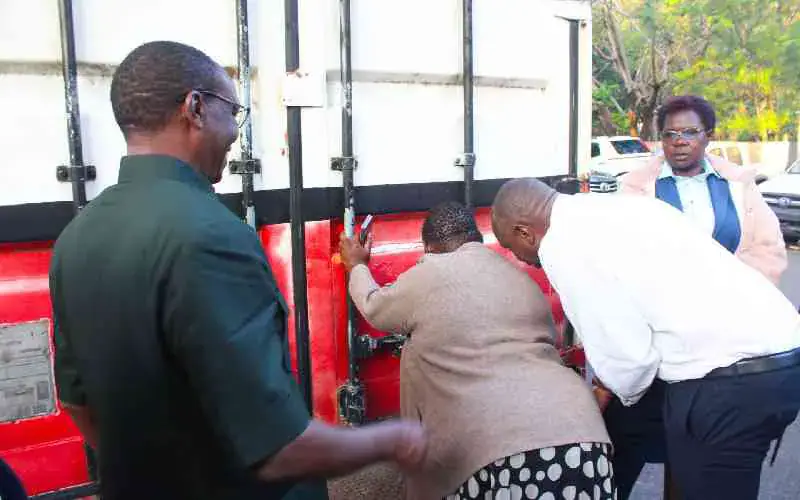
Dr. Njengere ruled out the possibility of early exposure of examination papers, noting that the council had introduced electronic monitoring systems designed to detect any unauthorized attempt to open examination storage containers. The containers are fitted with electronic smart padlocks monitored remotely from KNEC headquarters, with any attempt to open them outside the authorized timelines triggering an alert.
Under the new arrangements, examination center managers are required to collect examination papers for their respective centers at exactly 7 am. The managers are also expected to transport the materials to their respective schools within a tightly controlled period, ensuring that examination papers are not exposed before the official start of the examination. KNEC has decentralized examination storage infrastructure across sub-county level to 653, bringing examination materials closer to schools.
The government has deployed helicopters and additional security personnel to facilitate the delivery and protection of examination materials. KNEC has also strengthened the security features of examination papers and answer sheets through personalized details and unique identifiers intended to prevent substitution, impersonation, and unauthorized circulation. The identifiers are particularly important in tracing the origin of examination papers photographed and shared on social media platforms.
Authorities have introduced strict restrictions on mobile phones and other smart devices within examination centers. Centre managers, supervisors, invigilators, security officers, teachers, support staff, and candidates are required to comply with the restrictions, with phones switched off and securely stored outside examination rooms. Every examination center is guarded by at least two armed police officers, while security teams also oversee the transportation of examination materials.
Key points
- One suspect was arrested in Bungoma County for allegedly sharing KCSE examination papers.
- KNEC has introduced electronic monitoring systems to detect unauthorized attempts to open examination storage containers.
- The government has deployed helicopters and additional security personnel to facilitate the delivery and protection of examination materials.