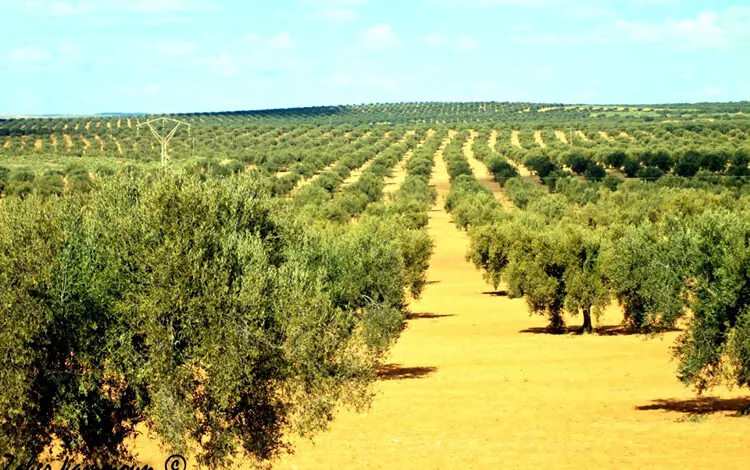
Tunisia's olive season in Sfax is underway, with farmers preparing for a harvest that promises to be challenging. This year's season is marked by a combination of factors, including expected decline in production, climate change impacts, rising production costs, and labor shortages. The season's start date has not been officially announced, but last year's season began on October 29. Farmers and experts are weighing in on what to expect from this year's harvest.
Farmers like Kamal Adwan expect a 40% decline in production compared to last year, citing climate change, high temperatures, and irregular rainfall. Adwan estimates that production will be between 300,000 and 350,000 tons, down from 500,000 tons last year. However, he notes that production volume is not the only factor that will determine the season's success, as farmers also face rising production costs.
Fawzi Zyani, a specialist in agricultural policies, cautions against using unofficial estimates as final numbers, stressing that the Ministry of Agriculture is the primary source for official production estimates. Zyani notes that estimates can begin as early as July and are revised in September or October based on field data and modern technologies. He believes that some regional agricultural development offices have already released their estimates, which can be compiled to produce a unified national estimate.
Zyani and others emphasize the importance of scientifically determining the optimal harvest time, rather than relying on administrative decisions. The choice of harvest time should be based on analyses that determine the ripeness of the olives. The Olive Tree Institute plays a key role in this process, as its analysis of ripeness helps determine the best time for harvesting.
For farmers like Adwan, the olive season is a year-round process that involves significant expenses, from land preparation to harvesting, transportation, and marketing. Adwan notes that labor shortages are a major challenge, particularly with young people increasingly uninterested in working in the agricultural sector. This leads to higher labor costs and increased expenses for farmers.
Hassan Jarboui, a member of parliament and member of the agriculture committee, believes that the challenges facing the olive sector are well-known and that the focus should shift from diagnosis to implementation. Jarboui notes that the committee has proposed solutions to the sector's problems, which have been submitted to the head of parliament and the presidency. He hopes that concrete actions will be taken to address these issues.
Jarboui views the olive sector as a vital part of Tunisia's economy, providing foreign currency, jobs, and supporting the economic fabric. He stresses the need for a clear strategy that encompasses production, processing, marketing, and export, rather than just addressing the problems of each season as they arise. Mechanization is seen as a necessary step to address labor shortages and improve the quality of the harvest.
Key points
- Expected decline in olive production in Sfax, Tunisia.
- Labor shortages and rising production costs major challenges for farmers.
- Mechanization seen as necessary to address labor shortages and improve quality.