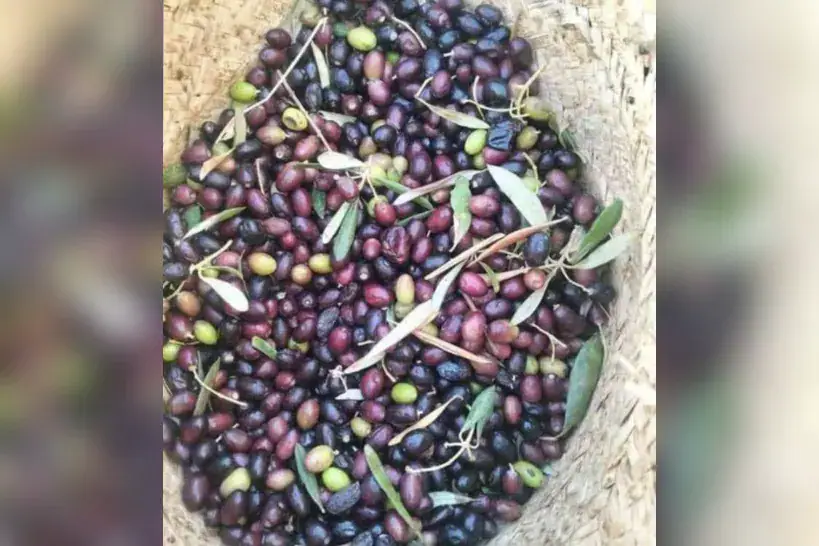
The governor of Manouba, Mahmoud Chaieb, has officially announced the start of the olive harvesting season in the region, set to begin on Monday, November 2. Through official media, Chaieb urged all farmers and olive press owners to initiate the collection and processing of olives, emphasizing the importance of adhering to optimal methods for gathering, transporting, pressing, and storing to maintain product quality.
This season, Manouba boasts over 1 million olive trees spanning 14,124 hectares, which accounts for 63% of the total area dedicated to fruit-bearing trees in the governorate. According to Chakri Arfaoui, head of the Plant Production Department at the Manouba Regional Commission for Agricultural Development, these numbers highlight the significance of olive cultivation in the region.
Arfaoui further noted that Manouba is home to 18 olive presses, including four biological ones. He also mentioned that direct marketing from producers to consumers stands at 40%, underscoring the variety and diversity of olive products in the dietary habits of the local population, particularly in the "Tebarbe" area and across Tunisia.
The olive harvesting season is a crucial period for the local economy and the food industry in Manouba. With a substantial number of olive trees and presses, the region is poised to yield a significant harvest. Efforts to maintain product quality and promote direct sales are expected to benefit both producers and consumers.
The Manouba Regional Commission for Agricultural Development plays a vital role in supporting local farmers and olive producers. Through initiatives like the upcoming harvesting season, the commission aims to enhance agricultural productivity, improve product quality, and foster economic growth in the region.
As the olive harvesting season commences, farmers and producers in Manouba are gearing up for a productive period. With the right approaches to collection, processing, and marketing, the region is set to capitalize on its olive production, contributing to Tunisia's agricultural and economic landscape.
The significance of the olive sector in Manouba extends beyond economic benefits, as it also represents a vital part of the region's cultural heritage. As the harvesting season unfolds, local communities will come together to celebrate the olive harvest, reinforcing the importance of this traditional practice.
Key points
- The olive harvesting season in Manouba, Tunisia, begins on November 2, with over 1 million olive trees on 14,124 hectares of land.
- The region has 18 olive presses, including four biological ones, and direct marketing from producers to consumers stands at 40%.
- The harvesting season is expected to boost the local economy and food industry, while promoting product quality and direct sales.