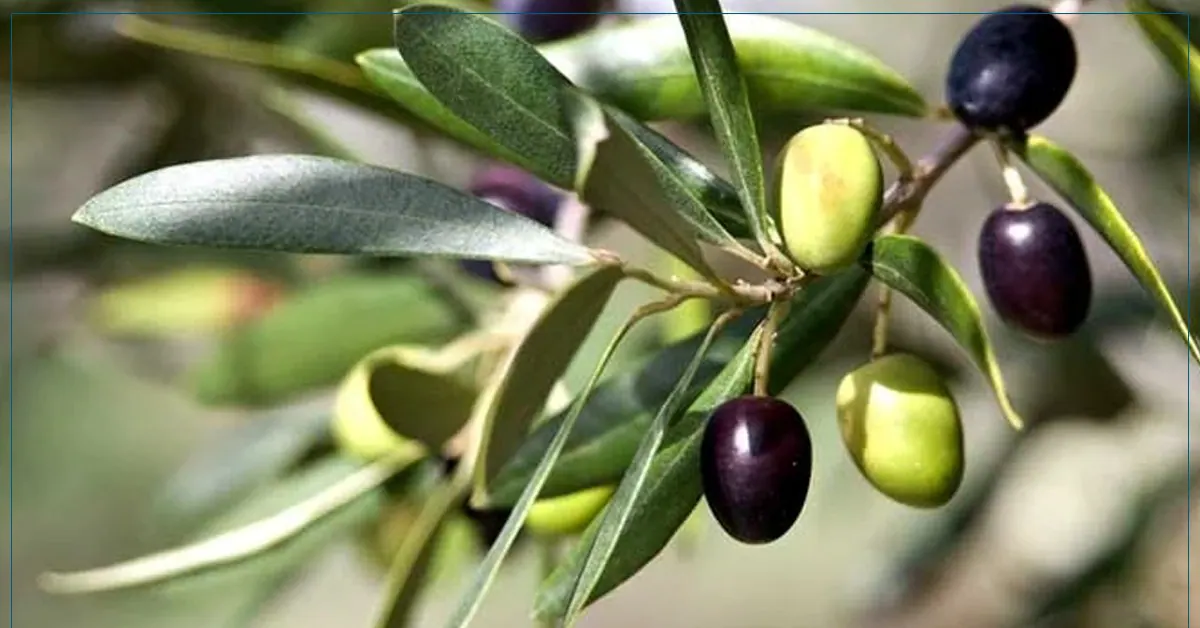
The olive harvesting season is set to begin on October 15 in the Medenine governorate of Tunisia, specifically for small farmers operating in non-coastal areas. This decision was made during a working session held on Thursday at the governorate's headquarters. The session aimed to address the challenges faced by farmers in the region and to ensure a smooth harvesting process.
According to Amar Jamai, the regional delegate for agriculture in Medenine, the current season's harvest is expected to yield 30,000 tons of olives, significantly lower than the 90,000 tons recorded in the previous season. This decline is attributed to the lack of rainfall and the prolonged heatwave, which affected the olive crop. To mitigate potential losses, it was proposed to advance the harvesting season.
The regional delegate for agriculture expressed confidence that there would be no difficulties in terms of logistical resources and labor, given the reduced harvest. He stated that the available resources would be sufficient to cover the needs of harvesting, transportation, and storage. Additionally, efforts will be made to meet the increasing demand for olive pomace, a byproduct used as fertilizer in agricultural enterprises.
The governor of Medenine emphasized the importance of adhering to several recommendations to ensure the success of the harvesting season. These recommendations include maintaining accessible agricultural roads, organizing designated markets, and securing the harvest. Furthermore, there will be monitoring to ensure compliance with harvesting, transportation, and storage regulations to guarantee the quality of the produce.
The authorities also aim to support efforts to enhance the value of the olive product and increase its marketing pace, both domestically and for export. This involves promoting the product and improving its competitiveness in the market. The olive sector is a significant contributor to the local economy, and the authorities are working to address the challenges faced by farmers.
In previous seasons, the Medenine governorate has faced challenges related to water scarcity, labor shortages, and logistical issues. However, with the cooperation of local authorities, farmers, and other stakeholders, the sector has continued to operate. The olive harvesting season is a critical period for farmers in the region, and the authorities are working to ensure its success.
The olive harvesting season in Medenine is expected to provide a vital source of income for small farmers in the region. The authorities' efforts to support farmers and improve the harvesting process will likely have a positive impact on the local economy. With the season set to begin on October 15, farmers and stakeholders are preparing for a successful harvest.
Key points
- The olive harvesting season in Medenine, Tunisia, is set to begin on October 15 for small farmers.
- The current season's harvest is expected to yield 30,000 tons of olives, significantly lower than the previous season.
- The authorities are working to support farmers and improve the harvesting process to ensure a successful season.