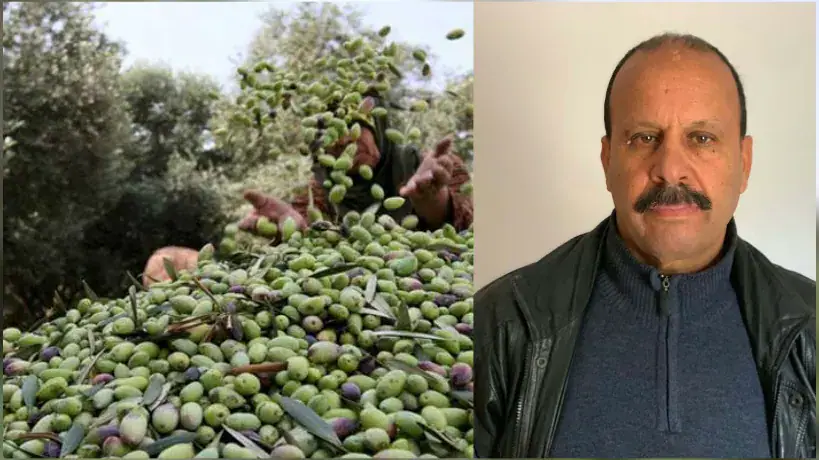
The olive harvest season officially begins today in Tunisia's Kef governorate, with expectations of a below-average harvest. According to Monir El Abidi, head of the Regional Union of Agriculture and Maritime Fishing in Kef, the current season faces challenges related to production yields and labor shortages. The olive sector plays a crucial role in the region's economy, providing a source of income for many families, particularly in rural areas.
The expected below-average production has raised concerns among farmers about their ability to cover the costs of harvesting, transportation, and other production expenses. The situation will become clearer as the harvest progresses. In addition to production concerns, the issue of providing labor and ensuring the safe transportation of female farm workers to and from the fields remains a significant challenge.
The transportation of female farm workers is a recurring problem each harvest season, with risks associated with a lack of suitable transportation that meets safety standards and respects the dignity of the workers. There is a need for practical solutions and coordination among stakeholders to provide safe and organized transportation, protecting the workers from road hazards and ensuring better conditions for farmers to carry out the harvest.
The olive harvest season holds great importance in the Kef governorate, not only as a key agricultural activity but also due to its associated economic and social impact on farmers, workers, and other stakeholders involved in production, harvesting, and transportation. As the season unfolds, attention will focus on the development of the harvest and whether expectations match the final results.
The Kef governorate is a significant producer of olives in Tunisia, and the sector plays a vital role in the region's economy. The challenges facing the sector, including low production yields and labor shortages, require sustainable solutions to ensure the continued viability of olive farming in the region.
To address the challenges facing the olive sector, the Tunisian government and other stakeholders must work together to provide support to farmers and workers. This may include initiatives to improve transportation infrastructure, provide training and resources for farmers, and promote sustainable agricultural practices.
As the olive harvest season progresses, farmers and workers in the Kef governorate will be closely monitoring the situation, hoping for a successful harvest and a better future for the sector. The outcome of the season will have a significant impact on the local economy and the livelihoods of many families.
Key points
- The olive harvest season in Tunisia's Kef governorate faces challenges related to production yields and labor shortages.
- The sector plays a crucial role in the region's economy, providing a source of income for many families.
- Sustainable solutions are needed to address the challenges facing the olive sector, including low production yields and labor shortages.