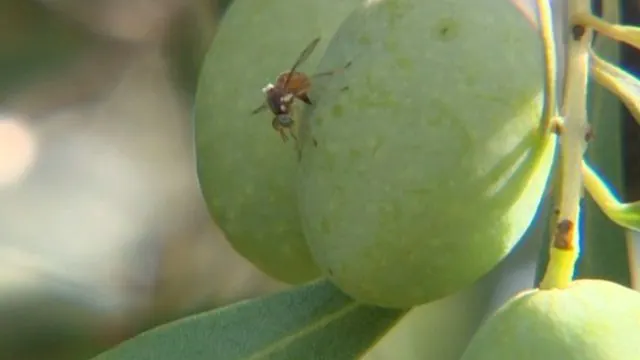
A significant threat has emerged to the olive crops in the Boudjellil region of Algeria, located 87 km southwest of Béjaïa. The olive fly, a notorious pest, has infested several olive groves in the area, causing considerable damage to the crops. The infestation has been particularly severe in the commune of Boudjellil, where the fly's larvae have been feeding on the olives, hollowing them out and rendering them unusable.
The olive fly infestation has been causing significant problems for local farmers, who are struggling to find effective ways to control the pest. One farmer, who owns a large olive grove in the area, expressed his concerns about the impact of the infestation on his crop. He noted that the fly had laid eggs in the olives during the previous summer, and that the larvae were now feeding on the fruit, causing significant damage.
The infestation has also been reported in other areas of the region, including the rural town of Lâazib, which is home to thousands of olive trees. The town's residents, who rely heavily on olive production for their livelihood, are worried about the impact of the infestation on their crops. The olive fly infestation has the potential to significantly reduce the region's olive production and affect the quality of the oil produced.
Farmers in the region are exploring various methods to control the olive fly infestation, including the use of sticky traps. However, these methods have not been entirely effective, and the farmers are concerned about the long-term impact of the infestation on their crops. The use of chemical insecticides is also being considered, but this approach is expensive and may have negative environmental consequences.
Despite the challenges posed by the olive fly infestation, the olive harvest in the region has been promising, with many olive trees producing a bountiful crop. The region's olive trees, some of which are several hundred years old, have produced an abundance of fruit, which is a positive sign for local farmers. However, the infestation has raised concerns about the quality of the oil produced and the long-term sustainability of olive production in the region.
The olive fly infestation has highlighted the need for sustainable and environmentally friendly methods to control pests in olive groves. Local farmers are seeking advice from agricultural experts on how to manage the infestation and minimize its impact on their crops. The development of effective and sustainable solutions to control the olive fly infestation is crucial to ensuring the long-term viability of olive production in the region.
The impact of the olive fly infestation on olive production in Algeria is being closely monitored by local authorities and agricultural experts. The situation is being assessed, and measures are being taken to mitigate the effects of the infestation and prevent its spread to other areas. The goal is to minimize the damage and ensure that olive production in the region remains sustainable and profitable for local farmers.
Key points
- Olive fly infestation threatens olive production and quality in Boudjellil region of Algeria.
- Farmers exploring methods to control infestation, including sticky traps and chemical insecticides.
- Sustainable and environmentally friendly solutions needed to control pests in olive groves.