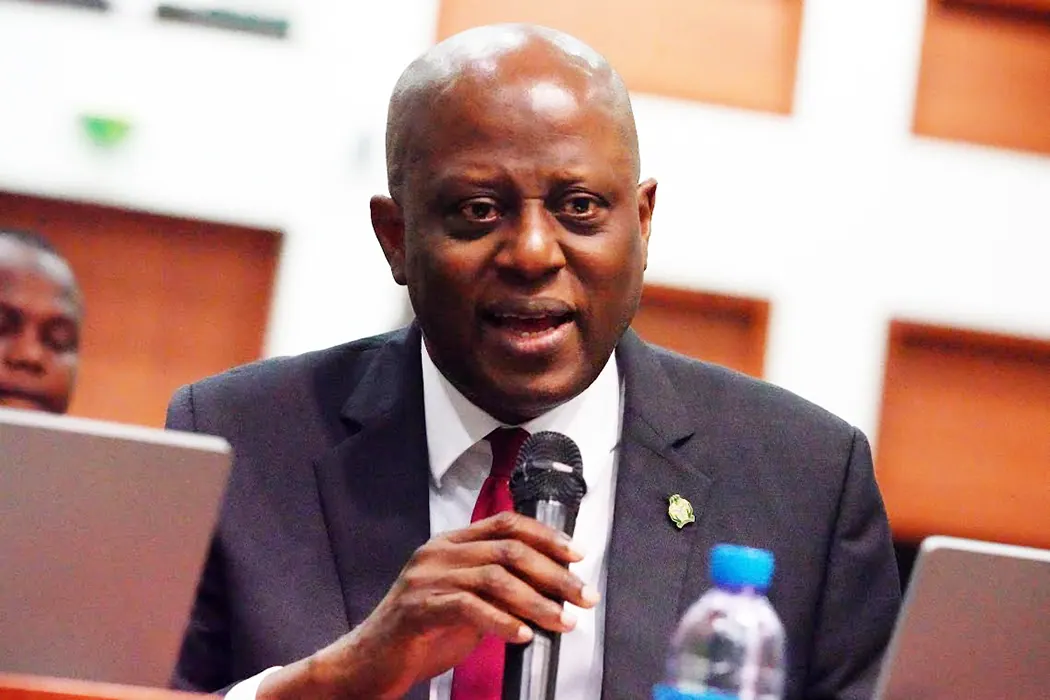
Olayemi Cardoso has made significant strides as Governor of the Central Bank of Nigeria, not through individual interest-rate decisions, but by working to restore confidence, stabilize the naira, and reimpose discipline. He assumed office on September 22, 2023, amid severe macroeconomic challenges, including scarce foreign-exchange liquidity, a fragmented naira market, accelerating inflation, and weakened confidence in monetary policy.
Upon taking leadership of the apex bank, Cardoso faced a daunting task in rebuilding the country's monetary and financial system. The Central Bank of Nigeria (CBN) carried a substantial amount of inherited foreign-exchange obligations, and years of unconventional monetary and quasi-fiscal interventions had blurred the line between monetary management and fiscal financing.
Three years into his tenure, the macroeconomic landscape has improved materially. External reserves have risen above $55 billion, and the banking industry has completed a major recapitalization exercise. The foreign-exchange market now operates within a more unified framework, formal remittance inflows have expanded, and payments infrastructure is being rebuilt with a focus on security and interoperability.
The CBN has introduced new rules covering areas such as cybersecurity, anti-money laundering, agent banking, and financial-market benchmarks. These changes represent a broader effort to return the central bank to its core role of preserving monetary and financial stability, improving market functioning, and allowing prices to emerge from transparent market mechanisms.
Cardoso has emphasized that the starting point of his tenure was critical in understanding the challenges faced. He inherited an environment where confidence had been lost in both the CBN and the currency. The naira was depreciating rapidly, making it difficult for households and businesses to plan, and prices were changing frequently.
The foreign-exchange crisis was only part of the problem; Cardoso specifically pointed to the burden of Ways and Means financing. The CBN inherited approximately ₦23.7 trillion in Ways and Means advances and over ₦10 trillion in interventions. This combination injected significant liquidity into an economy with limited productive capacity, weakening the central bank's ability to influence inflation and financial conditions.
Cardoso's reform agenda began with a focus on returning the institution to its core mandate. This involved taking a more conventional approach to monetary policy, allowing market mechanisms to determine prices, including the price of money and foreign exchange. The goal was to restore confidence in the CBN and the naira, and to stabilize the economy.
Key points
- External reserves have risen above $55 billion under Cardoso's leadership.
- The CBN has introduced new rules covering areas such as cybersecurity and anti-money laundering.
- Cardoso inherited ₦23.7 trillion in Ways and Means advances and over ₦10 trillion in interventions.