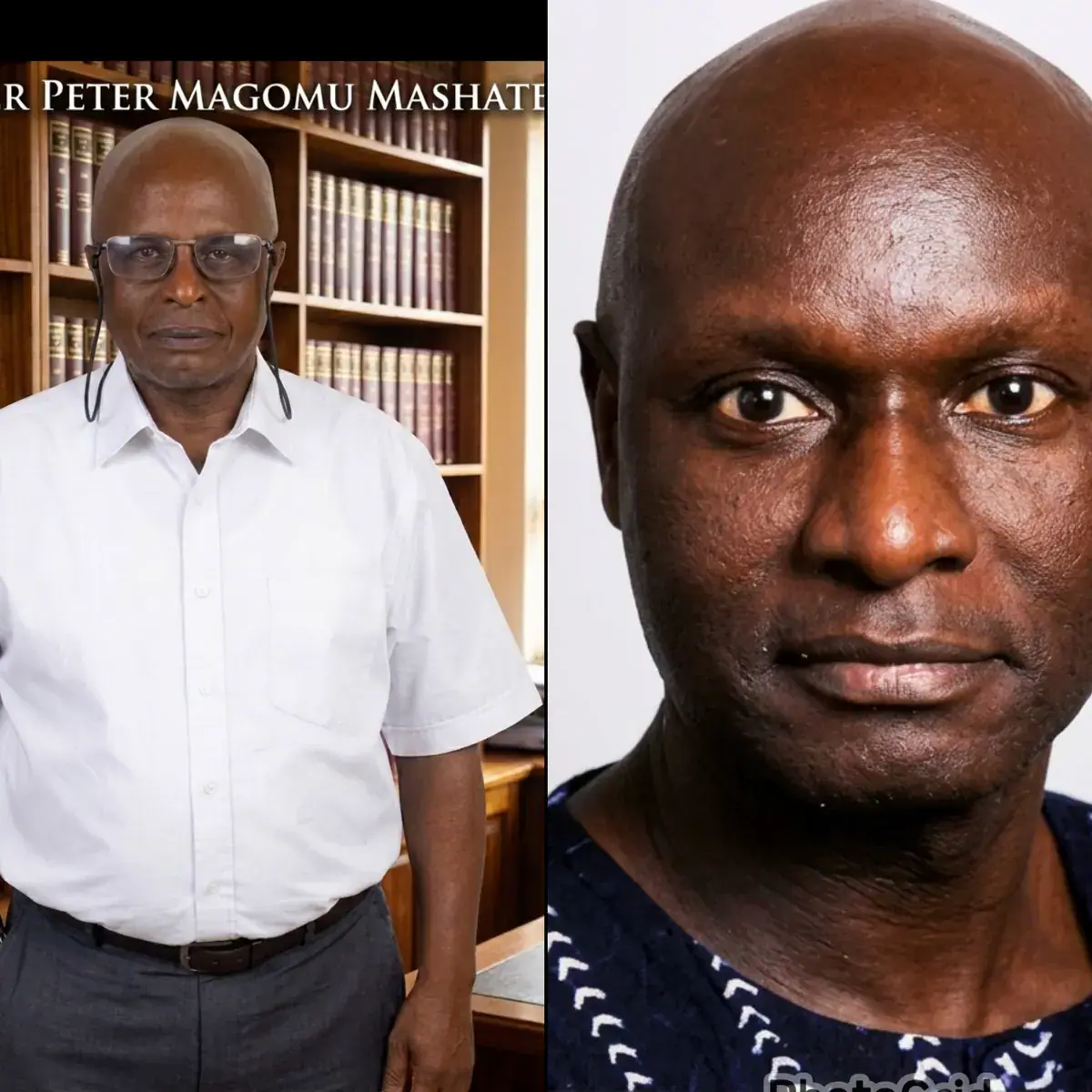
As the United Nations Security Council searches for António Guterres's successor, Uganda's candidate, Ambassador Dr. Olara Otunnu, may be overlooked by casual observers due to his low ranking in straw polls. However, Barrister Peter Magomu Mashate argues that this is a misreading of UN diplomacy, where frontrunners do not win by plurality but by avoiding vetoes. Otunnu has experience in navigating complex UN diplomacy, having engineered the solution to the 1981 succession crisis.
Otunnu's experience in the 1981 succession crisis, where he presided over a bitter six-week stalemate as Uganda's Permanent Representative and Security Council President, gives him an edge. He devised the informal straw-balloting mechanism, known as the "Otunnu Formula," which allowed members to test consensus privately without public humiliation. This experience extends to the 1996 succession battle that installed Kofi Annan, where Otunnu's name circulated as a preferred consensus alternative before domestic politics in Kampala denied him a formal nomination.
The current frontrunner, Costa Rica's Rebeca Grynspan, faces a formidable veto wall, with diplomatic reporting indicating that Washington and Moscow oppose her. Grynspan drew four "discourage" votes, including two from permanent members, in the November 20 color-coded ballot. Her vulnerability inside closed consultations is great-power realpolitik, making it difficult for her to achieve the nine affirmative votes and zero vetoes from the five permanent members required to become UN Secretary-General.
Otunnu's 12 "discourage" votes reflect heavy headwinds, including skepticism among the P5, but they represent tactical positioning in a crowded field rather than an ideological blood feud with a single superpower. If the leading contenders trigger formal vetoes, the P5 may look backward to move forward, toward a seasoned elder statesman like Ambassador Olara Otunnu, who has been vetted across four decades of UN peacekeeping, human rights, and reform.
The veteran Ugandan diplomat who invented the straw poll in 1981 could still emerge as the ultimate dark-horse compromise of 2026. Otunnu knows better than anyone in the chamber that November polls are mere skirmishes before the December reckoning, when the Council will be forced to confront the reality of a Grynspan veto. When that happens, the votes parked with her will not vanish; they will migrate in search of a safe harbor.
Otunnu's institutional memory extends equally to the brutal 1996 succession battle that installed Kofi Annan. During that December window, Otunnu's own name circulated in New York as a preferred consensus alternative before domestic politics in Kampala denied him a formal nomination. Thirty years later, armed with Kampala's unequivocal backing, Otunnu is well-positioned to make a strong bid for the UN Secretary-General position.
As Guterres's December 31 departure looms, the Council will be forced to pivot from maximizing ambition to minimizing friction. While Otunnu's polling numbers are low, his experience, support, and knowledge of the UN's inner workings make him a strong contender. The stakes are high, and the next UN Secretary-General will need to navigate complex global challenges, making Otunnu's experience and expertise valuable assets.
Key points
- Olara Otunnu's experience in navigating complex UN diplomacy and his knowledge of the UN's inner workings make him a strong contender for UN Secretary-General.