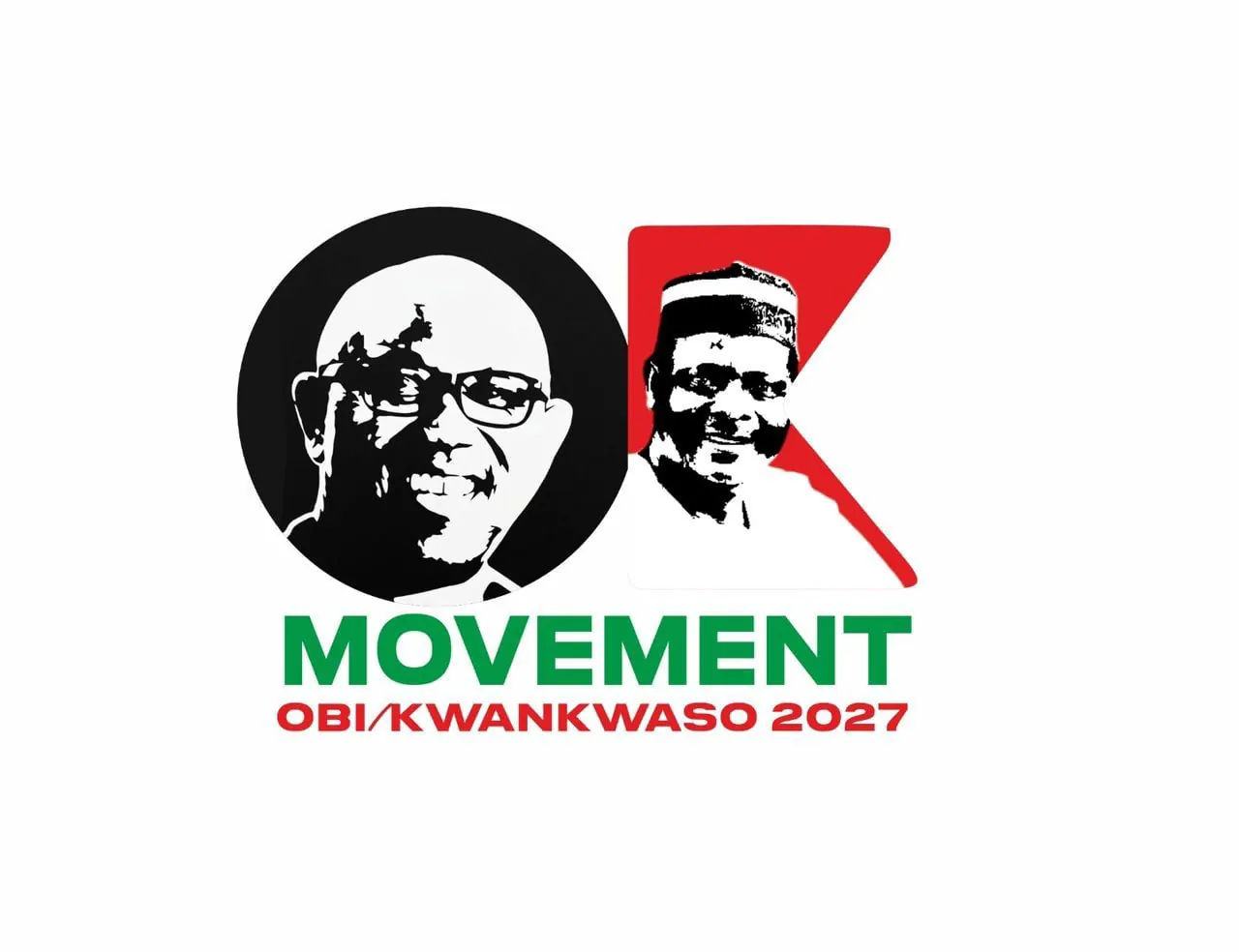
The Obi-Kwankwaso Movement, known as the OK Movement, has rejected the Nigeria Democratic Congress's (NDC) attempt to control its structures ahead of the 2027 general elections. The movement's Director-General, John Ughulu, stated that the OK Movement would maintain its independent identity and not allow its structures to be absorbed into the NDC. This move comes after NDC National Leader, Senator Seriake Dickson, criticized the OK Movement's decision to establish a 59-member Presidential Campaign Council.
Dickson argued that support groups should assist political parties rather than create competing structures. He stated that support groups should focus on mobilization and support for candidates, not create their own campaign councils. The OK Movement, however, disagrees with Dickson's description of it as an ordinary support group. Ughulu claimed that the OK Movement is an independently established organization with its own leadership and mobilization structures.
Ughulu explained that the OK Movement brings together people from different political backgrounds who support Peter Obi and Rabiu Kwankwaso, the NDC presidential candidate and running mate. He rejected Dickson's description of the movement's campaign council as "nonsensical," arguing that the movement is not attempting to take over the NDC's responsibilities. The OK Movement's national secretary, Saadatu Sani, also demanded an apology from the NDC chairman, Senator Moses Cleopas.
The disagreement between the OK Movement and the NDC follows the unveiling of the OK Movement's 59-member Presidential Campaign Council on September 17. The NDC distanced itself from the announcement, stating that the structure was not authorized by its National Working Committee. Cleopas referred Ughulu to the party's disciplinary organ over his conduct during the Lagos State primary and alleged disregard for party authority.
The OK Movement has built a nationwide grassroots network, with an internal database containing about 2.5 million registered members and coordinators. Sani stated that the movement would support NDC candidates but maintain its independent structure and decision-making process. Ughulu emphasized that the OK Movement's existence and internal administration are not subject to the NDC's internal management.
The OK Movement will not be collapsed, merged, or subsumed into the NDC or any other organization, according to Ughulu. The movement will continue to mobilize support for Obi and Kwankwaso while maintaining its own internal administration. Ughulu also stated that the movement's organizational structure remains its property and responsibility, and it will not surrender its established structures to any political party or external support group.
The OK Movement's decision to maintain its independence has sparked a disagreement with the NDC, with both sides defending their positions. The movement's rejection of NDC control has raised questions about the future of the alliance between the two organizations. The OK Movement's insistence on its independence has also highlighted the complexities of Nigeria's political landscape ahead of the 2027 elections.
Key points
- The OK Movement has rejected the NDC's attempt to control its structures ahead of the 2027 general elections.
- The movement has maintained its independent identity and will not allow its structures to be absorbed into the NDC.
- The OK Movement has built a nationwide grassroots network with about 2.5 million registered members and coordinators.