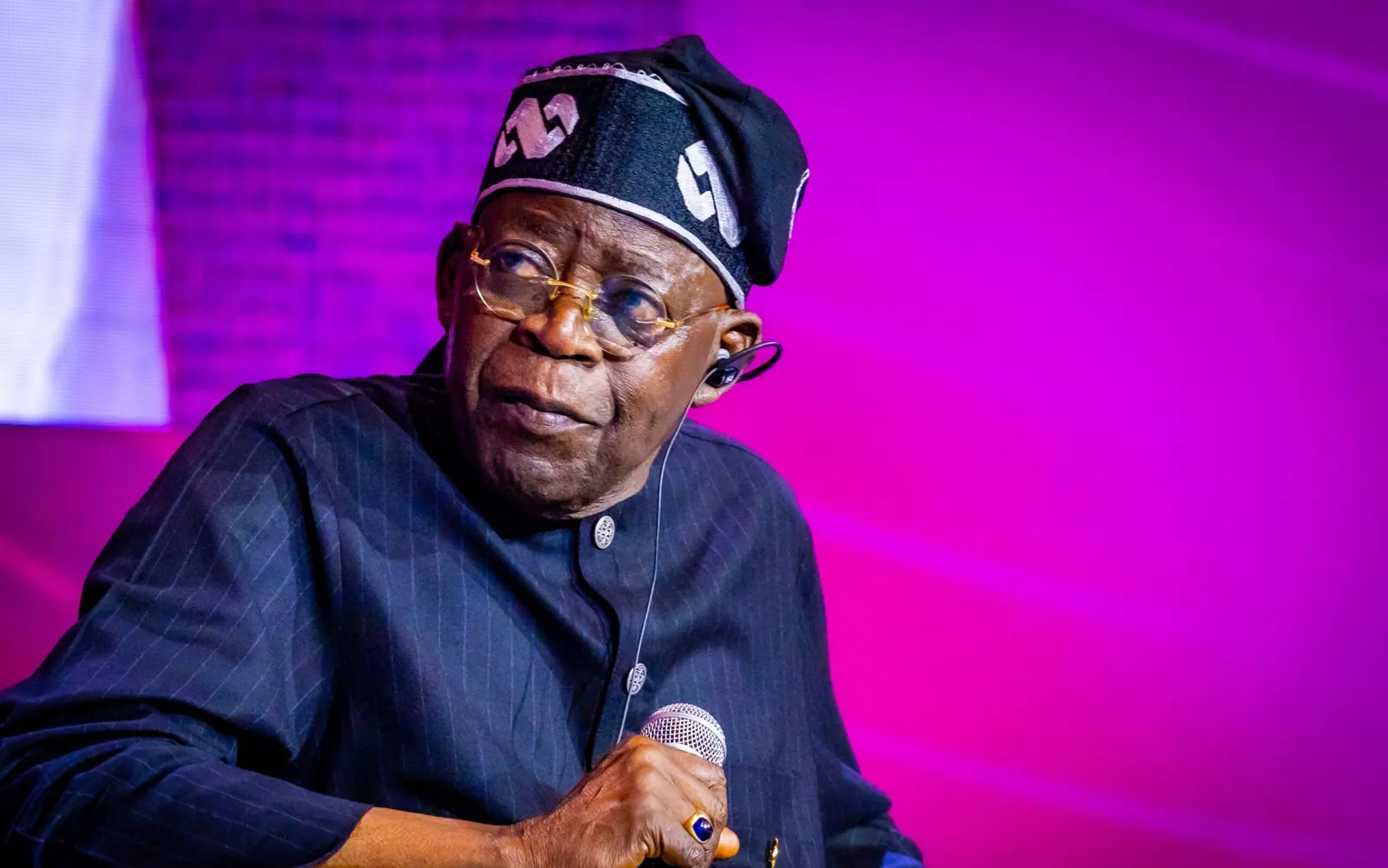
President Bola Tinubu addressed Nigerians on Thursday to commemorate the country's 66th Independence Day, highlighting his administration's economic achievements and outlining its priorities for the years ahead. He stated that oil theft has declined in Nigeria, contributing to the country's improved economic performance. The president attributed the improvement to growth in the oil and non-oil sectors.
According to President Tinubu, the Nigerian economy grew by more than four per cent in 2026, and inflation declined substantially from its peak. He also mentioned that foreign reserves increased, and the foreign exchange market stabilised. These economic achievements reflect the government's efforts to address longstanding structural weaknesses in the economy.
President Tinubu highlighted that Nigeria recorded its highest-ever non-oil export revenue in 2025, exceeding $6 billion. This reflects the growing contribution of Nigerian businesses to the economy. The president stated that both oil and non-oil sectors have contributed to the renewed period of stable growth, adding that the reduction in oil theft had contributed to improvements in the oil sector.
Oil theft and pipeline vandalism remain major challenges to Nigeria's oil and gas industry, causing substantial revenue losses, production disruptions, and higher costs to secure and maintain petroleum infrastructure. The president's call to curb oil theft comes amid the federal government's efforts to improve crude oil production, strengthen pipeline security, and attract fresh investment into the sector.
The Tinubu administration has focused on reforming the oil and gas sector since assuming office in May 2023. The reforms have coincided with renewed investor interest in Nigeria's oil and gas industry, including exploration and development opportunities in shallow-water, deepwater, and offshore assets. Major international oil companies, including Shell and TotalEnergies, have continued to pursue investment opportunities in Nigeria's energy sector.
President Tinubu defended his administration's economic reforms, arguing they had addressed longstanding structural weaknesses in the economy. He likened the reforms to medical treatment for a serious illness, saying previous administrations had focused on addressing the symptoms of economic problems rather than tackling their underlying causes. The president urged Nigerians to sustain the reforms.
The government has completed the emergency phase of economic reforms and is now focused on translating economic stability into improved living conditions, employment opportunities, and higher productivity. President Tinubu warned against a return to what he described as inefficient subsidy arrangements that placed considerable pressure on public finances. The administration is working to improve the operating environment for oil and gas companies through policy reforms, regulatory changes, and efforts to address security challenges affecting production and infrastructure.
Key points
- President Bola Tinubu says oil theft in Nigeria has declined.
- Nigeria's economy grew by more than four per cent in 2026.
- The country recorded its highest-ever non-oil export revenue in 2025, exceeding $6 billion.