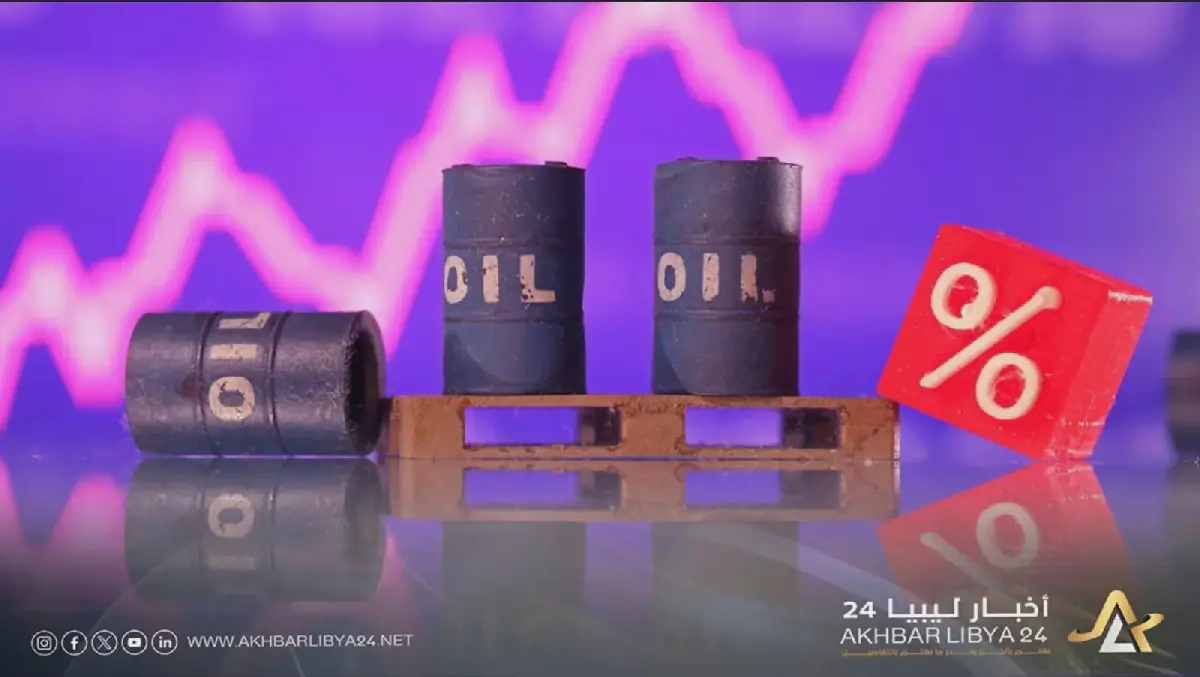
Oil prices rose sharply in early trading on Friday, fueled by growing fears of supply shortages after recent attacks by Houthi rebels in Yemen on vital sites in Saudi Arabia. This has pushed prices towards their fourth consecutive monthly gain, the largest since July, amid heightened security tensions in the Middle East. The ongoing concerns have significant implications for the global oil market.
By early morning, Brent crude futures had increased by 86 cents to reach $115.74 per barrel, while US West Texas Intermediate crude futures rose by 72 cents to $102.72 per barrel. On a monthly basis, Brent crude is poised to gain around 14%, and US crude about 15%, marking the first time both have closed above $100 per barrel since April.
The surge in oil prices comes after Houthi rebels claimed responsibility for attacks on major energy facilities in Saudi Arabia, including the Ras Tanura refinery, Rabigh refinery, and an Aramco facility in Buqeiq. The attacks have raised concerns about potential disruptions to global oil supplies. In response, the Arab coalition announced that they had intercepted a cruise missile launched towards the western region.
Analysts have noted that the ongoing military operations near the Strait of Hormuz and the lack of diplomatic progress will likely keep prices elevated in anticipation of potential escalation. The situation remains volatile, with various factors contributing to the price increases. Any further developments in the region could have significant impacts on global oil markets.
In a related development, reports emerged of communication between Washington and Tehran aimed at reviving talks to halt the war, with mixed reactions. Meanwhile, the Iranian Revolutionary Guard announced that three tankers had exploded due to sea mines south of the Strait of Hormuz. These incidents have added to the security concerns in the region.
The escalating security fears have prompted major companies such as ExxonMobil and Chevron to cancel the participation of their executives in the largest oil exhibition in the UAE, scheduled for next week. This decision reflects the growing unease among industry players regarding the situation in the Middle East.
The ongoing tensions in the Middle East continue to have a significant impact on global oil prices. With various factors at play, including supply concerns and geopolitical risks, market participants remain cautious about the potential for further price increases. The situation will likely continue to be closely monitored for any developments that could affect the global oil market.
Key points
- Oil prices have surged due to concerns over supply shortages following recent attacks in Yemen and Saudi Arabia.
- Brent crude futures have reached $115.74 per barrel, while US crude futures are at $102.72 per barrel.
- The ongoing tensions in the Middle East are likely to keep oil prices elevated in anticipation of potential escalation.