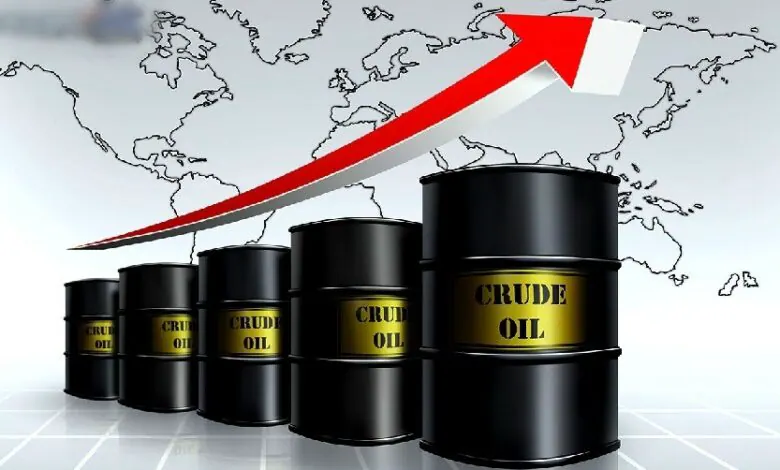
Oil prices saw a significant increase in early Monday trading, with Brent crude futures rising by $1.82, or 1.74%, to reach $106.14 per barrel. This surge in prices comes after a series of fluctuations in the global oil market. The West Texas Intermediate crude also experienced a notable increase, rising by 1.23%, or $1.14, to reach $93.55 per barrel. This development has garnered attention from market analysts and traders.
The recent increase in oil prices can be attributed to various factors, including changes in global demand and supply dynamics. The ongoing efforts of oil-producing countries to stabilize the market have also played a crucial role in shaping prices. Additionally, geopolitical tensions and economic trends have contributed to the volatility in the oil market. As a result, market participants are closely monitoring these factors to gauge future price movements.
This recent price increase marks a departure from the trends observed in the preceding weeks. On September 15, oil prices experienced a decline, while on September 21, they rose by more than $3. These fluctuations underscore the inherent volatility in the global oil market. Moreover, the Algerian government's stance on oil production and export has been closely watched, given the country's significant role in the global energy landscape.
The Organization of the Petroleum Exporting Countries (OPEC) has been actively working to stabilize the global oil market. An agreement reached within the organization has been hailed as a strategic turning point in the global oil market. Algeria, as a key player in OPEC, has been instrumental in shaping the organization's policies and decisions. The country's commitment to maintaining stability in the oil market has been emphasized in recent statements.
The global oil market continues to face challenges, including disruptions in supply chains and shifts in demand patterns. The ongoing situation in various regions, including the Middle East and Africa, has raised concerns about potential supply disruptions. As a result, market participants are closely monitoring developments in these regions to assess their impact on oil prices.
The impact of oil price fluctuations is felt across various sectors, including the global economy and industries reliant on oil. The recent price increase may have implications for inflation, economic growth, and consumer spending. Moreover, countries heavily dependent on oil imports, such as Algeria, are likely to be affected by changes in global oil prices.
As the global oil market continues to evolve, market participants will be closely watching factors that influence prices. The ongoing efforts of OPEC and other oil-producing countries to stabilize the market will be crucial in shaping future price trends. Additionally, geopolitical developments, economic trends, and changes in global demand and supply dynamics will play a significant role in determining oil prices in the coming days and weeks.
Key points
- Oil prices rose over 1% in early Monday trading, with Brent crude reaching $106.14 per barrel and West Texas Intermediate crude reaching $93.55 per barrel.