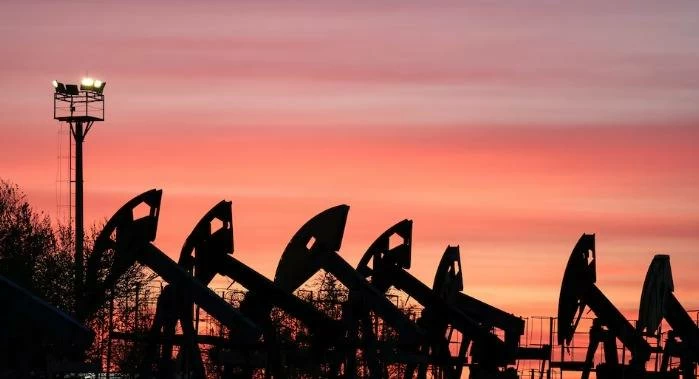
Oil prices rose by more than 1% in Monday's trading, driven by rising tensions in the Middle East. The increase comes after US President Donald Trump rejected an Iranian peace proposal that included reopening the Strait of Hormuz. According to Reuters, Brent crude futures rose by $1.32, or 1.27%, to $105.64 per barrel, while US West Texas Intermediate crude increased by 70 cents, or 0.76%, to $93.11 per barrel.
Iran had announced the peace proposal during the United Nations General Assembly in New York last week, which was then conveyed to the US through Qatari mediators. However, Trump rejected the proposal on Saturday, although he expressed willingness to engage in further talks with Iranian negotiators this week. The ongoing tensions between the US and Iran have contributed to the rise in oil prices, as investors remain cautious about potential disruptions to oil supplies in the region.
Analysts at ANZ Bank noted that geopolitical risks remain high, particularly with continued Houthi and Iranian attacks on Saudi Arabia, which threaten oil flows in the region. The Saudi-led coalition in Yemen reported intercepting two ballistic missiles and two drones launched by Houthi forces towards the kingdom on Saturday. These developments have added to concerns about the security of oil supplies in the Middle East.
Despite a 0.4% increase in Brent crude last week, US West Texas Intermediate crude declined by 7.9% amid fears of a potential US ban on diesel exports to ease record-high prices. Such a ban could impact US refining products and lead to decreased supplies outside the US, potentially affecting European prices. ANZ Bank analysts warned that any restrictions on US diesel exports could have significant implications for global oil markets.
According to data from Kpler, exports of crude oil from major Middle Eastern producers reached 12.8 million barrels per day in September, the highest level since the conflict began in February. This increase was driven by higher exports from Saudi Arabia and the United Arab Emirates. The rise in exports followed improved shipping activity through the Strait of Hormuz, which is expected to reach around 7.4 million barrels per day in September.
The increase in oil exports from the Middle East was facilitated by the recovery of shipping operations through the Strait of Hormuz. Saudi Arabia also redirected its exports from the Red Sea port of Yanbu to the eastern port of Ras Tanura, following attacks that damaged the East-West pipeline. These developments have helped to offset some of the concerns about oil supply disruptions in the region.
The ongoing tensions between the US and Iran, combined with the fragile security situation in the Middle East, continue to influence oil prices. As investors monitor developments in the region, oil prices are likely to remain volatile. The situation remains complex, with multiple factors contributing to the fluctuations in oil prices, including geopolitical risks, supply and demand dynamics, and global economic trends.
Key points
- US President Donald Trump rejected an Iranian peace proposal that included reopening the Strait of Hormuz.
- Oil prices rose by over 1% on Monday, driven by rising tensions in the Middle East.
- Geopolitical risks remain high, particularly with continued Houthi and Iranian attacks on Saudi Arabia.