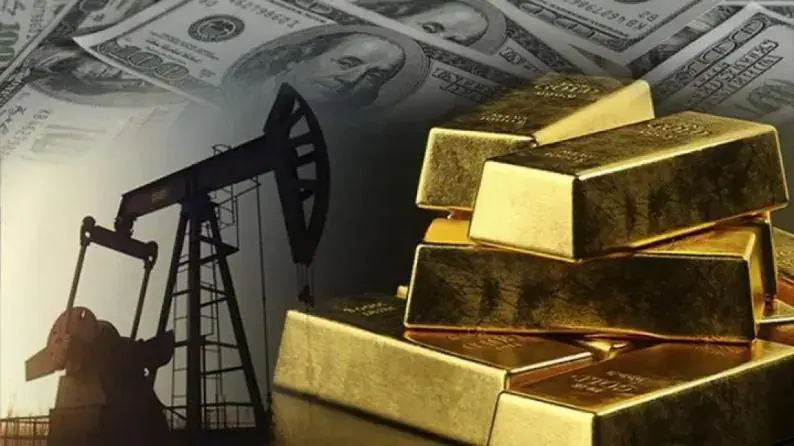
Oil prices rose on Friday, with Brent crude up 1.98% to $117.15 per barrel and US West Texas Intermediate crude up 1.75% to $103.79 per barrel. The increases were driven by concerns over potential disruptions to oil supplies through the Strait of Hormuz, a critical waterway for global oil exports. Tensions between the US and Iran have escalated, with the British Maritime Trade Operations agency reporting a tanker attack in the Strait of Hormuz.
The rise in oil prices was also fueled by the ongoing conflict in Yemen, with the Houthi group claiming responsibility for attacks on Saudi Arabian facilities, including a refinery and an Aramco facility. The Saudi-led coalition reported intercepting a cruise missile aimed at the western region of the kingdom. The increasing tensions have raised concerns about potential supply disruptions, contributing to the rise in oil prices.
Despite efforts by Qatari mediators to reach an agreement between the US and Iran, the outlook remains uncertain, with many expecting further escalation and potential disruptions to oil supplies in the coming weeks. This uncertainty has led to increased concerns among investors, contributing to the rise in oil prices. Meanwhile, US companies Exxon Mobil and Chevron have canceled plans to participate in a major oil conference in the UAE due to security concerns.
In contrast to the rise in oil prices, gold prices fell on Friday, down 0.6% to $1,995.42 per ounce. The decline was driven by increased expectations of a US interest rate hike in December, which has reduced the appeal of gold as an asset. The US GDP growth rate exceeded expectations in the previous quarter, and inflation accelerated in September, further supporting expectations of a rate hike.
The potential interest rate hike has contributed to a decline in gold prices, which are now on track to record a second consecutive monthly loss. The decline in gold prices has been accompanied by falls in other precious metals, including silver, platinum, and palladium. Silver fell 2.8% to $50.92 per ounce, platinum dropped 3.1% to $1,441.72 per ounce, and palladium declined 2.1% to $984.50 per ounce.
The increase in oil prices has raised concerns about inflation, which could lead to higher interest rates and reduced demand for gold. The relationship between oil prices and gold prices is complex, but the current trend suggests that higher oil prices could lead to increased inflation, making gold less attractive as an asset. This has contributed to the decline in gold prices, which have fallen by 3.8% since the start of October.
The current market trends suggest that oil prices will continue to be influenced by geopolitical tensions, while gold prices will be affected by US interest rate expectations. The ongoing conflict in Yemen and the tensions between the US and Iran will likely continue to impact oil prices, while the US economic data and interest rate expectations will influence gold prices. Investors will be closely monitoring these developments in the coming weeks.
Key points
- Oil prices rose on Friday, driven by concerns over escalating tensions between the US and Iran.
- Gold prices fell to their lowest level since mid-July, driven by increased expectations of a US interest rate hike in December.
- The increase in oil prices has raised concerns about inflation, which could lead to higher interest rates and reduced demand for gold.