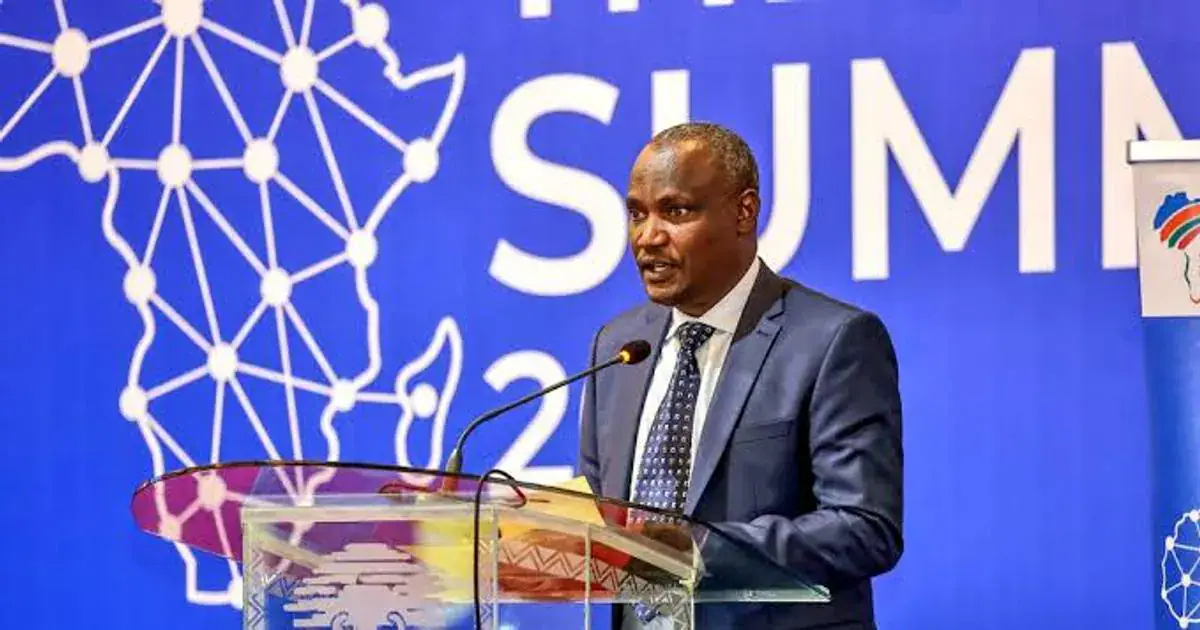
The Kenyan government has secured KSh 529 million to support climate-resilient agriculture, farmers, and emergency health preparedness. This funding comprises a KSh 270 million grant from the Bill and Melinda Gates Foundation and a KSh 259 million allocation from the United Nations. The funds will be used to enhance agricultural productivity and strengthen the country's health response mechanisms.
The KSh 270 million grant, known as the Climate Smart Agribusiness Partnerships for Resilience (CSAPR) Grant Agreement, was signed on October 29, 2026, by Cabinet Secretary for Finance John Mbadi. The initiative aims to integrate real-time meteorological insights into Kenya's agricultural supply chains, enabling farmers to anticipate and adapt to climate-related risks. The grant will be administered through the International Fund for Agricultural Development (IFAD).
The CSAPR framework seeks to equip agribusiness entrepreneurs, pastoralists, and smallholder farmers with actionable environmental data. This will enable producers to anticipate unpredictable rainfall patterns, manage drought risks, and optimize crop yields despite changing climate conditions. The agreement was finalized during a bilateral meeting between CS Mbadi and IFAD's Country Director, Matteo Marchisio.
In a parallel development, the United Nations has allocated KSh 259 million to fortify national health response mechanisms against public health threats, including Ebola virus disease preparedness. The emergency funding will be channeled through the Kenya Humanitarian Fund to support government-led health interventions. UN officials commended the Kenyan government for taking early ownership and establishing strong national leadership in managing regional health risks.
The UN resources will finance several high-priority preventative measures, including border screening and surveillance, frontline worker training, refugee corridor preparedness, and distribution of medical supplies and public awareness campaigns. These initiatives aim to enhance Kenya's preparedness and response to public health emergencies.
Cabinet Secretary for Finance John Mbadi emphasized that private-public agribusiness partnerships remain central to achieving long-term economic stability. IFAD's Country Director, Matteo Marchisio, reaffirmed the organization's commitment to advancing rural development, enhancing food security, and improving livelihoods across Kenya's agricultural landscape.
The dual financial injections from international partners mark a significant boost for Kenya's resilience strategy, bolstering both rural agricultural livelihoods against climate shocks and public health safety nets against global epidemiological threats. The funding will support the government's efforts to promote sustainable agriculture and improve the country's health response mechanisms.
Key points
- The Kenyan government has secured KSh 529 million in funding for climate-resilient agriculture and emergency health preparedness.
- The funding comprises a KSh 270 million grant from the Bill and Melinda Gates Foundation and a KSh 259 million allocation from the United Nations.
- The initiatives aim to enhance agricultural productivity, strengthen the country's health response mechanisms, and promote sustainable agriculture.