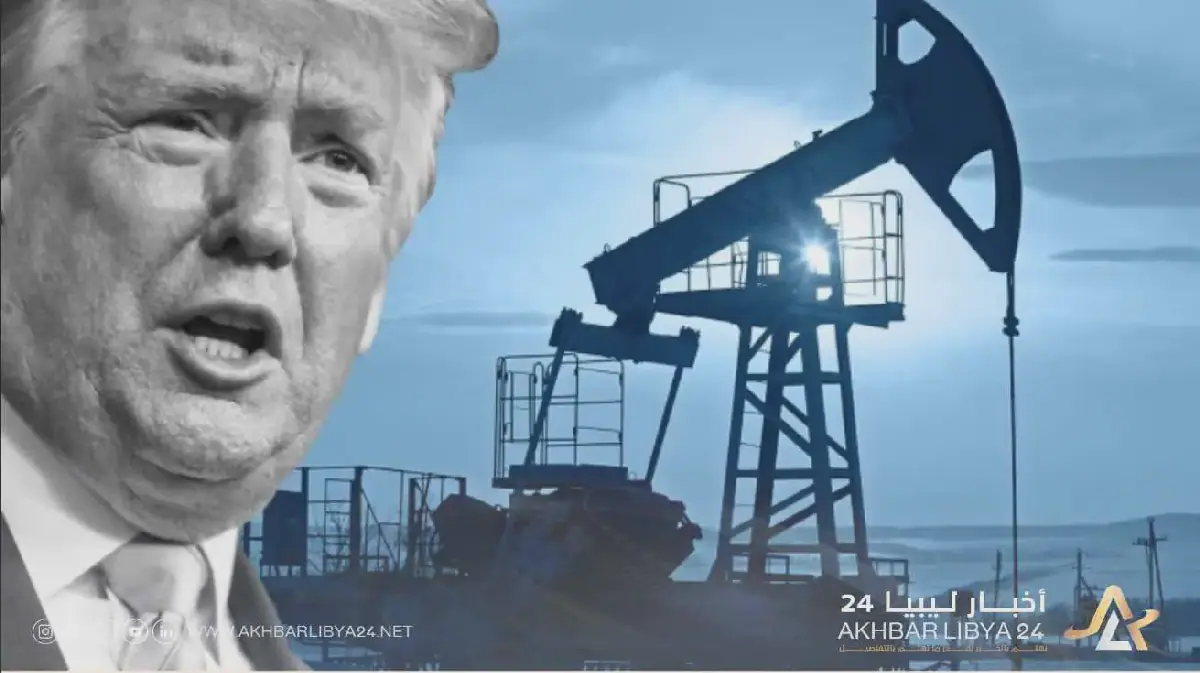
Oil prices rose during a volatile session as investors awaited developments in the US-Iran conflict and the outcome of the US midterm elections. The elections indicated that Democrats had secured a majority in Congress. This development has significant implications for the oil market, as it may influence US foreign policy, including its stance on Iran.
The price of Brent crude oil increased by 82 cents to reach $104.42 per barrel, while US crude oil prices rose by 50 cents to $96.59 per barrel. These price movements reflect the market's sensitivity to geopolitical events and changes in global supply and demand dynamics. The ongoing conflict between the US and Iran remains a critical factor influencing oil prices.
Market participants are closely monitoring the US-Iran conflict, with mixed signals from the US administration regarding potential military strikes and escalation. This uncertainty has made it challenging for investors to form a clear view of future market trends. Despite profit-taking and position adjustments after previous price increases, concerns about potential disruptions to oil supplies through the Strait of Hormuz continue to weigh on the market.
According to data from the American Petroleum Institute, US crude oil inventories declined by 5.27 million barrels in the week ending October 30. This decline contrasts with analysts' expectations of a slight increase. The decrease in inventories has contributed to the upward pressure on oil prices, as it suggests a tighter global supply-demand balance.
In addition to the decline in crude oil inventories, gasoline stocks increased, while distillate stocks decreased. Market participants are now awaiting official data from the US Energy Information Administration to gain a more accurate understanding of the current supply-demand dynamics in the global oil market.
The US midterm elections have significant implications for the oil market, as a Democratic-controlled Congress may adopt a different approach to US foreign policy, including its stance on Iran. This potential shift in policy could have far-reaching consequences for the global oil market, particularly if it leads to changes in US sanctions on Iran.
The ongoing volatility in oil prices reflects the complex interplay of geopolitical events, supply and demand dynamics, and market sentiment. As investors continue to assess the implications of the US congressional elections and the US-Iran conflict, oil prices are likely to remain sensitive to developments on both fronts.
Key points
- Oil prices rose due to the US congressional elections and a decline in US crude inventories.
- The US-Iran conflict remains a critical factor influencing oil prices.
- A Democratic-controlled US Congress may adopt a different approach to US foreign policy, including its stance on Iran.