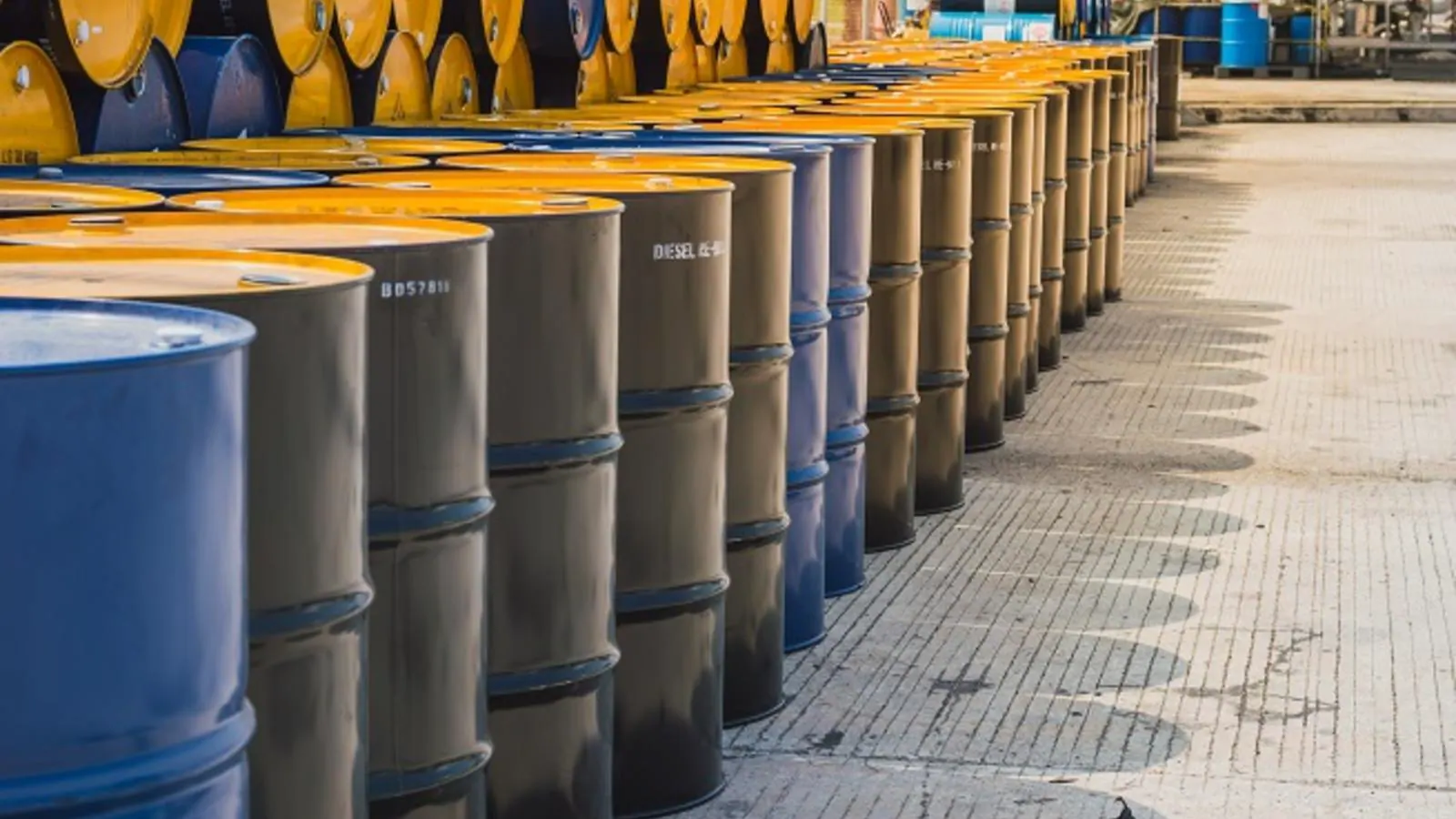
Oil prices rose on Tuesday, with investors eagerly awaiting developments in potential talks between the US and Iran on the sidelines of the UN General Assembly meetings this week. As of 09:15 Moscow time, October futures for US West Texas Intermediate crude climbed 1.69% to $97.40 per barrel. Meanwhile, November futures for global benchmark Brent crude rose 1.79% to $102.41 per barrel.
The increase in oil prices comes after Iran and the US exchanged threats on Sunday. However, US President Donald Trump stated that he is open to meeting his Iranian counterpart, Masoud Pezeshkian, who is expected to be in New York this week for the UN General Assembly meetings. This development has led to a cautious optimism in the market, with traders adjusting their positions.
According to Tim Waterer, chief market analyst at KCM Trade, the rise in West Texas Intermediate and Brent crude appears to be a traditional rebound resulting from covering short positions after recent declines, rather than a fundamental shift in market basics. He added that traders who bet on further declines are reducing some risks as diplomatic events unfold.
The potential talks between the US and Iran have sparked hopes of a possible easing of tensions between the two nations. Any progress in these talks could lead to an increase in oil supply, which has been a concern for the market in recent times. However, analysts remain cautious, citing the complexities of the issues at play.
The UN General Assembly meetings provide a platform for world leaders to engage in diplomatic efforts. The presence of Pezeshkian and Trump at the meetings has raised expectations of a possible encounter between the two leaders. However, the outcome of such a meeting remains uncertain, and traders are advised to remain vigilant.
The oil market has been volatile in recent times, with prices influenced by a range of factors, including geopolitical tensions, supply and demand dynamics, and economic trends. As the situation between the US and Iran continues to evolve, traders are likely to remain cautious, closely monitoring developments that could impact oil prices.
In related news, Tunisia's economic and business news has been focused on other issues, including the partial disruption of train services between Tunis and Jebel Jelloud, and the opening of applications for financing projects for young people in several governorates. These developments highlight the diverse range of issues currently affecting the region.
Key points
- The rise in oil prices is driven by anticipation of potential US-Iran talks at the UN General Assembly.
- The outcome of any meeting between US President Donald Trump and Iranian President Masoud Pezeshkian remains uncertain.
- The oil market remains volatile, influenced by a range of factors, including geopolitical tensions and supply and demand dynamics.