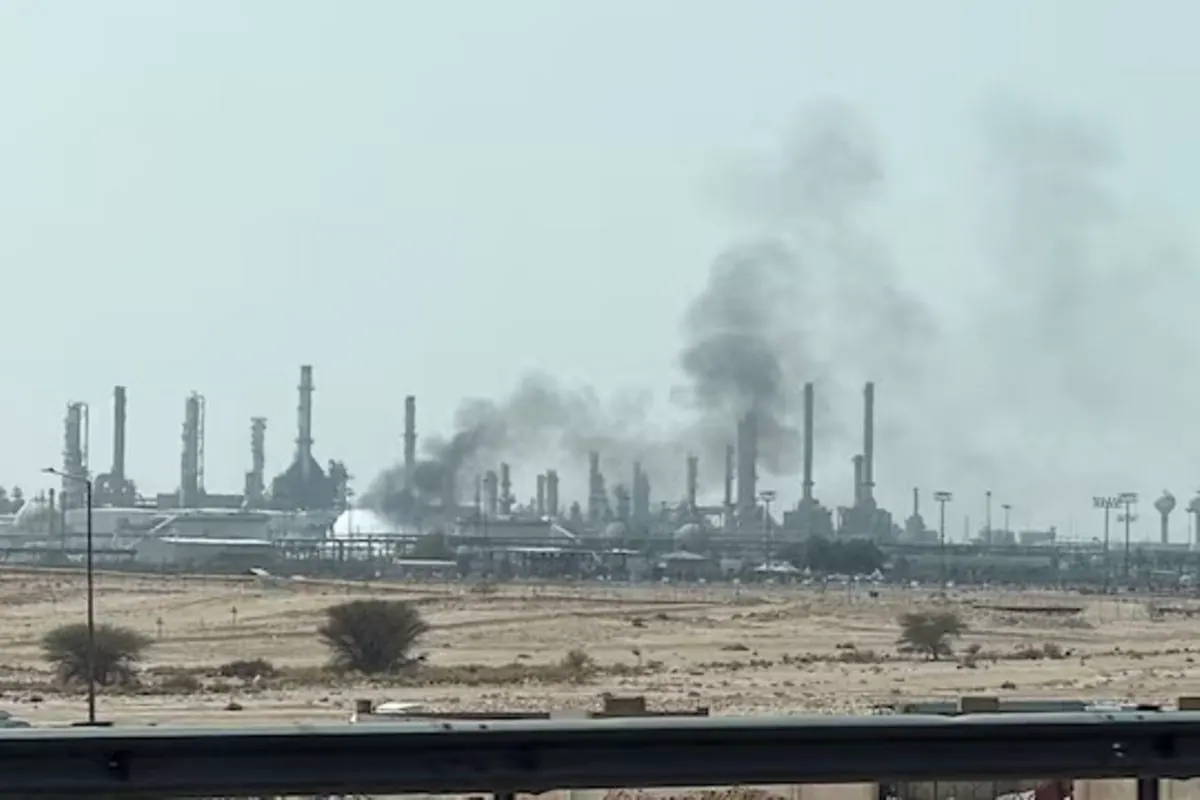
Oil prices remained stable on Wednesday, with Brent futures holding above $100 a barrel. This stability comes as investors weigh higher Gulf exports against ongoing supply risks from the Middle East conflict and a storm heading for oil-producing regions in the United States. At 0800 GMT, Brent crude futures rose 35 cents, or 0.35 percent, to $100.93 a barrel. US West Texas Intermediate (WTI) crude gained 15 cents, or 0.17 percent, to $89.59.
According to ING commodity strategists, the market is likely to remain nervous about potential supply disruptions. They noted that Middle East supply risks are still very real, with continued attacks on ships. However, supply has been recovering, with Saudi Arabia's East-West pipeline increasing flows to 5.8 million barrels per day. This was announced by the kingdom's energy minister, Prince Abdulaziz bin Salman, on Tuesday.
The head of Vitol reported that about 12 million barrels per day (bpd) of crude oil and 2 million bpd of refined products have left the Middle East on tankers in the past 7 to 10 days. Despite this, investor sentiment lacks conviction that recent rises in supply and exports from the Middle East are sustainable. PVM analyst Tamas Varga attributed this to concerns about the long-term viability of these increases.
The Middle East conflict continues to escalate, with Saudi Arabia's airports in Jazan and Najran being hit in two attacks on Monday evening. The Saudi aviation authority reported these attacks, which were carried out by Yemen's Iran-backed Houthis. This escalation has raised concerns about the potential for further supply disruptions in the region.
US-Iran relations remain strained, with US President Donald Trump stating on Tuesday that nobody knew who was running Iran during the eight-month US-Israeli war with Iran. This lack of clarity has contributed to ongoing tensions between the two countries. Meanwhile, US forecasters have warned that a storm forming in the Gulf of Mexico is likely to become the first Atlantic hurricane of 2026 within two days.
The storm is expected to hit oil and gas facilities, with offshore areas in its path producing 15 percent of US crude oil and 5 percent of the country's natural gas. KCM Trade chief analyst Tim Waterer described the storm as an "unwelcome complication for crude," raising the prospect of production and refining disruptions at a time when the market already faces supply-side headaches.
The storm could affect six refineries, with refineries in US Gulf states accounting for about 50 percent of the national capacity of 18.2 million bpd. US stocks ended higher on Tuesday, with the Dow, S&P 500, and Nasdaq each adding roughly half a percent. The market remains cautious, balancing the potential for supply disruptions against increased exports from the Middle East.
Key points
- Oil prices remain stable due to higher Middle East exports offsetting supply threats.
- The market is likely to remain nervous about potential supply disruptions due to the Middle East conflict and a storm heading for US oil-producing regions.
- The storm in the Gulf of Mexico could affect six refineries and disrupt production and refining operations.