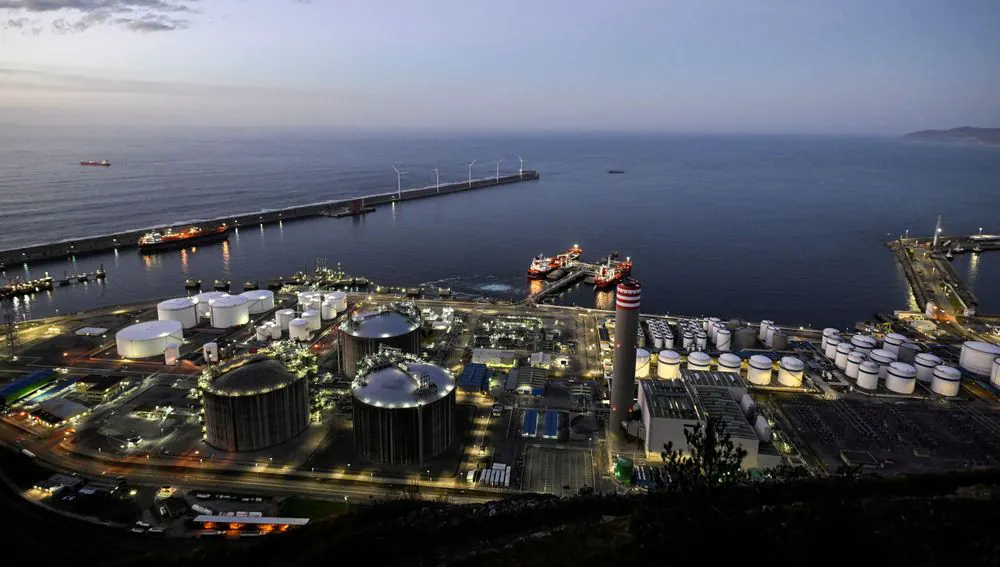
On Wednesday, oil prices edged up slightly after experiencing significant losses the previous day. Brent crude, a key benchmark, remained above $100 per barrel. This recovery was driven by various factors, including Saudi Arabia's restoration of about half the capacity of its East-West pipeline. The pipeline had been closed following drone attacks earlier this month.
The oil price surge has sparked inflation concerns, putting pressure on central banks to consider interest rate hikes. In the US, 30-year Treasury yields have reached a 24-year high of over 5.6 percent, while the benchmark 10-year yield stands above 5.2 percent, its highest level since 2007. These developments have contributed to a cautious market sentiment.
Despite the retreat on Wall Street, Asian stocks mostly rose on Wednesday. Major markets, including Tokyo, Shanghai, Sydney, Seoul, Wellington, Taipei, Singapore, and Manila, saw gains, although Hong Kong dipped slightly. The positive movement was influenced by the release of Chinese factory activity data, which showed growth for the first time since June.
Investors are eagerly awaiting the release of personal consumption expenditure data for October, which is expected to play a crucial role in the Federal Reserve's decision on interest rates next month. A strong reading could make a second successive rate hike almost certain. However, New York Fed chief John Williams offered some hope that the bank might hold off, stating that one more rate hike could occur "this year."
The US-Iran conflict and its impact on oil supplies have been closely monitored by investors. Hopes for a potential deal to end the conflict and reopen the Strait of Hormuz have contributed to fluctuations in oil prices. However, talks remain at a standstill, with both sides providing mixed messaging.
The Trump administration's decision to release more oil from US emergency reserves has also influenced market dynamics. This move, combined with Saudi Arabia's efforts to restore its pipeline capacity, has driven a repricing of crude oil. As a result, Brent crude edged up to $103.73 per barrel, while West Texas Intermediate rose to $89.70 per barrel.
Key market indicators showed mixed results at around 10:30 pm SA time. The Tokyo Nikkei 225 was up 1.3 percent at 66,318.81, while the Hong Kong Hang Seng Index dipped 0.2 percent to 24,482.55. The Shanghai Composite rose 0.3 percent to 3,840.91, and West Texas Intermediate was up 0.4 percent at $89.70 per barrel.
Key points
- Oil prices recover slightly after heavy losses, driven by Saudi Arabia's pipeline restoration and US emergency reserve releases.
- Stocks mostly rise ahead of US inflation data, with Asian markets showing gains despite Wall Street's retreat.
- US interest rate decisions remain in focus, with the Federal Reserve's preferred gauge of inflation set to be released.