Oil prices experienced a decline on Monday due to an increase in Middle East crude exports and the release of oil stocks by the Group of Seven nations. This development has boosted supplies, offsetting concerns about potential damage to Gulf oil infrastructure. Brent crude futures fell 72 cents, or 0.71%, to $101.59 a barrel at 0634 GMT, while US West Texas Intermediate crude was at $90.05 a barrel, down $1.05, or 1.2%.
The G7 countries agreed on Friday to release 100 million barrels of diesel and crude from emergency reserves. They also pledged to refrain from energy export restrictions, following pressure from US President Donald Trump. As a result, Brent crude gave up most of its gains from the previous week, while WTI was 1.6% lower. The release of emergency stocks aims to stabilize the oil market and mitigate potential supply disruptions.
Middle Eastern crude exports have risen above pre-war levels in four of the seven days of the final week of September, according to shipping data. This increase in exports has contributed to the decline in oil prices, despite attacks on vessels passing through the Strait of Hormuz. The rise in exports suggests that oil producers are working to restore supply chains and meet global demand.
The G7 decision to tap strategic reserves has reduced immediate supply anxiety, allowing prices to subdue for now. However, risks of further damage to energy infrastructure in the Gulf region remain. Tim Waterer, chief analyst at KCM Trade, noted that the combination of increased Middle Eastern exports and the G7's release of emergency stocks is enough to keep prices in check.
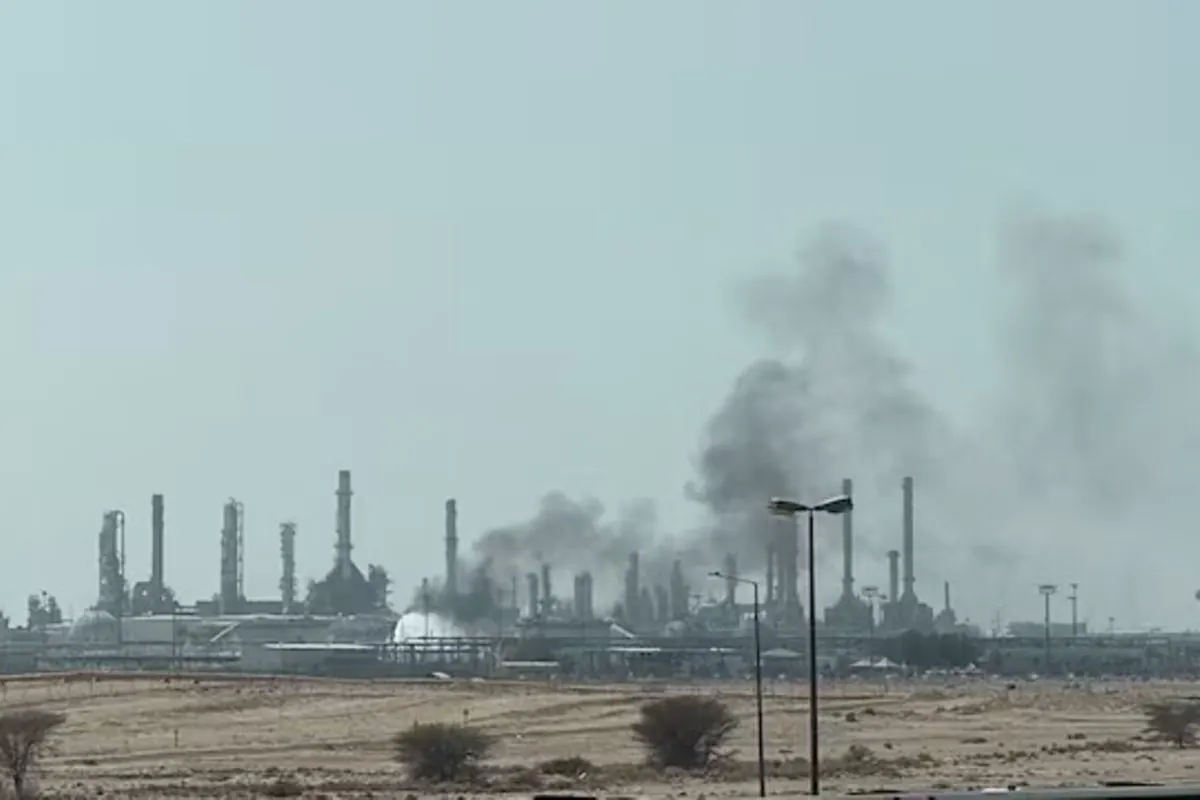
Geopolitical tensions in the region continue to impact oil prices. The Houthis have launched ballistic missiles and drones at Saudi Aramco sites in Riyadh and the Khurais area of Saudi Arabia. In response, Yemen's Saudi-backed government has launched a major military campaign to recapture areas controlled by the Iran-backed Houthis. These developments have contributed to persistent tensions in the region.
Aramco has unexpectedly cut November crude oil prices for Asia to six-year lows. ING analysts noted that Brent prices continue to stay above $100 per barrel due to ongoing geopolitical tensions and an increase in attacks on commercial vessels in the Gulf. The uncertainty surrounding future production potential has also led to delayed reviews of oil output quotas for OPEC+ members.
The global economic implications of these developments are being closely watched. US stocks rallied on Friday, with the Dow gaining half a percent, the S&P 500 adding about three-quarters of a percent, and the Nasdaq climbing more than one percent. Meanwhile, Ukrainian President Volodymyr Zelenskiy stated that Ukraine will intensify its efforts to attack Russian oil refineries.
Key points
- Oil prices fell due to increased Middle East crude exports and the G7's release of emergency oil stocks.
- The G7 countries agreed to release 100 million barrels of diesel and crude from emergency reserves.
- Geopolitical tensions in the region continue to impact oil prices, with Brent staying above $100 per barrel.