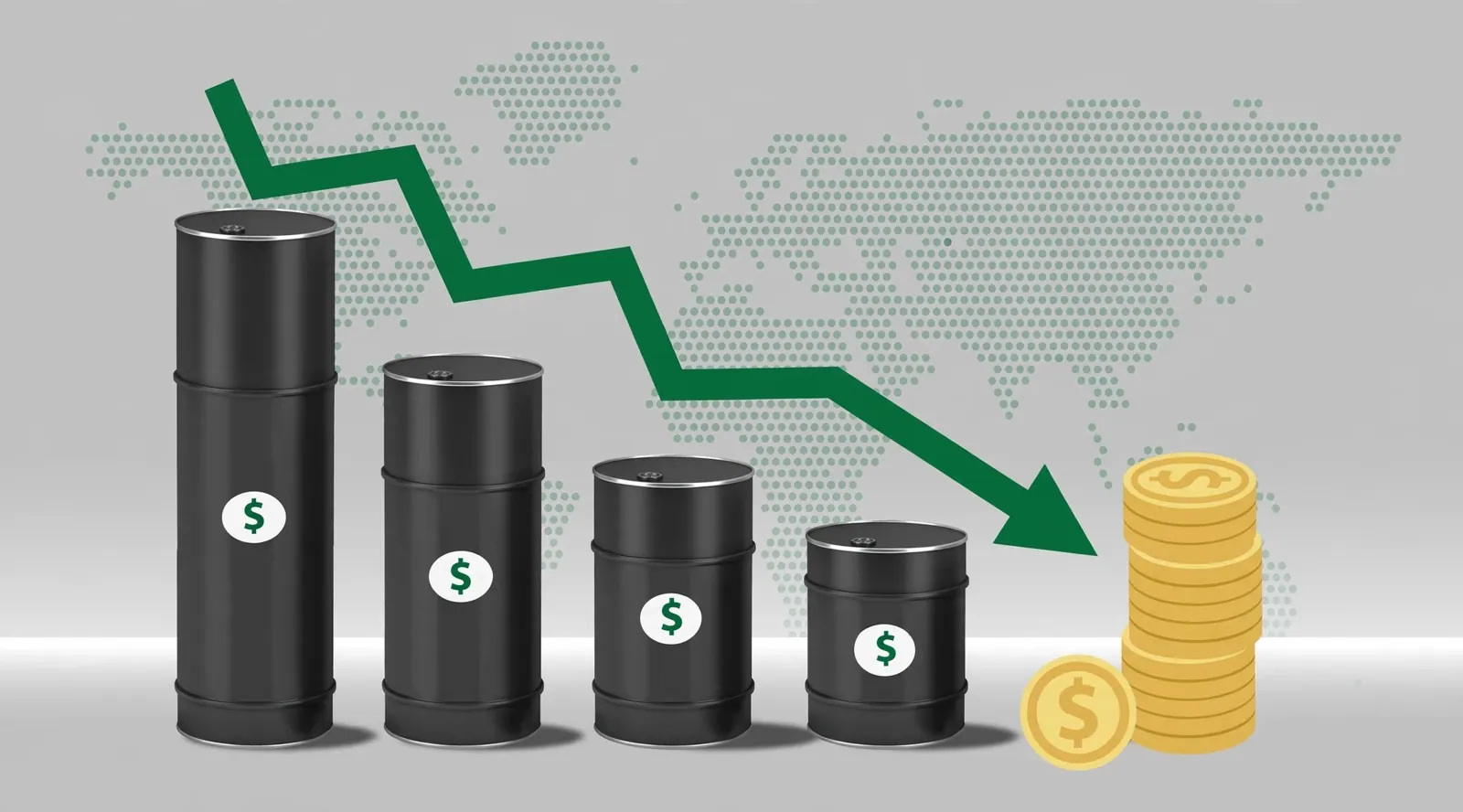
Global oil prices experienced a decline on Monday, following a recovery in crude exports from the Middle East and plans by the Group of Seven (G7) countries to release emergency oil reserves. This development eased concerns about possible supply shortages. Brent crude futures fell 66 cents, or 0.65%, to $101.59 a barrel at 0240 GMT, while US West Texas Intermediate (WTI) crude declined 95 cents, or 1.03%, to $90.12 a barrel.
The decline in oil prices came after the G7’s decision on Friday to release 100 million barrels of crude oil and diesel from strategic emergency reserves. The group also pledged to avoid imposing restrictions on energy exports, following pressure from US President Donald Trump. This planned release is expected to provide additional supplies to the international market at a time when geopolitical tensions continue to threaten oil production and transportation routes in the Middle East.
The easing in prices was also attributed to Middle Eastern crude exports showing signs of recovery. Shipping data indicated that crude exports rose above pre-war levels on four of the seven days during the final week of September, despite attacks on commercial vessels travelling through the Strait of Hormuz. Tim Waterer, Chief Analyst at KCM Trade, noted that the G7’s decision had eased some of the immediate concerns about a potential supply shortage.
However, concerns over supply disruptions remain heightened following reported attacks involving Yemen’s Iran-backed Houthi movement. The Houthis claimed to have launched ballistic missiles and drones targeting Saudi Aramco facilities in Riyadh and the Khurais area, in response to Saudi-led air and missile strikes in Yemen. Saudi Arabia has not confirmed the reported attacks. Meanwhile, Yemen’s Saudi-backed, internationally recognised government announced a major military campaign to retake territories controlled by the Houthis.
Despite Monday’s decline, Brent crude remains above $100 a barrel. Analysts at ING stated that persistent geopolitical tensions and increased attacks on commercial vessels in the Gulf continue to provide support for oil prices. Additionally, Saudi Aramco has unexpectedly reduced its November crude prices for Asian buyers to their lowest level in six years, which could signal weaker demand expectations in one of the company’s key markets.
OPEC+ has postponed a review that was expected to help determine oil production quotas for 2027. Sources familiar with the matter attributed the delay to the war involving Iran, which has disrupted projects aimed at expanding oil production capacity across the Middle East, increasing uncertainty over future supply levels. The delay comes as oil-producing countries assess the potential impact of regional instability on production capacity and investment plans.
The combination of geopolitical tensions in the Middle East, uncertainty over OPEC+ production plans, attacks on energy infrastructure, and potential disruptions to Russian refining capacity means the global oil market remains highly sensitive to developments on several fronts. For now, recovering Middle Eastern exports and the planned G7 emergency stock release have provided some relief to supply concerns, contributing to Monday’s decline in crude prices.
Key points
- The G7 plans to release 100 million barrels of crude oil and diesel from strategic emergency reserves.
- Middle Eastern crude exports have shown signs of recovery.
- Geopolitical tensions in the Middle East continue to threaten oil production and transportation routes.