Soweto, a township in South Africa, is renowned for producing iconic world champions such as Dingaan Thobela, Lehlohonolo Ledwaba, and Jacob Matlala. These boxers, known for their exceptional skills, achieved greatness under the guidance of veteran trainers like Norman "Hitachi" Hlabane, David Kgotsane, and Theo "The Black Panther" Mthembu. Their success can be attributed to the support of respected promoters, including Thinus Strydom, Rodney Berman, and Mike "Tongue of Stone" Segal. However, with these champions having passed on, the local boxing ecosystem requires targeted interventions to thrive again.
The Soweto boxing scene has seen recent milestones, including the renovation of the historic Dube Boxing Gym and the emergence of raw talents like Mpendulo "Answer" Msimanga. Nevertheless, a permanent revival depends on overcoming systemic bottlenecks. Veteran trainer Norman "Hitachi" Hlabane faces challenges, including a lack of financial backing, administrative resources, and a promotional network to manage elite fighters sustainably. He currently lacks a reliable place to train fighters, hindering his ability to nurture new talent.
Soweto possesses an invaluable asset – a repository of accomplished former champions, such as William "Dynamite" Gare and Bongani "Cyclone" Mwelase, who are eager to pass down their skills. Providing local mentors with formal business management training and institutional backing from the Gauteng sports department would keep world-class expertise in the community. For instance, Stephen Msimanga trains his son and other amateur and professional athletes in makeshift backyards or poorly equipped environments due to a lack of resources.
Township facilities often lack modern equipment, causing rising stars to migrate to better-funded suburban gyms. To reverse this trend, Soweto needs consistent funding to upgrade local centres, mirroring the recent revitalisation of the Dube Boxing Club. Bringing boxing back to the people requires using active neighbourhood venues, such as the Eyethu Heritage Hall in Mofolo or Uncle Tom's Community Centre in Orlando West, and Orlando Communal Hall in Orlando East.
Historically, boxing was a cornerstone of youth discipline and community organising in Soweto. Local trainers stress that boxing shouldn't just be viewed as a rehabilitation tool for youth already struggling with social ills but rather introduced proactively from a young age. Reintroducing amateur boxing clubs directly into the school curriculum and ensuring organisations like Boxing South Africa back local amateur structures will allow future contenders to hone their skills safely before turning professional.
Boxing thrived in Soweto primarily because it transformed into a powerful vehicle for political resistance, community cohesion, and social mobility during the oppressive decades of apartheid. The boxing ring provided an intense, paradoxically tolerated space where black South Africans could achieve public recognition and literally fight back against the regime. This aspect of boxing's history in Soweto highlights its significance beyond just a sport.
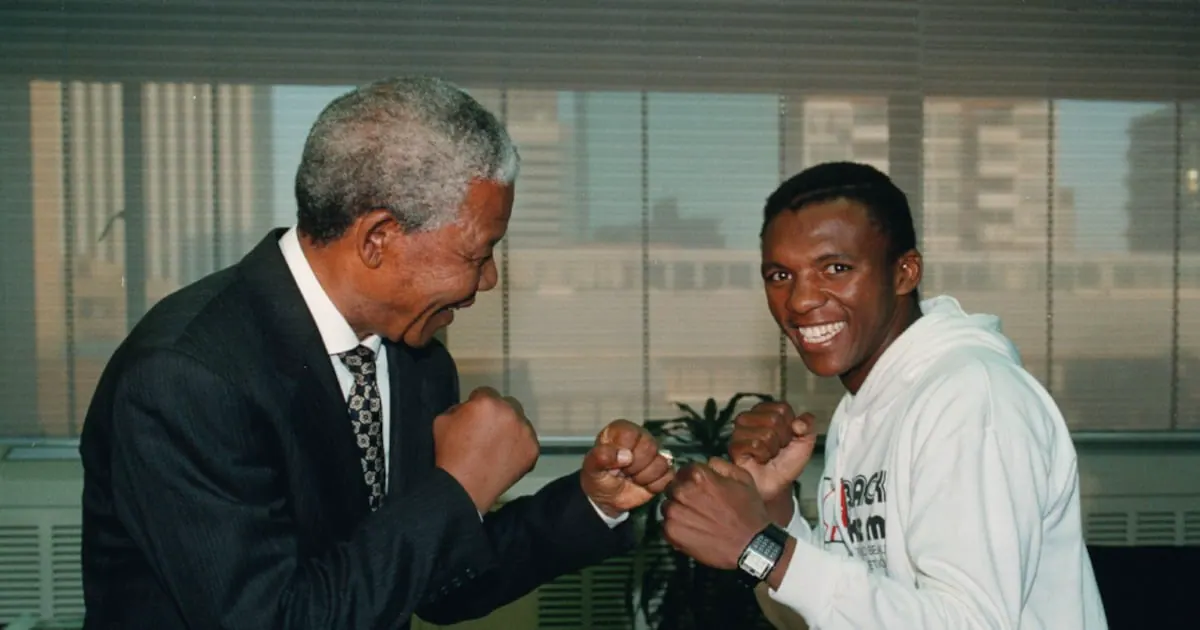
The global icon Nelson Mandela famously used the Donaldson Orlando Community Centre YMCA in Orlando East during the 1950s to train, finding that the discipline of boxing helped him cope with the psychological weight of the liberation struggle. As Soweto seeks to revive its boxing legacy, it can draw inspiration from its rich history and the significance of boxing in the community.
Key points
- Providing local mentors with formal business management training and institutional backing is crucial for sustaining world-class expertise in Soweto's boxing scene.
- Upgrading local facilities and introducing amateur boxing clubs into school curriculums are essential steps towards reviving boxing in Soweto.
- Boxing in Soweto has historically served as a vehicle for political resistance, community cohesion, and social mobility, highlighting its importance beyond just a sport.