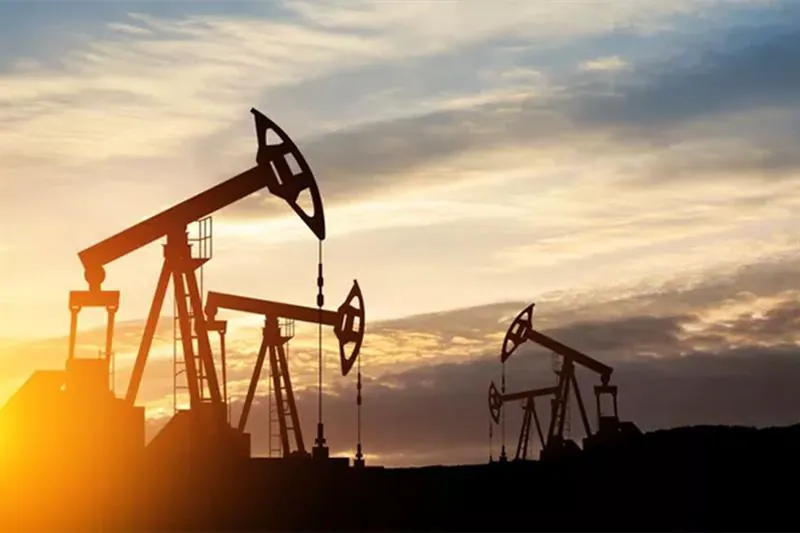
Global oil prices experienced a decline on Monday, with Brent crude, the international benchmark, falling 4.02% to $99.69 per barrel, and West Texas Intermediate (WTI) dropping 5.06% to $95.22 per barrel. This decrease is attributed to hopes of improved diplomatic relations in the Middle East, particularly with the upcoming United Nations General Assembly in New York. Investors are cautiously optimistic that renewed talks may help ease tensions in the region.
The International Energy Agency (IEA) recently revised its forecast for global oil demand in 2026 downward. This adjustment has contributed to the decline in oil prices. The IEA's revised forecast reflects ongoing concerns about the impact of the Middle East conflict on global energy markets. The agency's downward revision has added to the downward pressure on oil prices.
The Middle East conflict has been a significant factor influencing oil prices in recent weeks. The region's tensions have led to concerns about potential disruptions to oil supplies, driving prices up. However, with the upcoming diplomatic talks, investors are hoping for a de-escalation of tensions, which could help stabilize oil prices. The United Nations General Assembly provides a platform for world leaders to engage in discussions aimed at resolving the conflict.
Egypt, a significant player in the region, has been actively involved in efforts to promote stability in the Middle East. The country has been strengthening its ties with other nations, including Côte d'Ivoire, with which it has enhanced its media cooperation. Egypt's efforts to foster regional cooperation and stability are seen as crucial in addressing the challenges facing the Middle East.
Egypt's economy has shown resilience in recent times, with the country recording a primary surplus of 4.9% of its GDP in 2025/2026. This achievement reflects the government's efforts to implement economic reforms and manage the country's finances effectively. The positive economic indicators have contributed to Egypt's stability and its ability to navigate regional challenges.
Remittances from Egyptians living abroad have also played a significant role in supporting the country's economy. In the first seven months of 2026, remittances reached $29.7 billion, a substantial inflow that has helped stabilize the economy. Egypt's economic resilience is crucial in the context of regional instability, as it provides a foundation for the country's continued growth and development.
Egypt is also looking to strengthen its economic ties with other countries, including France. The country is preparing to host a business forum in Paris, aimed at attracting French investments. This initiative reflects Egypt's efforts to diversify its economy and attract foreign investment, which is essential for its long-term growth and development.
Key points
- - Oil prices fell on Monday, with Brent crude dipping below $100 per barrel. - The International Energy Agency revised its forecast for global oil demand in 2026 downward. - Egypt recorded a primary surplus of 4.9% of its GDP in 2025/2026.