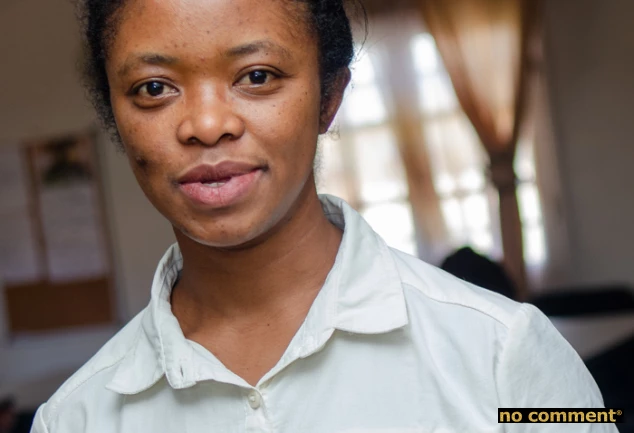
Julia Razafimanahaka, a Malagasy conservationist, has been recognized as a leader in biodiversity conservation in Africa, winning the prestigious Tusk Conservation Awards for 2021. She is the second Malagasy to receive this award, following Herizo Andrianandrasana in 2014. Razafimanahaka's work focuses on creating protected areas and promoting sustainable conservation practices in Madagascar. Her organization, Madagasikara Voakajy, has been instrumental in establishing seven new protected areas in the Alaotra-Mangoro region.
Razafimanahaka's passion for environmental conservation stems from her background as an agronomist specializing in water and forests. In 2003, she joined the Lamin'Asa Fiarovana Ramanavy team, now known as Madagasikara Voakajy, to conduct research on Madagascar's bats. This experience sparked her interest in conservation and led her to evolve within the organization, taking on various roles, including student, assistant, leader, manager, and eventually, Executive Director.
Madagasikara Voakajy, under Razafimanahaka's leadership, aims to save endemic species in Madagascar from extinction. The organization promotes conservation and sustainable use of these species in their natural habitats, addressing key threats through applied research and targeted actions. Their work benefits both humans and the environment, with interventions in six regions: Diana, Sava, Sofia, Alaotra-Mangoro, Menabe, and Amoron'i Mania.
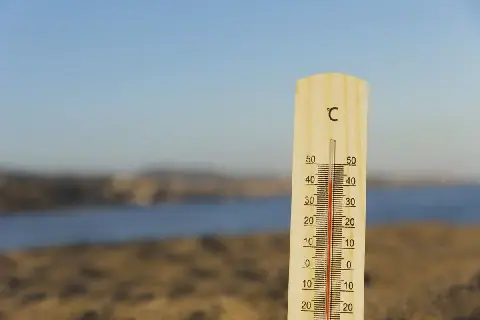
Madagascar faces significant threats to its biodiversity, including rising temperatures, dwindling water resources, and air pollution. These challenges are exacerbated by forest fires, irrational exploitation of resources, excessive waste, and poverty. Razafimanahaka emphasizes the need for collective action to reverse this degradation spiral, stressing that conservation must be at the center of all political, economic, and social decisions in Madagascar.
Razafimanahaka's approach to conservation involves creating and managing protected areas with local communities, as well as training young people and engaging all stakeholders, including government and private sector actors. She believes that the natural world holds the key to Madagascar's uniqueness and that it can be a source of salvation. Her organization has made significant strides in promoting sustainable conservation practices and protecting the country's rich biodiversity.
The Tusk Conservation Awards recognize emerging leaders in African conservation, and Razafimanahaka's win is a testament to her dedication and success in this field. The award is by nomination, highlighting the recognition and support of her peers and collaborators. Razafimanahaka's achievement serves as an inspiration to others working in conservation, demonstrating the impact that individual leadership and collective action can have on protecting the environment.
As Madagascar continues to face environmental challenges, Razafimanahaka's work and that of Madagasikara Voakajy remain crucial in promoting sustainable conservation practices and protecting the country's unique biodiversity. Her recognition as a Tusk Conservation Award winner shines a spotlight on the importance of conservation efforts in Madagascar and the need for continued support and engagement from all stakeholders.
Key points
- Julia Razafimanahaka wins Tusk Conservation Awards for her efforts in creating protected areas and promoting biodiversity conservation in Madagascar.
- Madagasikara Voakajy, under Razafimanahaka's leadership, has established seven new protected areas in the Alaotra-Mangoro region.
- Razafimanahaka emphasizes the need for collective action and engagement from all stakeholders to address the environmental challenges facing Madagascar.