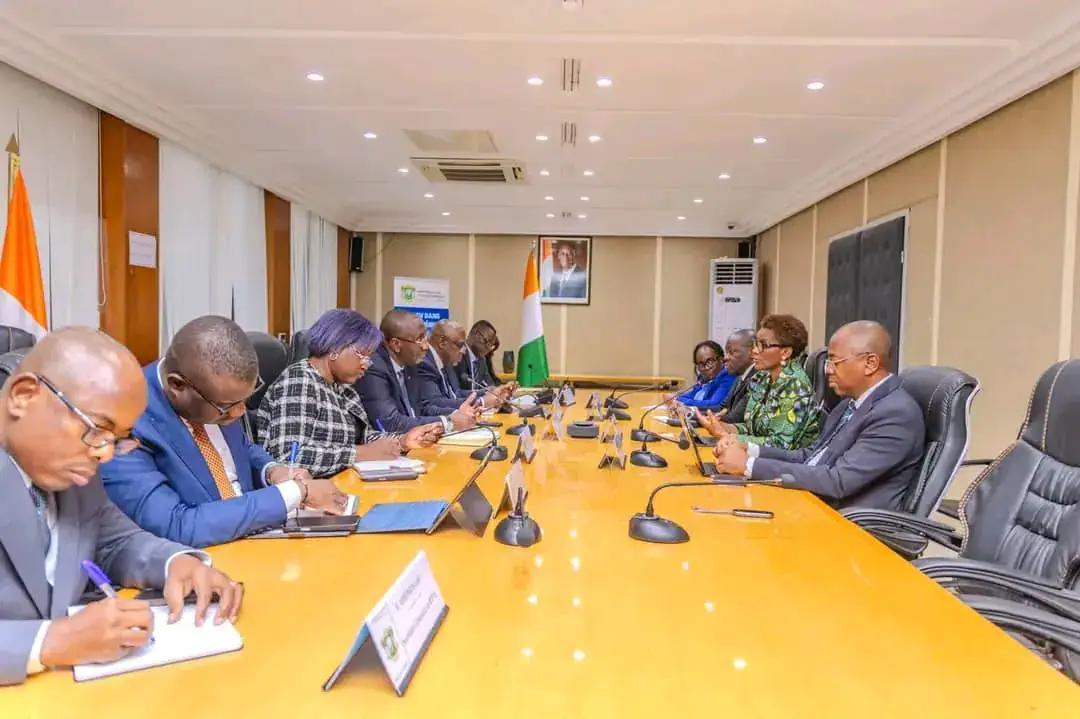
On November 4-5, Gabon's Minister of Planning and Prospective, Louise Pierrette Mvono, attended the African Demographic Dialogue in Abidjan, Côte d'Ivoire, where she emphasized the need to integrate demographic challenges into development policies. The dialogue, themed "Leveraging Demographic Changes for Prosperity, Resilience, and Inclusion," focused on the continent's demographic shifts and their economic and social implications. Minister Mvono highlighted that demographic changes should be a driver of economic transformation, not just a statistical data point.
Minister Mvono stressed that development policies must account for demographic realities to effectively address population and territorial needs. She cited the 2026 General Population and Housing Census (RGPL) and the 2026-2030 National Growth and Development Plan (PNCD) as complementary tools. The RGPL aims to identify population and territorial needs, guiding public policies and investments, while the PNCD focuses on supporting productive activities and stimulating job creation.
The minister noted that economic performance should be evaluated based on its impact on employment and living conditions. By participating in the dialogue, Gabon demonstrated its commitment to harnessing its demographic potential for inclusive growth, particularly through human capital development. This approach aligns with the country's goal of creating a more sustainable and equitable development trajectory.
The African Demographic Dialogue brought together experts and policymakers to discuss demographic trends and their implications for African countries. The event provided a platform for countries to share experiences and best practices in addressing demographic challenges. Minister Mvono's participation underscored Gabon's dedication to addressing these challenges and leveraging demographic changes for sustainable development.
The integration of demographic data into development policies is crucial for ensuring that public programs and investments effectively address population needs. By incorporating demographic insights, policymakers can design more targeted and effective interventions, ultimately improving living standards and promoting sustainable growth.
Gabon's efforts to mainstream demographic considerations into its development agenda reflect a broader recognition of the importance of demographic factors in shaping the country's future. The government's commitment to this approach is expected to yield positive outcomes, including more effective public policies and improved economic performance.
The African Demographic Dialogue concluded with a renewed emphasis on the need for countries to prioritize demographic integration in their development strategies. As countries continue to navigate the complexities of demographic change, events like this dialogue will remain essential for fostering collaboration and knowledge-sharing among policymakers and experts.
Key points
- Minister Louise Pierrette Mvono advocates for integrating demographic challenges into development policies to drive economic transformation and improve living conditions.