The 20th Francophonie summit, held in Cambodia from November 14 to 16, 2026, has ended without a decision on the succession of Louise Mushikiwabo as secretary-general. The summit, which brought together leaders from Francophone countries, was expected to designate a new leader but ultimately decided to postpone the election by 12 months. This decision allows Mushikiwabo, who has been in office since 2014, to continue leading the organization until 2027.
The Democratic Republic of Congo played a significant role in the negotiations, with the government of President Félix Tshisekedi pushing for a change in leadership. Kinshasa opposed Mushikiwabo's bid for a third mandate, citing the need for rotation and inclusiveness within the organization. To facilitate a compromise, the Congolese government agreed to withdraw its candidate, Juliana Lumumba, daughter of national hero Patrice Lumumba.
The Burundian government also expressed its opposition to Mushikiwabo's third mandate, aligning itself with the Congolese position. Burundian Foreign Minister Édouard Bizimana criticized the idea of imposing candidates on member states, stating that it would undermine the organization's credibility. This stance sparked a reaction from the Rwandan government, which accused Burundi of institutionalized incompetence.
The French government faced criticism from Rwanda for its involvement in the diplomatic discussions. However, the Congolese government defended France's role, emphasizing the importance of consensus among member states. According to Congolese Foreign Minister Thérèse Kayikwamba Wagner, the agreement reached allows for a smooth transition and preserves the unity of the Francophonie.
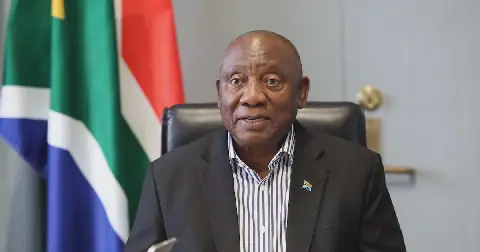
The African Union has called on its member states to present a united front in the election of the next secretary-general. Union African Commission President Mahmoud Ali Youssouf emphasized the need for African countries to avoid dispersing their votes and instead work towards a common victory. This appeal comes as the competition for the top position is between African and non-African candidates.
The postponement of the election has been hailed as a diplomatic victory by the Congolese government. According to government spokesperson Patrick Muyaya, the agreement ensures that Mushikiwabo will not be able to run for a third mandate, and the organization's leadership will be reviewed in 2027. This development is seen as a significant step towards ensuring greater inclusiveness and rotation within the Francophonie.
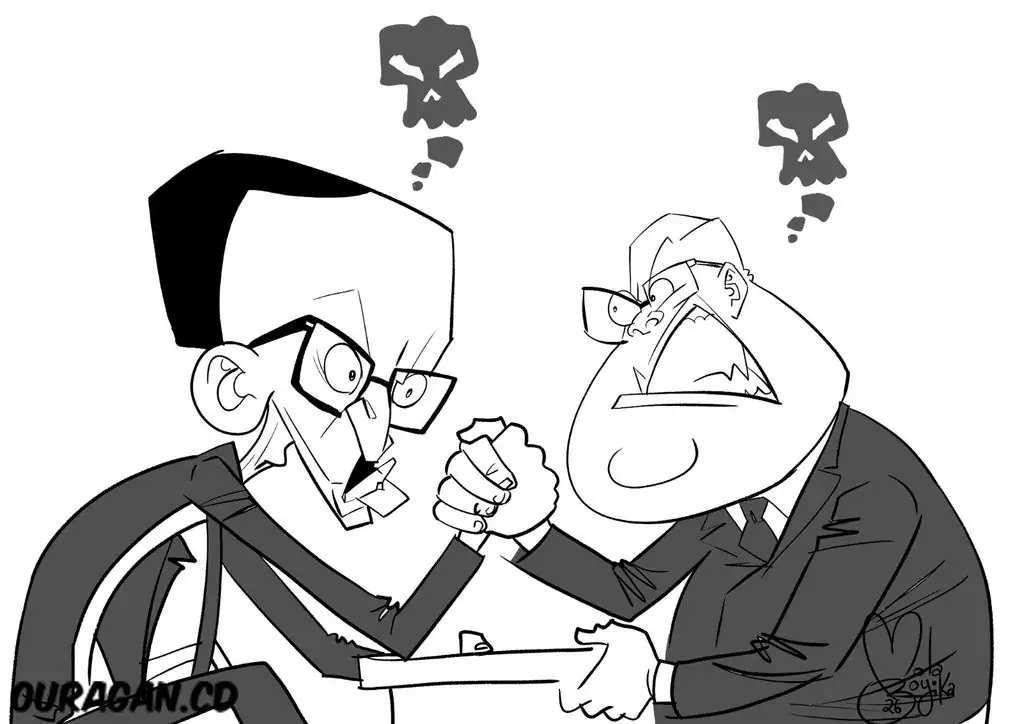
The Francophonie summit has highlighted the complex relationships between member states, particularly between the Democratic Republic of Congo and Rwanda. The two countries have a history of tensions, and their rivalry played out during the summit. The postponement of the leadership election has provided a temporary reprieve, but the issue is expected to resurface in 2027.
Key points
- The Francophonie summit has postponed the election of a new secretary-general until 2027, with Louise Mushikiwabo remaining in office in the meantime.
- The Democratic Republic of Congo played a key role in negotiations, pushing for a change in leadership and opposing Mushikiwabo's third mandate.
- The African Union has called on its member states to present a united front in the election of the next secretary-general to ensure a common victory.
Reporting sources
- OIF : le processus de succession grippé · Ouragan.cd