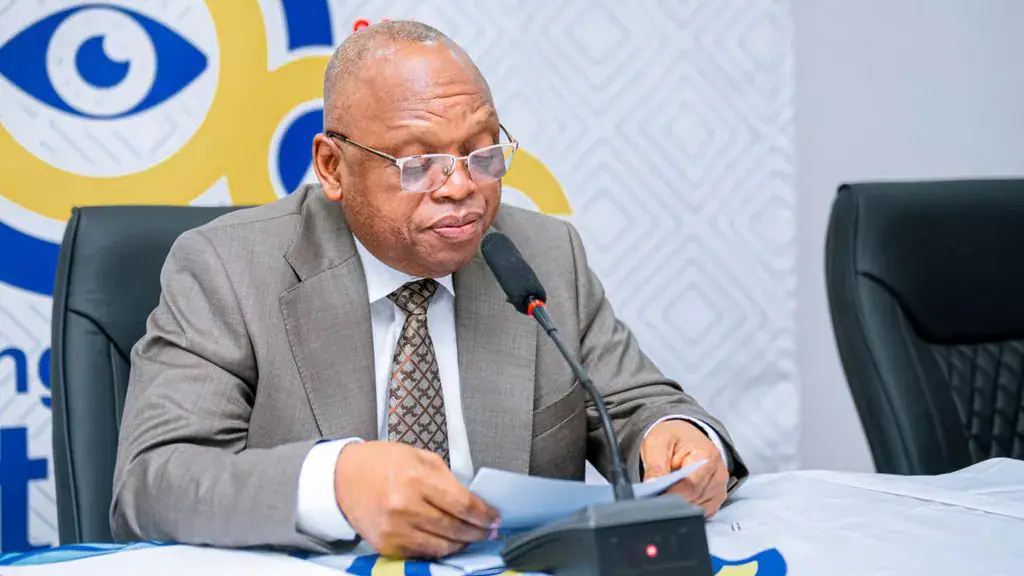
The Office congolais de contrôle (OCC) is charting a course for 2027 with a budget focused on modernization and self-financing. On October 29, 2026, in Kinshasa, Director General Pierre Loholola Osomba launched the consolidation of budget forecasts, marking the beginning of financial planning for the next year. The goal is to balance the institution's operational needs with its development and performance ambitions. This initiative aims to create a financial trajectory that aligns with the OCC's strategic objectives.
At the heart of the OCC's projections are plans to strengthen technical and logistical capacities, modernize existing laboratories, and construct new infrastructure. The establishment of new entities is also on the agenda. These investments will enable the OCC to enhance its control, inspection, analysis, and certification capabilities, which are crucial for ensuring the quality of products and services in the Congolese market. By upgrading its facilities and equipment, the OCC seeks to improve its service delivery and effectiveness.
Digital transformation is another key aspect of the OCC's budget preparations. Pierre Loholola is pushing for the digitalization of operational procedures, administration, and financial management, with the aim of achieving a "zero paper" policy. This strategic orientation emphasizes standardization, quality management, and accreditation in strategic areas, particularly in laboratories, to boost the OCC's technical performance. By leveraging technology, the OCC aims to streamline its processes and increase efficiency.
To implement these projects, the OCC's leadership intends to prioritize financial discipline and prudent budget management. Various sub-committees have been tasked with reviewing actual operational needs, entity action programs, and the execution rate of the 2026 budget by the end of September. The objective is to optimize resource allocation, identify areas for cost savings, and free up financial resources for priority investments. This approach will enable the OCC to make the most of its available resources.
Rationalizing non-essential expenditures and controlling operating costs will be crucial in this process. The OCC also aims to improve its cash management, reduce debt, and secure financing for investments. Self-financing will play a central role in the OCC's strategy for 2027. Projects that were postponed in 2026 will be reassessed for possible inclusion in the 2027 budget, ensuring that important initiatives are not overlooked.
According to Pierre Loholola, the budget preparation process must result in realistic and coherent forecasts that align with the OCC's financial capacities while supporting its recovery and modernization. The budget will serve as a compass for guiding resource allocation toward strategic priorities. The OCC faces challenges in modernizing its infrastructure, enhancing its technical capacities, and improving equipment to effectively carry out its control, inspection, analysis, and certification missions.
Ultimately, the OCC's success will depend on its ability to translate its budget into concrete investments and use its financial choices to drive growth while maintaining rigorous financial management. This approach will help strengthen the OCC's financial autonomy over time. By focusing on modernization and self-financing, the OCC is taking steps toward a more sustainable and effective future.
Key points
- The OCC aims to make its 2027 budget a tool for modernization and financial autonomy.
- The OCC plans to strengthen its technical and logistical capacities, modernize laboratories, and construct new infrastructure.
- Digital transformation and self-financing are key components of the OCC's strategy for 2027.