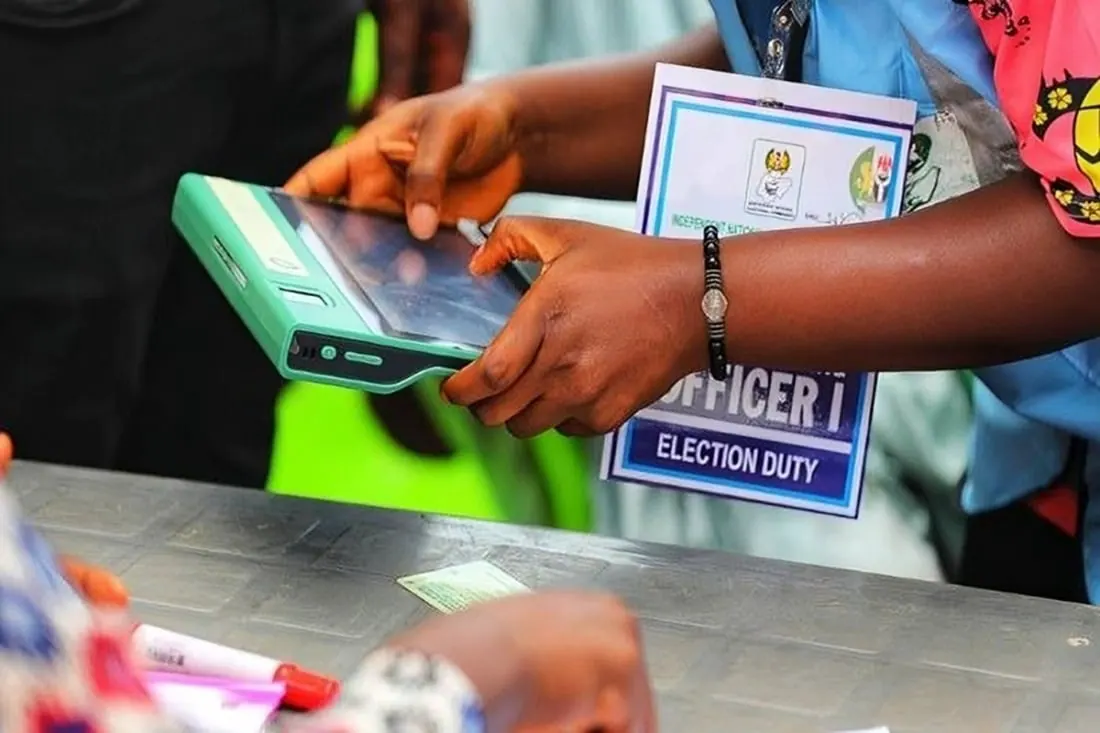
The Obidient Movement has expressed concerns over the Independent National Electoral Commission's (INEC) proposed deployment of Artificial Intelligence (AI) in the 2027 general elections. In a statement, the group alleged that INEC has failed to address fundamental concerns surrounding transparency and result transmission. They argued that technology is not the fundamental problem with Nigeria's elections, but rather the credibility, independence, and accountability of institutions responsible for conducting them.
The Obidient Movement questioned how the proposed AI system would operate, the problems it was intended to address, and the safeguards that would be put in place to prevent abuse. They cited a recent investigation by Mundx Analytics, claiming that presidential results from more than 50,000 polling units in the 2023 election were uploaded from mobile phones. The movement alleged that individuals working with INEC were involved in manipulating the electoral process.
The group raised concerns about INEC's ICT leadership ahead of the 2027 elections, specifically mentioning Lawrence Bayode, the Commission's ICT Director. They alleged that Bayode and other officials were involved in the alleged manipulation of the 2023 election and questioned why the same officials remained responsible for critical electoral systems ahead of the next general elections.
The Obidient Movement accused INEC of attempting to shift attention from unresolved concerns about the 2023 elections by introducing AI into the electoral process. They issued a series of demands to INEC, including the publication of a comprehensive 2027 election plan detailing the technologies, procedures, and safeguards to be deployed.
The group called for an independent audit of INEC's electoral technology, with the findings and corrective measures made public. They demanded transparent and verifiable transmission of election results, saying every vote recorded at polling units should be accurately reflected in the final results.
The Obidient Movement also asked INEC to provide detailed explanations of its proposed use of AI and subject the technology to independent testing and public scrutiny. They called for measures to guarantee the independence of the Commission's ICT leadership, including the removal of officials whose alleged partisan activities could undermine public confidence in the electoral process.
The group warned that any attempt to manipulate the 2027 elections could trigger widespread public outrage and an electoral crisis. They urged INEC Chairman, Professor Joash Ojo Amupitan, to review the Commission's approach and take steps to strengthen public confidence in the electoral process before the 2027 elections.
Key points
- The Obidient Movement rejects INEC's proposed use of AI in the 2027 elections due to concerns over transparency and credibility.
- The group demands an independent audit of INEC's electoral technology and transparent transmission of election results.
- The movement warns of potential electoral crisis if INEC fails to address concerns over the 2027 elections.