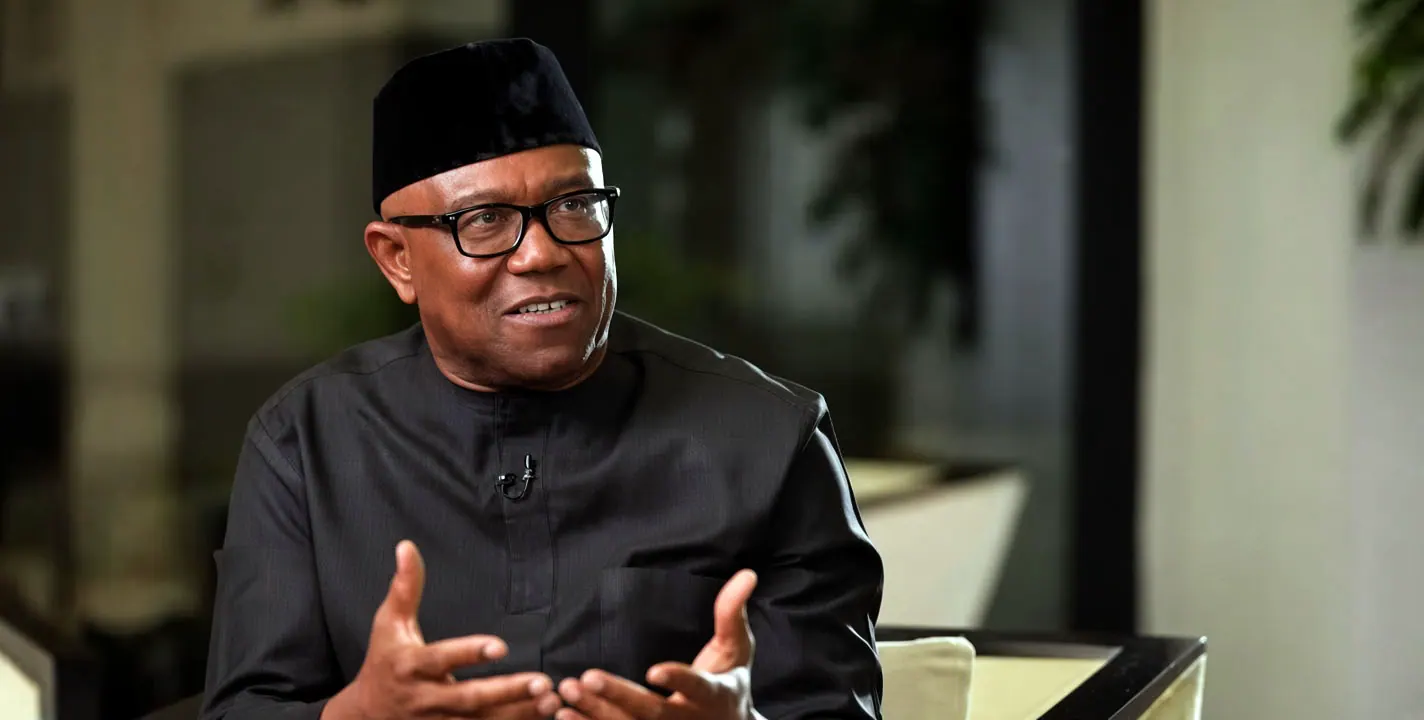
Peter Obi, the presidential candidate of the Nigeria Democratic Congress (NDC), has explained the controversy over Anambra State's debt profile, stating that he did not borrow money or issue bonds on behalf of the state during his tenure as governor. Obi made this clarification in a statement on Friday, 26 September 2026. He emphasized that the $123.77 million being described as loans left by his administration was a combination of different development financing figures.
Obi challenged the Anambra State Government to distinguish between funds approved for development programmes, amounts actually drawn, and balances outstanding when he left office on 17 March 2014. He cited the former Director-General of the Debt Management Office (DMO), Abraham Nwankwo, who declared that Obi was the only state governor who had not approached the DMO for a loan facility during Nwankwo's 10 years in office.
The former governor said he left office without outstanding salaries, gratuities, or pensions, and that the state did not owe contractors or suppliers whose completed works had been verified and certified by the government. He explained that the World Bank and International Fund for Agricultural Development (IFAD) facilities were concessionary development-support funds secured by the Federal Government for participating states, with repayment spread over 25 to 30 years.
Obi said the various figures could not simply be aggregated and described as loans personally secured by him. He stated that the Anambra State Government must differentiate among three separate figures: the total amount approved for the multiyear development programme, the amount Anambra State actually drew during his tenure, and the funding balance outstanding when he handed over.
The eight facilities cited by the state government were primarily World Bank and IFAD development programmes negotiated by the Federal Government and accessed by participating states through subsidiary arrangements. Obi said these were not conventional commercial loans that he personally secured during his tenure. However, he acknowledged that the facilities carried repayment obligations.
Obi questioned the figures attributed to the Anambra government, citing DMO records that showed the state's external debt stood at about $18 million when he assumed office in March 2006, about $30 million when he left in March 2014, and about $45.15 million by December 2014. He asked the Anambra State Government to clarify how a state with such recorded external debt could supposedly have inherited $123.77 million from him.
The former governor also disclosed that he left more than $150 million as the dollar component of investments in Anambra, which could have generated about $10 million annually for the state. He stated that if the funds had remained untouched, including compound interest and additional income, they would be worth about $335 million today. Obi also expressed that he is not interested in returning to the governorship, even if the Constitution was amended to permit him to do so.
Key points
- Peter Obi did not borrow money or issue bonds on behalf of Anambra State during his tenure as governor.
- The $123.77 million debt controversy involves concessionary development-support funds secured by the Federal Government.
- Obi left more than $150 million as investments in Anambra, which could have generated significant annual revenue for the state.