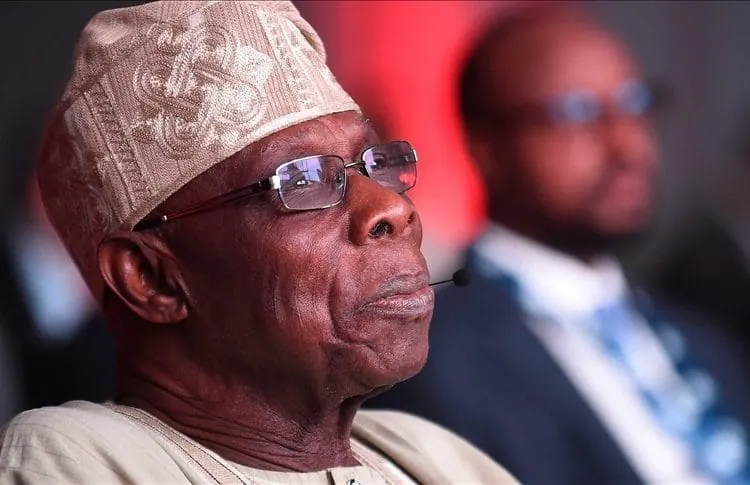
A letter allegedly written by former Nigerian President Olusegun Obasanjo has been making the rounds on social media, sparking a national conversation about leadership, legacy, and the state of the country. The letter, which Obasanjo's media aide has dismissed as "fake and mischievous," speaks to the human experience, touching on themes of mortality, regret, and the importance of living in the present. Despite the controversy surrounding its authenticity, the letter's message resonates with a nation grappling with the challenges of leadership failure and poverty. With Nigeria's poverty rate standing at 63%, the letter's words strike a chord with many who are struggling to make ends meet.
The letter's themes are reminiscent of Friedrich Nietzsche's philosophical ideas, particularly his concept of the Übermensch, or the Overman. The idea of creating one's own values and living life to the fullest is reflected in the letter's call to stop living in the waiting room and to embrace the present moment. This message is particularly relevant in the context of Nigerian politics, where leaders are often criticized for prioritizing accumulation over achievement. As the letter notes, "Kudi ba abinci ba ne" or "money is not food," highlighting the need for leaders to focus on creating value rather than just accumulating wealth.
Obasanjo himself has spoken about the importance of leadership in Nigeria's development. In a 2026 letter to former Ogun Governor Olusegun Osoba, he rejected allegations of deception and revealed that his then-Vice President, Atiku Abubakar, had allegedly masterminded an impeachment plot against him. This episode highlights Obasanjo's reputation as a combative and unrepentant leader who has spent two decades defending his legacy. However, it also underscores the complexities of Nigerian politics, where leaders often prioritize personal interests over the needs of the people.
Despite his controversies, Obasanjo has also spoken about the need for transformational leadership in Africa. In his 89th birthday lecture, titled "The Burden and Blessing of Leadership," he declared that Africa is not a problem to be managed but a promise to be fulfilled through honest, courageous, selfless, incorruptible, and transformational leadership. He identified leadership failure as the primary cause of Africa's suffering, citing the failure of those entrusted with power to lead for the people and serve them rather than against them. This message is particularly relevant in the context of Nigeria's current challenges, where leaders are often criticized for prioritizing personal interests over the needs of the people.
The Catholic Bishops have also weighed in on the need for leadership change in Nigeria. In September 2026, they warned that Nigerians' patience with hardship should not be mistaken for acceptance. The Senate President has also acknowledged that so long as a single Nigerian languishes in captivity, a part of Nigeria is itself captive. These statements highlight the growing concern about the state of the nation and the need for leaders to prioritize the needs of the people.
As Nigeria marks 66 years of independence, the letter's message speaks to a nation that has been living in the waiting room for far too long. The country is waiting for independence to mean something, waiting for oil to become wealth, and waiting for democracy to deliver. The letter's call to tear down the walls around one's heart and to stop living in the waiting room resonates with many who are eager for change. However, it remains to be seen whether Nigeria's leaders will heed this call and prioritize the needs of the people.
Obasanjo's legacy continues to be felt in Nigerian politics. As he approaches his 90th birthday, he remains a significant figure in the country's political landscape. His media aide may have dismissed the letter as fake, but the former president himself has declared that he is not dying soon. Whatever the authenticity of the letter, Obasanjo's message is clear: Nigeria needs transformational leadership, and its leaders must prioritize the needs of the people.
Key points
- Obasanjo's letter, whether authentic or not, highlights the need for transformational leadership in Nigeria.
- The country's poverty rate stands at 63%, and leaders must prioritize the needs of the people.
- Obasanjo's legacy continues to be felt in Nigerian politics, and his message of leadership change remains relevant.