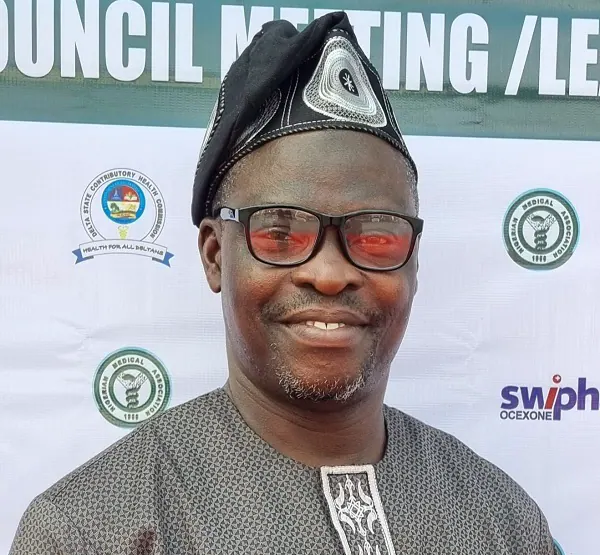
Professor Fatiu Arogundade, a renowned Professor of Medicine and Nephrology at Obafemi Awolowo University (OAU), Ile-Ife, Osun State, has advocated for the expansion of kidney care services to rural communities across Nigeria. He made this call during the institution's 430th Inaugural Lecture, where he also urged the government to subsidize renal care to improve access to treatment for patients in rural areas. Arogundade noted that the concentration of renal care centers in urban areas limits access to life-saving services for patients in rural communities.
Arogundade, who is also the Vice-Chancellor of the Federal University of Medicine and Medical Sciences, Abeokuta, Ogun State, identified infrastructure gaps, shortage of healthcare workers, brain drain, training deficiencies, bureaucracy, and poor maintenance as some of the challenges affecting kidney care in the country. He emphasized that kidney disease has become increasingly common in Nigeria, placing a significant burden on the country's resources, reducing life expectancy, and worsening health outcomes among affected patients.
The high cost of renal replacement therapy, particularly dialysis, remains a major barrier to treatment for many Nigerians living with kidney disease. Arogundade urged the government to subsidize renal care to improve access to treatment, enabling more patients to access treatment, survive kidney-related illnesses, and remain productive members of society. He believes that government intervention would improve life expectancy and allow more people to contribute to the economy.
Arogundade recommended that the government support pre-dialysis and dialysis centers, investing in renal replacement therapy to reduce the burden of kidney disease and improve access to treatment. He also called for the development and local manufacture of equipment and consumables required for dialysis, which could reduce dependence on imported materials and make renal care more affordable and accessible.
The nephrologist stressed that prevention should receive equal attention to treatment, noting that early detection through regular screening remains critical to preventing the progression of kidney disease to end-stage renal disease. He called for a policy to ensure kidney evaluation and screening of children at the pre-admission level, allowing for early identification of abnormalities and intervention before the condition becomes advanced.
Arogundade further urged the government to integrate kidney disease screening and care into Primary Health Care (PHC) programs, ensuring that detection and management are not confined to specialist hospitals in urban centers. He also called for more renal care facilities in rural areas, where many patients must travel long distances to urban centers for treatment. Improved road infrastructure and transport would complement the expansion of healthcare facilities, making it easier for patients in underserved communities to reach hospitals.
Arogundade concluded that expanding kidney care services to rural areas and implementing a subsidy on renal care would significantly improve access to treatment and health outcomes for patients with kidney disease. The government can make a positive impact on the lives of many Nigerians by investing in renal care and prioritizing prevention and early detection.
Key points
- Professor Fatiu Arogundade calls for government subsidy on renal care to improve access to treatment.
- Arogundade advocates for policy to ensure kidney evaluation and screening of children at pre-admission levels.
- The government is urged to integrate kidney disease screening and care into Primary Health Care (PHC) programs.