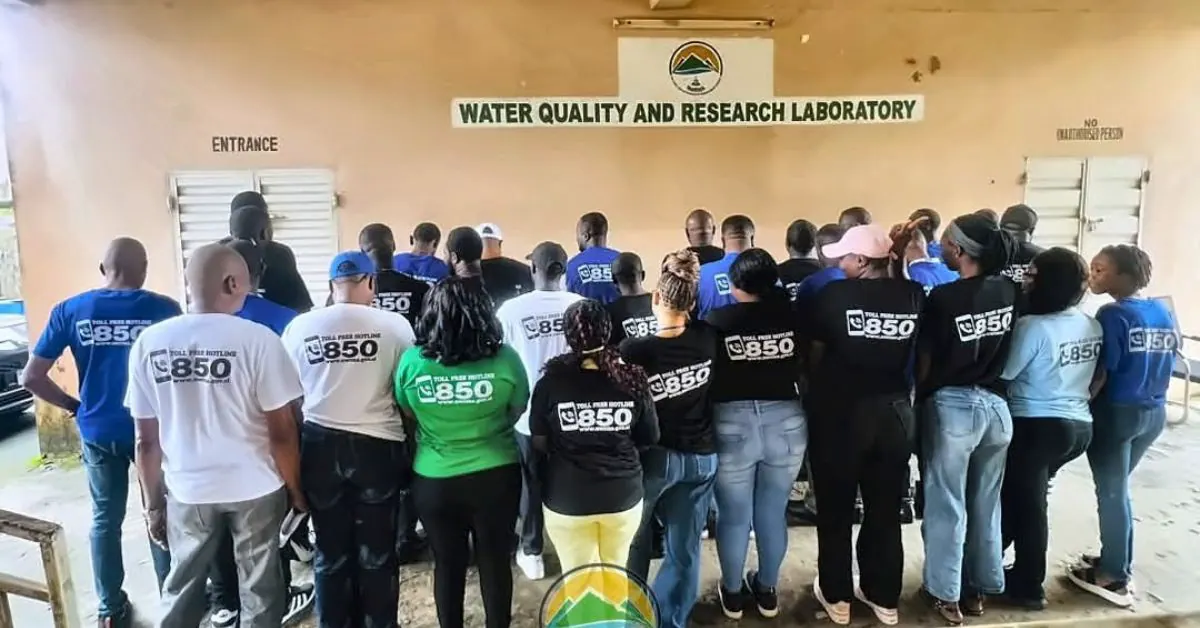
The National Water Resources Management Agency (NWRMA) of Sierra Leone has introduced a toll-free helpline, 850, to enhance public engagement and make water-related information more accessible. This initiative aims to provide a cost-free communication channel for citizens, commercial water users, and local communities across the country. The helpline is available to all Africell subscribers, offering a direct channel for public enquiries, regulatory guidance, and reporting water-related concerns.
Through the 850 helpline, members of the public can access information on various water-related topics, including water-use registration procedures, guidance on securing and renewing Water Use Permits, and clarification on regulatory fees and compliance standards. Additionally, they can report illegal water abstractions, pollution, and other environmental concerns. This direct communication channel is intended to simplify access to information on water regulation and encourage voluntary compliance among commercial enterprises, local suppliers, and community users.
The NWRMA's toll-free line is expected to support efforts to safeguard Sierra Leone's river basins, aquifers, and wetlands by enabling communities to report potential threats to the country's water resources. By providing a convenient and cost-free way for the public to engage with the agency, the helpline aims to improve regulatory compliance and promote sustainable water management practices. Members of the public can use the service by dialling 850 from any Africell mobile line.
The launch of the toll-free helpline is part of the NWRMA's efforts to enhance public engagement and strengthen regulatory compliance. By making water-related information more accessible, the agency aims to promote a better understanding of water regulation and encourage responsible water use practices. The helpline is a significant step towards improving the management of Sierra Leone's water resources and addressing the needs of the public.
The NWRMA's initiative has been well-received by the public, with many stakeholders welcoming the introduction of the toll-free helpline. The agency's efforts to provide a direct communication channel for the public are seen as a positive step towards promoting transparency and accountability in the management of Sierra Leone's water resources. The helpline is expected to play a crucial role in addressing water-related concerns and promoting sustainable water management practices.
The launch of the toll-free helpline is also seen as a significant step towards achieving the goals of the NWRMA, which include protecting and managing Sierra Leone's water resources for sustainable development. By providing a convenient and cost-free way for the public to engage with the agency, the helpline aims to promote a better understanding of water regulation and encourage responsible water use practices. The NWRMA's efforts are expected to have a positive impact on the management of Sierra Leone's water resources.
The toll-free helpline, 850, is a significant innovation in the management of Sierra Leone's water resources, providing a direct communication channel for the public and promoting sustainable water management practices. The NWRMA's initiative is expected to have a positive impact on the lives of citizens, commercial water users, and local communities across the country. The agency's efforts to provide a cost-free communication channel for the public are seen as a positive step towards promoting transparency and accountability in the management of Sierra Leone's water resources.
Key points
- The National Water Resources Management Agency (NWRMA) of Sierra Leone has launched a toll-free helpline, 850, to enhance public engagement and make water-related information more accessible.
- The helpline provides a direct channel for public enquiries, regulatory guidance, and reporting water-related concerns, and is available to all Africell subscribers.
- The initiative aims to promote sustainable water management practices, improve regulatory compliance, and safeguard Sierra Leone's river basins, aquifers, and wetlands.