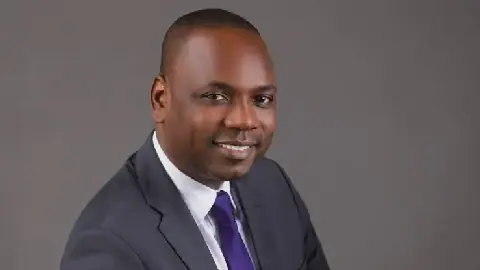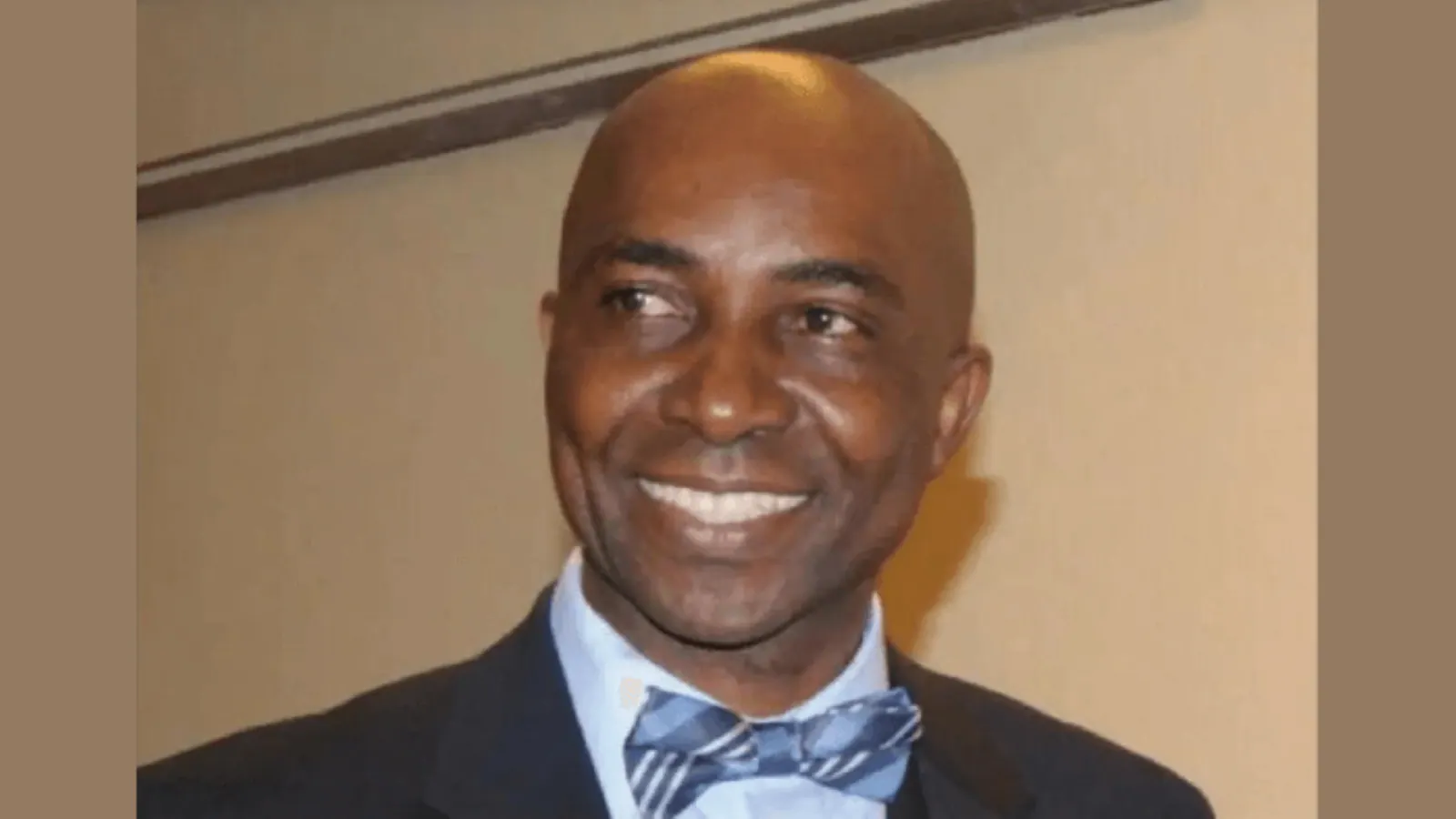
Dr. John Nwabueze, the Tax Ombud and Chief Executive of the Office of the Tax Ombud, has urged financial journalists to play a crucial role in promoting tax literacy in Nigeria. Speaking at the 36th Anniversary Conference of the Finance Correspondents Association of Nigeria (FICAN) in Lagos, Nwabueze emphasized the need for journalists to help bridge the gap between policy institutions and the public. He stressed that financial journalists should translate the government's fiscal policies and positions into information that businesses, households, investors, and policymakers can understand.
Nwabueze made the call while speaking on the theme, 'Building Taxpayer Confidence and Trust in Nigeria's Tax Reform Agenda'. He identified five key areas where financial journalists could contribute significantly to the tax reform process. These areas include explaining tax laws and their practical implications, examining implementation rather than merely reporting announcements, distinguishing lawful tax planning from tax evasion, investigating administrative fairness, and promoting financial and tax literacy.
According to Nwabueze, financial journalists should go beyond reporting government announcements to examine how tax policies are implemented and their practical implications for taxpayers. He emphasized that the media's role is not to endorse every government policy or oppose every reform, but to inform the public, ask difficult questions, verify claims, and hold institutions accountable. A trusted financial press, he said, strengthens the quality of public discourse.
Nwabueze commended President Bola Ahmed Tinubu for his leadership and commitment to reforming Nigeria's tax and revenue administration framework towards greater fairness, inclusiveness, and sustainability. He noted that the comprehensive tax and revenue reforms had led to the establishment of the Office of the Tax Ombud to promote confidence in the tax system. The office, he said, is committed to contributing to a broader understanding of the objectives and outcomes of the tax reform agenda.
The Tax Ombud also stressed the need for journalists to help the public understand the connection between revenue generation, public expenditure, service delivery, and economic development. He noted that the public should not only focus on the amount of revenue collected by the government. By doing so, financial journalists can help build taxpayer confidence and trust in Nigeria's tax reform agenda.
Nwabueze said the ongoing tax reforms, led by the Minister of Finance and Coordinating Minister of the Economy, Taiwo Oyedele, are addressing the problem of multiple taxation and the cumulative burden of taxes, levies, fees, and charges on businesses. He emphasized that the objective is to strengthen lawful administration and encourage responsible engagement between taxpayers and revenue authorities.
The Office of the Tax Ombud, under Nwabueze's leadership, aims to build institutions that taxpayers can approach with confidence and revenue authorities can engage with constructively. With the support of financial journalists, Nwabueze is optimistic that Nigeria can achieve a more efficient and effective tax system that promotes economic growth and development.
Key points
- Dr. John Nwabueze calls on financial journalists to promote tax literacy in Nigeria.
- Financial journalists can contribute to tax reform by explaining tax laws and their practical implications.
- The Office of the Tax Ombud aims to build taxpayer confidence and trust in Nigeria's tax reform agenda.